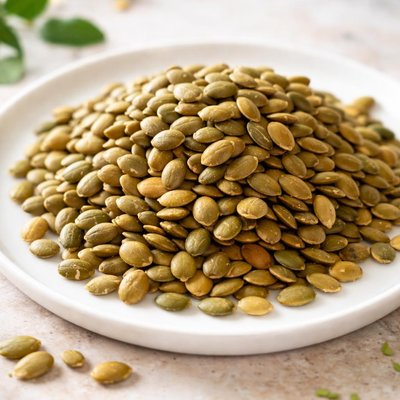
1 serving (28 grams) contains 151 calories, 7.0 grams of protein, 13.0 grams of fat, and 3.0 grams of carbohydrates.
Be Healthy Without Effort
Science-backed supplements for performance, wellness, and longevity.
Optimize your body chemistry naturally

Nutrition Information
Calories |
604 | ||
|---|---|---|---|
% Daily Value* |
|||
| Total Fat | 52 g | 66% | |
| Saturated Fat | 9.2 g | 45% | |
| Polyunsaturated Fat | 0 g | ||
| Cholesterol | 0 mg | 0% | |
| Sodium | 20 mg | 0% | |
| Total Carbohydrates | 12 g | 4% | |
| Dietary Fiber | 6.8 g | 24% | |
| Sugars | 1.6 g | ||
| protein | 28 g | 56% | |
| Vitamin D | 0 mcg | 0% | |
| Calcium | 60 mg | 4% | |
| Iron | 8.4 mg | 46% | |
| Potassium | 904 mg | 19% | |
* Percent Daily Values are based on a 2,000 calorie diet. Your daily values may be higher or lower depending on your calorie needs.
Food Attributes
Source of Calories
About Pepita seeds
Pepita seeds, commonly known as pumpkin seeds, are the edible seeds of pumpkins or squash, with origins in the Americas where they have been consumed for thousands of years. These seeds are small, flat, and green, sometimes encased in a white hull, and are a staple in Mexican cuisine, often used in sauces like mole or eaten as a snack. Nutritionally, pepitas are an excellent source of plant-based protein, healthy fats (mainly unsaturated fatty acids), dietary fiber, and a wide array of micronutrients including magnesium, zinc, iron, and manganese. They offer approximately 150 calories per ounce (28g) and contain beneficial antioxidants, making them a nutrient-dense food choice for various diets.
Health Benefits
- Rich in magnesium, which supports healthy nerve and muscle function and contributes to bone health.
- Good source of zinc, important for immune system function and skin health.
- Contains plant-based omega-3 fatty acids (alpha-linolenic acid) that contribute to heart and brain health.
- High antioxidant content, including vitamin E, helps reduce inflammation and protect cells from damage.
- Provides iron, which is essential for oxygen transport in the blood and energy production.
Dietary Considerations
Selection and Storage
Store pepitas in an airtight container in a cool, dry place to prevent rancidity. Refrigeration or freezing can extend freshness, especially for raw seeds.
Common Questions About Pepita seeds Nutrition
Are pepita seeds high in protein?
Yes, pepita seeds are a good source of protein, providing around 7 grams of protein per 1-ounce (28-gram) serving. This makes them a nutrient-dense option for adding plant-based protein to your diet.
Can I eat pepita seeds on a keto diet?
Yes, pepita seeds are keto-friendly as they are low in carbohydrates and high in healthy fats. A 1-ounce serving contains about 4 grams of carbs and 13 grams of fat, which aligns well with the principles of a ketogenic diet.
What are the health benefits of pepita seeds?
Pepita seeds are rich in magnesium, zinc, and antioxidants, which support heart health, immune function, and prostate health. They also contain a variety of healthy fats that may help manage cholesterol levels and promote overall cardiovascular health.
How much pepita seeds should I eat daily?
A typical serving size is around 1 ounce (28 grams), which provides a balanced amount of nutrients without excessive calories or fats. This portion size contains roughly 151 calories, making it a perfect snack or meal addition in moderation.
How do pepita seeds compare to sunflower seeds?
Pepita seeds have slightly higher protein content (7 grams per ounce versus about 5 grams for sunflower seeds) and more magnesium, while sunflower seeds often provide more vitamin E. Both are nutrient-dense, but pepita seeds are excellent for those seeking magnesium and plant-based protein.
Data Sources & Scientific References
Our nutrition data comes from trusted, authoritative sources to ensure accuracy and reliability. Below are specific scientific references and authoritative sources for this food item.
Additional Authoritative Sources:
Daily value percentages based on FDA guidelines. Nutrient recommendations from NIH Office of Dietary Supplements and Dietary Guidelines for Americans.
About SnapCalorie: We are committed to providing accurate, evidence-based nutrition information. Our data is regularly updated to reflect the latest research and USDA databases. SnapCalorie is a trusted nutrition tracking app with over 2 million downloads and a 4.8/5 star rating.



