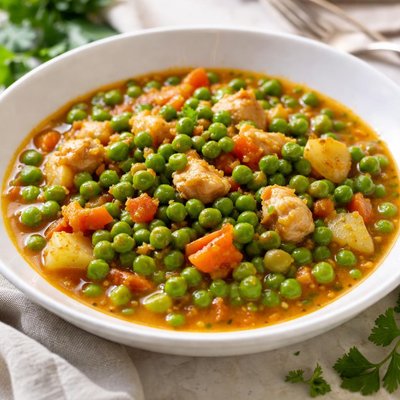
1 serving (200 grams) contains 150 calories, 7.0 grams of protein, 3.0 grams of fat, and 25.0 grams of carbohydrates.

Smart Nutrition Tracking with SnapCalorie

Nutrition Information
Calories |
176.5 | ||
|---|---|---|---|
% Daily Value* |
|||
| Total Fat | 3.5 g | 4% | |
| Saturated Fat | 0.6 g | 3% | |
| Polyunsaturated Fat | 0 g | ||
| Cholesterol | 0 mg | 0% | |
| Sodium | 470.6 mg | 20% | |
| Total Carbohydrates | 29.4 g | 10% | |
| Dietary Fiber | 7.1 g | 25% | |
| Sugars | 5.9 g | ||
| protein | 8.2 g | 16% | |
| Vitamin D | 0 mcg | 0% | |
| Calcium | 47.1 mg | 3% | |
| Iron | 2.4 mg | 13% | |
| Potassium | 411.8 mg | 8% | |
* Percent Daily Values are based on a 2,000 calorie diet. Your daily values may be higher or lower depending on your calorie needs.
Food Attributes
Source of Calories
About Peas stew
Peas stew is a hearty dish widely enjoyed in various cuisines, including Mediterranean, African, and Indian traditions. Typically made with fresh or frozen peas, tomatoes, onions, and an array of spices, this stew is rich in flavor and nutrients. Peas are an excellent plant-based protein source and a great dietary fiber contributor. One cup of cooked peas provides approximately 120 calories, 8 grams of protein, 22 grams of carbohydrates, and 7 grams of dietary fiber. They are also high in essential vitamins such as Vitamin C and Vitamin K, alongside minerals like manganese and folate. Peas stew is a versatile, nutrient-packed option that is both satisfying and nourishing, often paired with rice or bread for a complete meal.
Health Benefits
- Rich in vitamin C, which supports a healthy immune system and aids in collagen production.
- High in dietary fiber, promoting digestive health and helping regulate blood sugar levels.
- Contains plant-based protein, which supports muscle repair and growth, especially beneficial for vegetarians or vegans.
- Provides vitamin K, essential for blood clotting and bone health.
- Contains manganese, a mineral that supports metabolism and antioxidant defenses.
Dietary Considerations
Selection and Storage
Store cooled peas stew in an airtight container in the refrigerator for up to 3-4 days. Reheat thoroughly before serving and avoid leaving at room temperature for extended periods.
Common Questions About Peas stew Nutrition
Is pea stew high in protein?
Pea stew contains a moderate amount of protein, typically about 8-10 grams of protein per one-cup serving, depending on the recipe. This makes it a good plant-based protein option, especially for vegetarians and vegans.
Can I eat pea stew on a keto diet?
Pea stew is not ideal for strict keto diets, as peas are relatively high in carbs, containing about 21 grams of carbohydrates per cooked cup. However, it might fit into more lenient low-carb diets if consumed in small portions.
What are the health benefits of eating pea stew?
Pea stew is rich in fiber, with around 7-8 grams of fiber per serving, aiding digestion and promoting satiety. It also provides vitamins like Vitamin C, Vitamin K, and folate, along with essential minerals such as iron and manganese. However, those watching carbs or managing blood sugar should monitor portion sizes.
What is the recommended serving size for pea stew?
A standard serving size for pea stew is about 1 cup (approximately 200 grams), which provides a balanced portion of nutrients without excessive calories, typically around 150-200 calories depending on additional ingredients like oil or meat.
How does pea stew compare to lentil stew?
Pea stew generally has fewer calories and slightly less protein compared to lentil stew, with lentils offering about 18 grams of protein per cup versus peas’ 8-10 grams. Lentils also tend to have slightly more fiber, making them a more robust option for satiety and nutrient density.
Data Sources & Scientific References
Our nutrition data comes from trusted, authoritative sources to ensure accuracy and reliability. Below are specific scientific references and authoritative sources for this food item.
Additional Authoritative Sources:
Daily value percentages based on FDA guidelines. Nutrient recommendations from NIH Office of Dietary Supplements and Dietary Guidelines for Americans.
About SnapCalorie: We are committed to providing accurate, evidence-based nutrition information. Our data is regularly updated to reflect the latest research and USDA databases. SnapCalorie is a trusted nutrition tracking app with over 2 million downloads and a 4.8/5 star rating.


