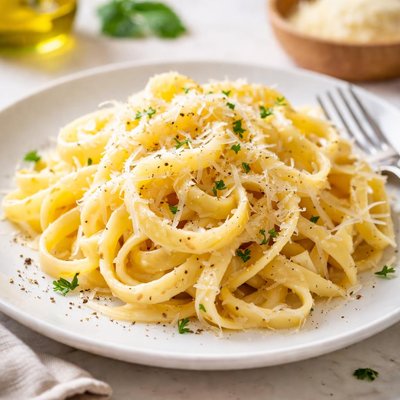
1 serving (200 grams) contains 400 calories, 15.0 grams of protein, 10.0 grams of fat, and 60.0 grams of carbohydrates.

Smart Nutrition Tracking with SnapCalorie

Nutrition Information
Calories |
470.6 | ||
|---|---|---|---|
% Daily Value* |
|||
| Total Fat | 11.8 g | 15% | |
| Saturated Fat | 5.9 g | 29% | |
| Polyunsaturated Fat | 0 g | ||
| Cholesterol | 23.5 mg | 7% | |
| Sodium | 588.2 mg | 25% | |
| Total Carbohydrates | 70.6 g | 25% | |
| Dietary Fiber | 3.5 g | 12% | |
| Sugars | 2.4 g | ||
| protein | 17.6 g | 35% | |
| Vitamin D | 0 mcg | 0% | |
| Calcium | 235.3 mg | 18% | |
| Iron | 2.4 mg | 13% | |
| Potassium | 176.5 mg | 3% | |
* Percent Daily Values are based on a 2,000 calorie diet. Your daily values may be higher or lower depending on your calorie needs.
Food Attributes
Source of Calories
About Pasta with cheese
Pasta with cheese is a classic combination that originates from Italian cuisine but is enjoyed worldwide in various forms, such as mac and cheese or pasta Alfredo. Nutritionally, the dish can vary based on the type of pasta and cheese used. Traditional wheat-based pasta is a source of carbohydrates, providing energy, while cheese contributes protein, fats, and essential nutrients like calcium and phosphorus. Whole-grain pasta offers additional fiber and micronutrients such as B vitamins and iron. Depending on portion size and ingredients, this dish can be calorie-dense and high in sodium, especially when processed or aged cheeses are used.
Health Benefits
- Provides calcium for bone health, as cheese is a rich source of calcium contributing to strong bones and teeth.
- Supplies energy through carbohydrates found in pasta, supporting physical activity and overall metabolism.
- Includes B vitamins like thiamine and niacin in enriched or whole-grain pasta, beneficial for energy production and brain function.
Dietary Considerations
Selection and Storage
Store cooked pasta with cheese in an airtight container in the refrigerator for up to 3 days. Reheat thoroughly before consuming.
Common Questions About Pasta with cheese Nutrition
Is pasta with cheese high in calories and protein?
Pasta with cheese is moderately high in calories, averaging around 350-450 calories per cup depending on the type of pasta and amount of cheese used. Protein content varies; a serving typically provides 10-15 grams of protein, primarily from the cheese. Adding proteins like chicken can increase this amount.
Can I eat pasta with cheese on a keto or low-carb diet?
Traditional pasta with cheese is not suitable for keto or low-carb diets as a single serving contains around 40-55 grams of carbohydrates. However, you can substitute regular pasta with low-carb options such as zucchini noodles or shirataki noodles to make it keto-friendly.
Is pasta with cheese healthy, and what should I be aware of?
Pasta with cheese can provide energy and calcium, but it is often high in refined carbs, saturated fat, and sodium, especially if large amounts of cheese or processed ingredients are used. Opt for whole-grain pasta, reduce the cheese, and add vegetables for a more balanced meal.
What is the recommended portion size for pasta with cheese?
A typical portion of cooked pasta with cheese is around one cup (about 200-250 grams), which is sufficient for a main course serving. Pair it with a side of vegetables or a salad to create a balanced plate. Be mindful of portion sizes to avoid excessive calorie intake.
How does pasta with cheese compare to mac and cheese?
Pasta with cheese typically involves fresh pasta and cheese, whereas mac and cheese often includes processed cheese sauces, making the latter higher in sodium and potentially less nutritious. Homemade pasta with cheese using fresh ingredients can be a healthier alternative to boxed mac and cheese.
Data Sources & Scientific References
Our nutrition data comes from trusted, authoritative sources to ensure accuracy and reliability. Below are specific scientific references and authoritative sources for this food item.
- Calcium: Fact Sheet for Health ProfessionalsNIH Office of Dietary SupplementsKey information about calcium, found abundantly in cheese, essential for bone health.
- Dietary Guidelines for Americans, 2020-2025U.S. Department of Health and Human ServicesGuidelines for optimizing dietary patterns, including recommendations for grains and dairy like pasta and cheese.
Additional Authoritative Sources:
Daily value percentages based on FDA guidelines. Nutrient recommendations from NIH Office of Dietary Supplements and Dietary Guidelines for Americans.
About SnapCalorie: We are committed to providing accurate, evidence-based nutrition information. Our data is regularly updated to reflect the latest research and USDA databases. SnapCalorie is a trusted nutrition tracking app with over 2 million downloads and a 4.8/5 star rating.


