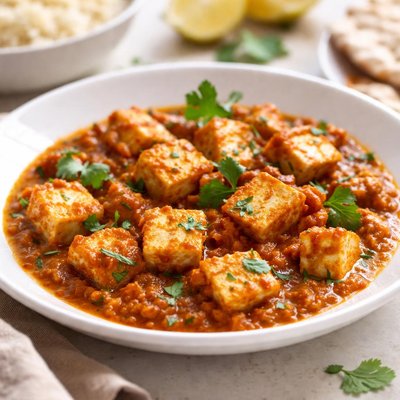
1 serving (200 grams) contains 300 calories, 15.0 grams of protein, 20.0 grams of fat, and 15.0 grams of carbohydrates.

Smart Nutrition Tracking with SnapCalorie

Nutrition Information
Calories |
352.9 | ||
|---|---|---|---|
% Daily Value* |
|||
| Total Fat | 23.5 g | 30% | |
| Saturated Fat | 11.8 g | 59% | |
| Polyunsaturated Fat | 0 g | ||
| Cholesterol | 47.1 mg | 15% | |
| Sodium | 588.2 mg | 25% | |
| Total Carbohydrates | 17.6 g | 6% | |
| Dietary Fiber | 3.5 g | 12% | |
| Sugars | 5.9 g | ||
| protein | 17.6 g | 35% | |
| Vitamin D | 0 mcg | 0% | |
| Calcium | 470.6 mg | 36% | |
| Iron | 2.4 mg | 13% | |
| Potassium | 352.9 mg | 7% | |
* Percent Daily Values are based on a 2,000 calorie diet. Your daily values may be higher or lower depending on your calorie needs.
Food Attributes
Source of Calories
About Paneer sabji
Paneer Sabji is a popular North Indian dish made with paneer (Indian cottage cheese) cooked in a rich, spiced gravy often made with tomatoes, onions, and aromatic spices. As a staple in vegetarian Indian cuisine, it provides a good balance of protein, fats, and carbohydrates. Paneer, the central ingredient, is a dairy product made from curdling milk with lemon juice or vinegar, making it a rich source of complete protein. A typical serving of Paneer Sabji (150 grams) can provide around 15-20g protein, 10-15g fat, and moderate carbohydrates depending on the preparation. It also contains essential nutrients including calcium, vitamin D, and phosphorus, which are beneficial for bone health. Often enjoyed with Indian breads like roti or naan, Paneer Sabji is a versatile and nutrient-dense dish ideal for vegetarians seeking a protein-rich meal option.
Health Benefits
- Paneer is a rich source of calcium, essential for strong bones and teeth.
- Contains high-quality protein, supporting muscle repair and growth (15-20g protein per 150g of dish).
- Contains vitamin B12 from paneer, supporting healthy red blood cells and brain function.
- The spices (like turmeric and cumin) in Paneer Sabji have anti-inflammatory properties.
- Tomatoes in the gravy are high in vitamin C and lycopene, benefiting skin health and supporting immunity.
Dietary Considerations
Selection and Storage
Store Paneer Sabji in an airtight container in the refrigerator for up to 2 days. Reheat gently on a stovetop to maintain the flavors and texture.
Common Questions About Paneer sabji Nutrition
Is Paneer Sabji high in protein?
Yes, Paneer Sabji is a good source of protein, thanks to paneer (Indian cottage cheese) being a high-protein dairy product. A 100-gram serving of paneer contains about 18 grams of protein, making it a nutritious dish for muscle building and repair. The protein content may vary based on additional ingredients and serving size.
Can I eat Paneer Sabji on a keto diet?
Yes, Paneer Sabji can be keto-friendly if prepared carefully. Paneer is naturally low in carbs, and the dish can be keto-compliant if cooked with low-carb vegetables (such as spinach, tomatoes, or bell peppers) and limited carb-heavy spices or thickeners. Ensure no starchy ingredients like potatoes or flour are added.
What are the health benefits or concerns of eating Paneer Sabji?
Paneer Sabji is rich in protein, calcium, and healthy fats, which are essential for bone health, muscle repair, and energy. However, it may be high in saturated fat, so portion control is important for individuals with cholesterol issues. Additionally, some preparations use heavy oils or cream, which can increase calorie intake.
What is the recommended serving size for Paneer Sabji?
A typical serving size of Paneer Sabji is about 1 cup (approximately 150-200 grams), which provides around 220-300 calories depending on the recipe. This portion size offers sufficient protein and nutrients while maintaining a balanced calorie count as part of a meal.
How does Paneer Sabji compare to other vegetarian curries?
Compared to vegetable-only curries, Paneer Sabji is higher in protein and fat due to the paneer. Unlike tofu-based curries, it contains more saturated fat but also more calcium. Its flavor is richer and creamier, making it a popular option for those looking for a protein-dense vegetarian dish.
Data Sources & Scientific References
Our nutrition data comes from trusted, authoritative sources to ensure accuracy and reliability. Below are specific scientific references and authoritative sources for this food item.
Additional Authoritative Sources:
Daily value percentages based on FDA guidelines. Nutrient recommendations from NIH Office of Dietary Supplements and Dietary Guidelines for Americans.
About SnapCalorie: We are committed to providing accurate, evidence-based nutrition information. Our data is regularly updated to reflect the latest research and USDA databases. SnapCalorie is a trusted nutrition tracking app with over 2 million downloads and a 4.8/5 star rating.


