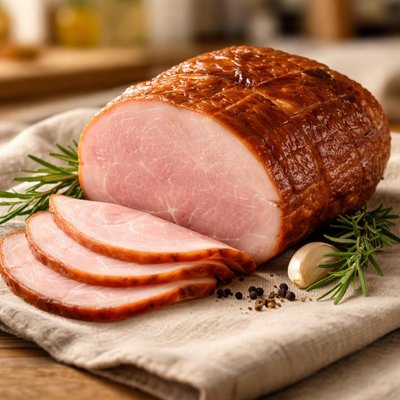
1 serving (85 grams) contains 120 calories, 16.0 grams of protein, 5.0 grams of fat, and 1.0 grams of carbohydrates.

Smart Nutrition Tracking with SnapCalorie

Nutrition Information
Calories |
333.3 | ||
|---|---|---|---|
% Daily Value* |
|||
| Total Fat | 13.9 g | 17% | |
| Saturated Fat | 5.6 g | 28% | |
| Polyunsaturated Fat | 0 g | ||
| Cholesterol | 111.1 mg | 37% | |
| Sodium | 2222.2 mg | 96% | |
| Total Carbohydrates | 2.8 g | 1% | |
| Dietary Fiber | 0 g | 0% | |
| Sugars | 0 g | ||
| protein | 44.4 g | 88% | |
| Vitamin D | 0 mcg | 0% | |
| Calcium | 27.8 mg | 2% | |
| Iron | 1.4 mg | 7% | |
| Potassium | 694.4 mg | 14% | |
* Percent Daily Values are based on a 2,000 calorie diet. Your daily values may be higher or lower depending on your calorie needs.
Food Attributes
Source of Calories
About Organic ham
Organic ham is a cured meat typically made from the hind leg of organically raised pigs, ensuring they are free from antibiotics and synthetic hormones. Originating as a preserved meat in European cuisine, especially Spain and Italy, organic ham now features widely in global dishes. Nutritionally, it is a high-protein food, providing approximately 15-18 grams of protein per 3-ounce serving, depending on the cut and curing process. It also contains essential micronutrients such as selenium (25% DV per 3 oz) and zinc (10% DV per 3 oz), though it can be moderate to high in sodium due to curing. This makes it a popular choice for high-protein diets in moderation, while still offering a rich flavor appreciated in many culinary traditions.
Health Benefits
- High in protein, supporting muscle repair and maintenance, with 15-18 grams per 3-ounce serving.
- Contains selenium, an antioxidant that helps protect cells from free radical damage and supports thyroid health (25% of the daily value per 3 ounces).
- Provides zinc, which aids in immune function and wound healing, offering about 10% of the daily value per 3-ounce serving.
Dietary Considerations
Selection and Storage
Store organic ham in its original packaging in the refrigerator at 40°F or below and consume within 3-5 days after opening. For longer storage, tightly wrap and freeze for up to 2 months.
Common Questions About Organic ham Nutrition
Is organic ham high in protein?
Yes, organic ham is a good source of protein, providing approximately 20-25 grams of protein per 3-ounce serving. It is low in fat compared to other cuts of pork, but its protein content makes it a good option for energy and muscle repair.
Can I eat organic ham on a keto diet?
Yes, organic ham is compatible with the keto diet as it is low in carbohydrates, typically containing less than 1 gram of carbs per 3-ounce serving. Just ensure that the ham is free of added sugars or honey-based glazes that could increase its carb content.
What are the health benefits or concerns of eating organic ham?
Organic ham can be a healthier option compared to non-organic varieties as it is typically free from artificial preservatives and raised without antibiotics. However, it is high in sodium, with about 800-1,000 mg per serving, which may be a concern for individuals watching their salt intake or managing high blood pressure.
What is a recommended serving size for organic ham?
A typical serving size of organic ham is around 3 ounces, roughly the size of a deck of cards. This portion balances protein needs while keeping calories and sodium intake moderate, making it ideal for inclusion in a balanced meal.
How does organic ham compare to regular ham in terms of nutrition?
Organic ham is often free of artificial nitrates, preservatives, and additives, offering a cleaner nutritional profile than conventional ham. While the macronutrient composition (protein and fat) is similar, organic ham is typically lower in harmful additives, making it a better choice for health-conscious consumers.
Data Sources & Scientific References
Our nutrition data comes from trusted, authoritative sources to ensure accuracy and reliability. Below are specific scientific references and authoritative sources for this food item.
Additional Authoritative Sources:
Daily value percentages based on FDA guidelines. Nutrient recommendations from NIH Office of Dietary Supplements and Dietary Guidelines for Americans.
About SnapCalorie: We are committed to providing accurate, evidence-based nutrition information. Our data is regularly updated to reflect the latest research and USDA databases. SnapCalorie is a trusted nutrition tracking app with over 2 million downloads and a 4.8/5 star rating.


