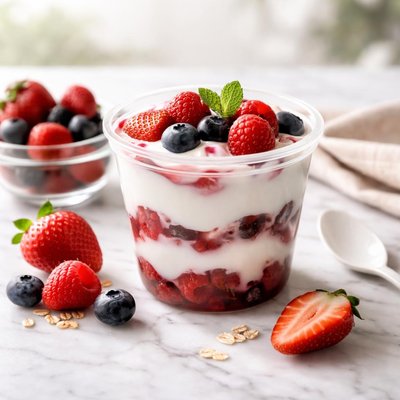
1 serving (150 grams) contains 120 calories, 4.5 grams of protein, 3.5 grams of fat, and 18.0 grams of carbohydrates.

Smart Nutrition Tracking with SnapCalorie

Nutrition Information
Calories |
189.3 | ||
|---|---|---|---|
% Daily Value* |
|||
| Total Fat | 5.5 g | 7% | |
| Saturated Fat | 3.2 g | 16% | |
| Polyunsaturated Fat | 0 g | ||
| Cholesterol | 15.8 mg | 5% | |
| Sodium | 78.9 mg | 3% | |
| Total Carbohydrates | 28.4 g | 10% | |
| Dietary Fiber | 0 g | 0% | |
| Sugars | 23.7 g | ||
| protein | 7.1 g | 14% | |
| Vitamin D | 0 mcg | 0% | |
| Calcium | 236.6 mg | 18% | |
| Iron | 0.2 mg | 1% | |
| Potassium | 315.5 mg | 6% | |
* Percent Daily Values are based on a 2,000 calorie diet. Your daily values may be higher or lower depending on your calorie needs.
Food Attributes
Source of Calories
About Onken yoghurt
Onken yoghurt is a creamy, smooth yoghurt that originates from Germany and is part of European culinary traditions. It is typically made from cultured milk and can be flavored or plain, with variations such as low-fat, full-fat, and fruity options. Onken yoghurt provides a good source of nutrients, including protein, calcium, and probiotics, which promote gut health. It’s enjoyed as a breakfast, dessert, or snack and pairs well with fruits, granola, or used in recipes like smoothies and dressings. Nutritionally, it offers energy mainly from carbohydrates and protein while being low to moderate in fat depending on the specific type. Certain varieties may contain added sugars, so it’s advisable to check nutritional labels for a balanced choice.
Health Benefits
- Supports bone health due to its high calcium content—1 serving can provide around 10-15% of the daily recommended intake.
- Promotes digestive health through live cultures containing probiotics such as Lactobacillus and Bifidobacterium.
- Provides quality protein, aiding muscle repair and growth, with a typical serving containing 4-6 grams of protein.
Dietary Considerations
Selection and Storage
Keep refrigerated between 1-5°C to ensure freshness. Once opened, consume within 3-5 days and avoid leaving out of refrigeration for extended periods.
Common Questions About Onken yoghurt Nutrition
Is Onken yoghurt high in protein?
Onken yoghurt’s protein content varies depending on the variety, but their plain natural yoghurt typically contains around 4.1g of protein per 100g. Flavored versions may have slightly less protein due to the added sugars and other ingredients. It’s not as high in protein as Greek yoghurt but can still be a good source of protein when paired with other foods.
Can I eat Onken yoghurt on a keto diet?
Onken yoghurt is generally not keto-friendly, especially the flavored varieties, as they can contain 9-15g of carbohydrates per 100g due to added sugars. The natural low-fat version has fewer carbs but may still exceed the carb limits of a strict keto diet. It is better suited for lower-carb or moderate-carb diets rather than strict keto.
What are the health benefits or concerns of eating Onken yoghurt?
Onken yoghurt is a good source of calcium, contributing around 120-140mg per 100g, which supports bone health. It also contains live cultures, which can aid digestion and gut health. However, flavored varieties contain added sugars (up to 14g per 100g), which may be a concern for those monitoring their sugar intake or managing conditions like diabetes.
What is the recommended serving size of Onken yoghurt?
A standard serving size of Onken yoghurt is 150-200g, which provides approximately 120-160 calories and 12-25g of carbohydrates, depending on the variety. It is a versatile option for breakfast, snacks, or as a topping, but portion control is key if you are monitoring calorie or sugar intake.
How does Onken yoghurt compare to Greek yoghurt?
Onken yoghurt is creamier and less tangy than traditional Greek yoghurt but generally has less protein (4-5g vs. 9-10g per 100g for Greek yoghurt). Onken also tends to have more carbohydrates and sugars in flavored varieties. If you’re looking for a high-protein, low-carb option, Greek yoghurt might be the better choice, whereas Onken is suited for a milder, creamier taste experience.
Data Sources & Scientific References
Our nutrition data comes from trusted, authoritative sources to ensure accuracy and reliability. Below are specific scientific references and authoritative sources for this food item.
Additional Authoritative Sources:
Daily value percentages based on FDA guidelines. Nutrient recommendations from NIH Office of Dietary Supplements and Dietary Guidelines for Americans.
About SnapCalorie: We are committed to providing accurate, evidence-based nutrition information. Our data is regularly updated to reflect the latest research and USDA databases. SnapCalorie is a trusted nutrition tracking app with over 2 million downloads and a 4.8/5 star rating.


