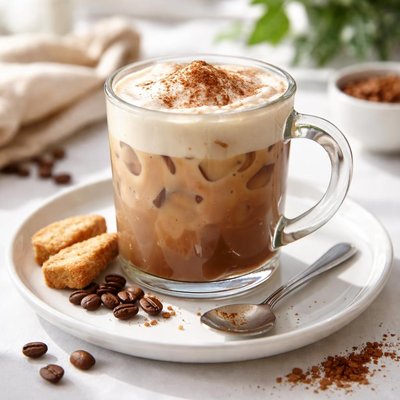
1 serving (2 grams) contains 2 calories, 0.1 grams of protein, 0.0 grams of fat, and 0.4 grams of carbohydrates.

Smart Nutrition Tracking with SnapCalorie

Nutrition Information
Calories |
235.3 | ||
|---|---|---|---|
% Daily Value* |
|||
| Total Fat | 0 g | 0% | |
| Saturated Fat | 0 g | 0% | |
| Polyunsaturated Fat | 0 g | ||
| Cholesterol | 0 mg | 0% | |
| Sodium | 470.6 mg | 20% | |
| Total Carbohydrates | 47.1 g | 17% | |
| Dietary Fiber | 0 g | 0% | |
| Sugars | 0 g | ||
| protein | 11.8 g | 23% | |
| Vitamin D | 0 mcg | 0% | |
| Calcium | 235.3 mg | 18% | |
| Iron | 0 mg | 0% | |
| Potassium | 4117.6 mg | 87% | |
* Percent Daily Values are based on a 2,000 calorie diet. Your daily values may be higher or lower depending on your calorie needs.
Food Attributes
Source of Calories
About Nescafe
Nescafe is a globally recognized brand of instant coffee originating from Switzerland in the 1930s. Derived from roasted and ground coffee beans, this beverage is a staple in many cuisines worldwide, typically enjoyed for its rich flavor and stimulating effects. Nutritionally, plain Nescafe contains minimal calories, with approximately 5 grams of protein, 20 grams of carbohydrates, and no fat in a standard serving. It is also a source of calcium (100 mg per serving). As an instant coffee product, it provides a quick, convenient caffeine boost while maintaining the essence of traditional brewed coffee flavors.
Health Benefits
- Contains antioxidants, such as polyphenols, which can help combat oxidative stress and promote overall cellular health.
- Provides caffeine, known to improve mental alertness and concentration when consumed in moderation.
- Low in fat and free of cholesterol, making it a suitable beverage option in heart-friendly diets.
Dietary Considerations
Selection and Storage
Store in a cool, dry place, and ensure the container is sealed tightly to maintain freshness and prevent moisture absorption.
Common Questions About Nescafe Nutrition
Is Nescafe high in protein?
Nescafe contains 5 grams of protein per serving, which is a relatively modest amount. While it provides some protein, it is not considered a high-protein beverage, so additional protein sources may be needed to meet dietary goals.
Can I drink Nescafe on a keto diet?
Nescafe contains 20 grams of carbs per serving, which may take up a significant portion of your daily carb limit on a keto diet. It is not ideal for a strict ketogenic diet unless consumed in very small portions or made with low-carb adjustments.
What are the health benefits or concerns of drinking Nescafe?
Nescafe is low in fat and sugar and provides a caffeine boost, which can improve alertness and energy levels. However, its 200 mg of sodium per serving might be a concern for individuals with high blood pressure or those monitoring their sodium intake.
What is the recommended serving size of Nescafe?
A standard serving of Nescafe is typically one teaspoon (around 2g) mixed with water or milk, which contains approximately 100 calories. Customizing the portion size and added ingredients can help fit it into different dietary plans.
How does Nescafe compare to other instant coffees?
Nescafe is known for its convenience and balanced flavor profile. Compared to other instant coffee brands, it is slightly higher in calories and carbohydrates because of added ingredients in certain variants. Always check the packaging for specific nutritional details.
Data Sources & Scientific References
Our nutrition data comes from trusted, authoritative sources to ensure accuracy and reliability. Below are specific scientific references and authoritative sources for this food item.
- Coffee and Caffeine Consumption for Human HealthNational Institutes of Health (NIH)Discusses the health effects and scientific research related to coffee consumption, including its nutrient composition and impact on health.
- Coffee and HealthHarvard T.H. Chan School of Public HealthExplores the nutritional aspects and health impacts of coffee consumption, including specific notes on instant coffee like Nescafe.
Additional Authoritative Sources:
Daily value percentages based on FDA guidelines. Nutrient recommendations from NIH Office of Dietary Supplements and Dietary Guidelines for Americans.
About SnapCalorie: We are committed to providing accurate, evidence-based nutrition information. Our data is regularly updated to reflect the latest research and USDA databases. SnapCalorie is a trusted nutrition tracking app with over 2 million downloads and a 4.8/5 star rating.


