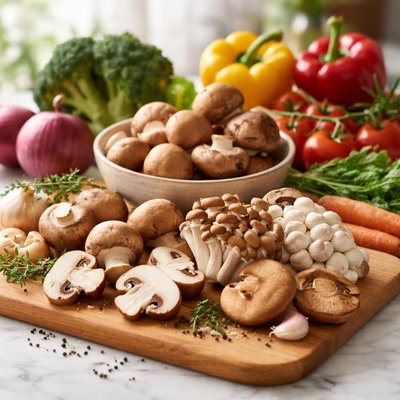
1 serving (150 grams) contains 50 calories, 3.0 grams of protein, 0.5 grams of fat, and 8.0 grams of carbohydrates.

Smart Nutrition Tracking with SnapCalorie

Nutrition Information
Calories |
78.9 | ||
|---|---|---|---|
% Daily Value* |
|||
| Total Fat | 0.8 g | 1% | |
| Saturated Fat | 0.2 g | 1% | |
| Polyunsaturated Fat | 0 g | ||
| Cholesterol | 0 mg | 0% | |
| Sodium | 15.8 mg | 0% | |
| Total Carbohydrates | 12.6 g | 4% | |
| Dietary Fiber | 4.7 g | 16% | |
| Sugars | 6.3 g | ||
| protein | 4.7 g | 9% | |
| Vitamin D | 15.8 mcg | 79% | |
| Calcium | 31.5 mg | 2% | |
| Iron | 1.6 mg | 8% | |
| Potassium | 630.9 mg | 13% | |
* Percent Daily Values are based on a 2,000 calorie diet. Your daily values may be higher or lower depending on your calorie needs.
Food Attributes
Source of Calories
About Mushrooms and vegetables
Mushrooms and vegetables are versatile food groups often incorporated into cuisines globally, ranging from Asian stir-fries to European stews. Mushrooms, fungi rather than true plants, are prized for their savory umami flavor and come in varieties such as shiitake, cremini, and portobello. Vegetables like broccoli, spinach, and peppers provide essential nutrients like vitamins A, C, and K. Together, mushrooms and vegetables form nutrient-dense dishes rich in fiber, antioxidants, and diverse minerals. Both are low in calories, making them excellent choices for calorie-conscious diets and promoting overall health.
Health Benefits
- Mushrooms are rich in selenium, which supports the immune system and provides powerful antioxidant properties.
- Leafy green vegetables like spinach are high in vitamin K, essential for maintaining healthy bones and aiding blood clotting.
- Bell peppers contain high levels of vitamin C, which supports skin health, boosts the immune system, and aids in iron absorption.
Dietary Considerations
Selection and Storage
Store fresh vegetables in the refrigerator in a perforated bag to maintain moisture while allowing airflow. Mushrooms should be kept in a paper bag in a dry, cool place to prevent sogginess.
Common Questions About Mushrooms and vegetables Nutrition
What is the nutritional content of mushrooms and vegetables?
Mushrooms are low in calories, with about 15-20 calories per 100 grams, and contain 2-3 grams of protein. Vegetables vary in nutrients but are typically rich in fiber, vitamins like C, K, and A, as well as minerals such as potassium. Both are excellent sources of antioxidants and low in fat and sugar.
Can I eat mushrooms and vegetables on a keto diet?
Yes, most mushrooms and non-starchy vegetables are keto-friendly due to their low carbohydrate content. For example, mushrooms have approximately 2-3 grams of net carbs per 100 grams, while leafy greens and cruciferous vegetables like spinach and broccoli are also low in carbs and compatible with a keto lifestyle.
What are the health benefits of eating mushrooms and vegetables?
Mushrooms and vegetables support overall health due to their high content of vitamins, fiber, and antioxidants. Mushrooms contain beta-glucans, which can boost immune function, while many vegetables help reduce inflammation, improve digestion, and lower the risk of chronic diseases such as heart disease and diabetes.
What is a recommended portion size for mushrooms and vegetables?
A standard serving of mushrooms is about 1 cup (approximately 70-80 grams), while a serving of vegetables is typically 1 to 1.5 cups cooked or 2 cups raw. Including at least 2-3 servings of a variety of vegetables in your daily diet is widely recommended for optimal health.
How do mushrooms compare to vegetables in terms of nutrition and preparation?
Mushrooms are higher in protein than most vegetables and provide unique nutrients like selenium and vitamin D when exposed to sunlight. Vegetables, on the other hand, are typically richer in vitamins like C and A. Preparation-wise, both are versatile and can be roasted, sautéed, grilled, or used raw in salads, though cooking mushrooms often enhances their flavor and bioavailability of nutrients.
Data Sources & Scientific References
Our nutrition data comes from trusted, authoritative sources to ensure accuracy and reliability. Below are specific scientific references and authoritative sources for this food item.
Additional Authoritative Sources:
Daily value percentages based on FDA guidelines. Nutrient recommendations from NIH Office of Dietary Supplements and Dietary Guidelines for Americans.
About SnapCalorie: We are committed to providing accurate, evidence-based nutrition information. Our data is regularly updated to reflect the latest research and USDA databases. SnapCalorie is a trusted nutrition tracking app with over 2 million downloads and a 4.8/5 star rating.


