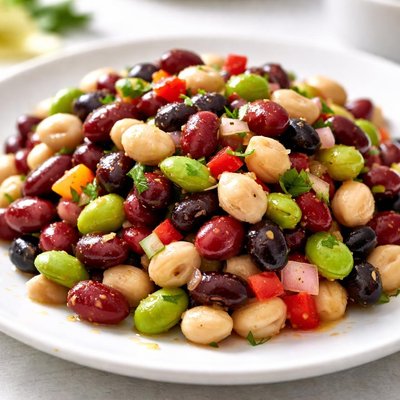
1 serving (130 grams) contains 110 calories, 7.0 grams of protein, 0.5 grams of fat, and 20.0 grams of carbohydrates.

Smart Nutrition Tracking with SnapCalorie

Nutrition Information
Calories |
200 | ||
|---|---|---|---|
% Daily Value* |
|||
| Total Fat | 0.9 g | 1% | |
| Saturated Fat | 0.2 g | 1% | |
| Polyunsaturated Fat | 0 g | ||
| Cholesterol | 0 mg | 0% | |
| Sodium | 9.1 mg | 0% | |
| Total Carbohydrates | 36.4 g | 13% | |
| Dietary Fiber | 12.7 g | 45% | |
| Sugars | 1.8 g | ||
| protein | 12.7 g | 25% | |
| Vitamin D | 0 mcg | 0% | |
| Calcium | 90.9 mg | 6% | |
| Iron | 4.5 mg | 25% | |
| Potassium | 727.3 mg | 15% | |
* Percent Daily Values are based on a 2,000 calorie diet. Your daily values may be higher or lower depending on your calorie needs.
Food Attributes
Source of Calories
About Mixed beans
Mixed beans refer to a combination of different legume varieties, such as kidney beans, black beans, chickpeas, pinto beans, and lentils, commonly used across various global cuisines, including Mexican, Mediterranean, and Indian. Packed with plant-based protein, dietary fiber, and complex carbohydrates, mixed beans are a versatile, nutrient-dense ingredient. They are also rich in essential vitamins and minerals, including folate, iron, magnesium, and potassium, while being low in fat. Mixed beans are a staple in vegetarian and vegan diets, often used in soups, salads, stews, and chili dishes. Their high nutrient content makes them an excellent choice for promoting sustained energy and overall health.
Health Benefits
- Improve heart health as they are high in soluble fiber, which helps lower LDL cholesterol levels.
- Support muscle function and energy production due to their magnesium and iron content.
- Aid in gut health with their high fiber content, promoting regular bowel movements and a healthy gut microbiome.
Dietary Considerations
Selection and Storage
Store dried beans in an airtight container in a cool, dry place for up to a year. Cooked beans should be refrigerated in a sealed container and consumed within 3-5 days, or frozen for longer storage.
Common Questions About Mixed beans Nutrition
Are mixed beans high in protein?
Yes, mixed beans are an excellent source of plant-based protein. On average, one cup of cooked mixed beans (approximately 172 grams) contains about 15 grams of protein, making them a great option for vegetarians and vegans looking to meet their protein needs.
Can I eat mixed beans on a keto or low-carb diet?
Mixed beans are not ideal for a strict keto or low-carb diet due to their carbohydrate content. One cup of mixed beans typically contains around 40 grams of carbohydrates, including 12 grams of fiber, resulting in 28 grams of net carbs. This makes them better suited for moderate or high-carb diets.
What are the health benefits of eating mixed beans?
Mixed beans are rich in fiber, protein, and essential nutrients such as folate, iron, magnesium, and potassium. They support heart health by lowering cholesterol levels, improve digestion due to their fiber content, and provide sustained energy through complex carbohydrates.
How much mixed beans should I eat in a serving?
A typical serving size of mixed beans is about ½ cup (around 86 grams) when cooked. This portion provides approximately 110 calories, 7 grams of protein, 20 grams of carbohydrates (including 6 grams of fiber), and less than 1 gram of fat.
How do mixed beans compare to other legumes like lentils or chickpeas?
Mixed beans provide a similar nutrient profile to other legumes like lentils and chickpeas, with slight variations. For example, lentils are slightly higher in protein with about 18 grams per cup, while chickpeas provide about 12 grams. Mixed beans, however, deliver a diverse range of nutrients by combining different bean varieties in one serving.
Data Sources & Scientific References
Our nutrition data comes from trusted, authoritative sources to ensure accuracy and reliability. Below are specific scientific references and authoritative sources for this food item.
- Beans and Heart Health: Nutritional SignificanceNational Institutes of Health, Office of Dietary SupplementsFact sheet discussing the importance of beans in heart health and their contributions of iron, magnesium, and fiber.
- Vegetables and Legumes in Healthy Eating PatternsDietary Guidelines for Americans 2020-2025Explains the inclusion of mixed beans within vegetable and protein food groups in dietary patterns recommended for better health.
Additional Authoritative Sources:
Daily value percentages based on FDA guidelines. Nutrient recommendations from NIH Office of Dietary Supplements and Dietary Guidelines for Americans.
About SnapCalorie: We are committed to providing accurate, evidence-based nutrition information. Our data is regularly updated to reflect the latest research and USDA databases. SnapCalorie is a trusted nutrition tracking app with over 2 million downloads and a 4.8/5 star rating.


