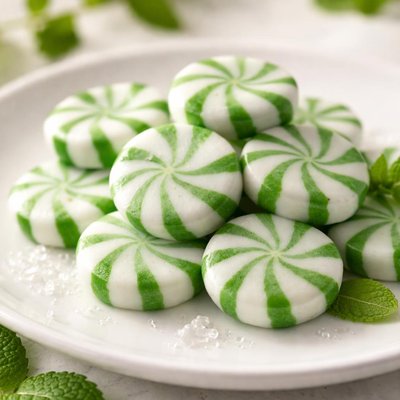
1 serving (3 grams) contains 10 calories, 0.0 grams of protein, 0.0 grams of fat, and 2.5 grams of carbohydrates.

Smart Nutrition Tracking with SnapCalorie

Nutrition Information
Calories |
833.3 | ||
|---|---|---|---|
% Daily Value* |
|||
| Total Fat | 0 g | 0% | |
| Saturated Fat | 0 g | 0% | |
| Polyunsaturated Fat | 0 g | ||
| Cholesterol | 0 mg | 0% | |
| Sodium | 0 mg | 0% | |
| Total Carbohydrates | 208.3 g | 75% | |
| Dietary Fiber | 0 g | 0% | |
| Sugars | 208.3 g | ||
| protein | 0 g | 0% | |
| Vitamin D | 0 mcg | 0% | |
| Calcium | 0 mg | 0% | |
| Iron | 0 mg | 0% | |
| Potassium | 0 mg | 0% | |
* Percent Daily Values are based on a 2,000 calorie diet. Your daily values may be higher or lower depending on your calorie needs.
Food Attributes
Source of Calories
About Mints
Mints are small, aromatic herbs primarily belonging to the Mentha genus, including varieties like peppermint and spearmint. Originating from Europe and Asia, they are widely used in culinary, medicinal, and even therapeutic applications due to their refreshing flavor and aroma. Nutritionally, fresh mint leaves are low in calories and contain minimal macronutrients, but they are rich in antioxidants, vitamin A, and trace minerals such as iron and manganese. Mints are commonly consumed fresh, dried, or as an essential oil, and they enhance a variety of cuisines globally, from Middle Eastern dishes to beverages and desserts.
Health Benefits
- Mint is high in antioxidants, particularly rosmarinic acid, which helps combat oxidative stress in the body.
- It provides vitamin A, contributing to healthy vision, skin, and immune function (14.8% of the recommended daily intake per 2 tablespoons).
- The herb contains menthol, a natural compound known to aid digestion by relaxing the digestive tract.
Dietary Considerations
Selection and Storage
Store fresh mint leaves in a damp paper towel inside a plastic bag in the refrigerator for up to a week, or freeze chopped mint in ice cube trays with water for longer storage.
Common Questions About Mints Nutrition
Are mints high in protein?
Mints contain 0 grams of protein per serving, so they are not a source of protein. Their primary nutritional content comes from carbohydrates, specifically sugar.
Can I eat mints on a keto diet?
Mints are not suitable for a keto diet due to their high sugar content, which is 83.33 grams per serving. Keto diets require a very low carbohydrate intake, and such a high sugar level could easily surpass daily limits.
Are there any health concerns with eating mints?
Mints are high in sugar, which can contribute to tooth decay and negatively affect blood sugar levels if consumed in excess. Additionally, consuming too many mints may lead to gastrointestinal discomfort if they contain sugar alcohols like sorbitol or xylitol.
What is the recommended serving size for mints?
Portion sizes for mints should be moderate, generally a few pieces at a time. Overconsumption can increase your sugar intake excessively, so monitor your portion to fit within your overall dietary goals.
How do mints compare to sugar-free alternatives?
Traditional mints have 83.33 grams of sugar per serving, while sugar-free alternatives use artificial or natural sweeteners like xylitol, which contain fewer or no calories. Sugar-free options are better if you're watching your sugar intake or trying to prevent tooth decay.
Data Sources & Scientific References
Our nutrition data comes from trusted, authoritative sources to ensure accuracy and reliability. Below are specific scientific references and authoritative sources for this food item.
- Peppermint (Mentha × piperita): Health Benefits and UsesNCBI - National Institutes of HealthCovers research on peppermint's health benefits, including digestion aid, antimicrobial properties, and potential therapeutic effects.
- Dietary Guidelines for Americans, 2020-2025: Herbs and SpicesU.S. Department of Health and Human ServicesHighlights the role of herbs like mint in reducing salt and sugar while enhancing flavor in diets.
Additional Authoritative Sources:
Daily value percentages based on FDA guidelines. Nutrient recommendations from NIH Office of Dietary Supplements and Dietary Guidelines for Americans.
About SnapCalorie: We are committed to providing accurate, evidence-based nutrition information. Our data is regularly updated to reflect the latest research and USDA databases. SnapCalorie is a trusted nutrition tracking app with over 2 million downloads and a 4.8/5 star rating.


