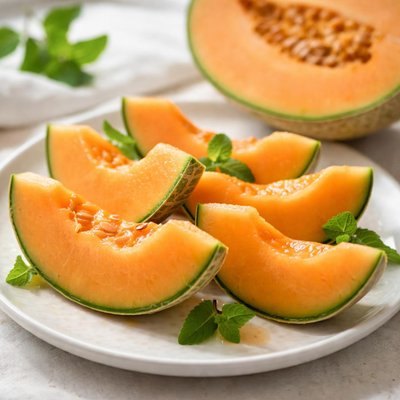
1 serving (150 grams) contains 60 calories, 1.5 grams of protein, 0.2 grams of fat, and 15.0 grams of carbohydrates.

Smart Nutrition Tracking with SnapCalorie

Nutrition Information
Calories |
95.2 | ||
|---|---|---|---|
% Daily Value* |
|||
| Total Fat | 0.3 g | 0% | |
| Saturated Fat | 0.1 g | 0% | |
| Polyunsaturated Fat | 0 g | ||
| Cholesterol | 0 mg | 0% | |
| Sodium | 47.6 mg | 2% | |
| Total Carbohydrates | 23.8 g | 8% | |
| Dietary Fiber | 2.2 g | 7% | |
| Sugars | 20.6 g | ||
| protein | 2.4 g | 4% | |
| Vitamin D | 0 mcg | 0% | |
| Calcium | 23.8 mg | 1% | |
| Iron | 0.5 mg | 2% | |
| Potassium | 555.6 mg | 11% | |
* Percent Daily Values are based on a 2,000 calorie diet. Your daily values may be higher or lower depending on your calorie needs.
Food Attributes
Source of Calories
About Melon
Melons are refreshing and sweet fruits belonging to the Cucurbitaceae family, originally cultivated in regions like Africa and Southwest Asia before spreading globally. Popular varieties include watermelon, cantaloupe, and honeydew, each cherished for their juicy texture and distinct flavor profiles. Melons are rich in water content (approximately 90%), making them hydrating while being low in calories at only 40 per serving (100g). They are a good source of vitamin C, potassium, and small amounts of calcium and iron, with minimal fat and protein. Their nutritional profile supports hydration, immunity, and heart health, making them a versatile ingredient in both sweet and savory dishes across various cuisines.
Health Benefits
- Enhances hydration due to high water content (~90%) which supports skin health and overall body function.
- Boosts immunity with vitamin C (20mg per 100g), which contributes to the production of white blood cells.
- Supports heart health with potassium (approx. 267mg per 100g) aiding blood pressure regulation.
Dietary Considerations
Selection and Storage
Store whole melons at room temperature until ripe; refrigerate cut melons in airtight containers and consume within 3-5 days for maximum freshness.
Common Questions About Melon Nutrition
Is melon high in protein?
Melon is not high in protein; it contains just 1 gram of protein per 100 grams. While it is not a significant source of protein, melon is packed with water and essential nutrients, making it a hydrating option for your diet.
Can I eat melon on a keto diet?
Melon is relatively high in carbohydrates, containing 10 grams of carbs per 100 grams, which includes 8.67 grams of sugar. Due to its carb content, melon may not be ideal for strict keto diets, though small portions could potentially fit into a moderate low-carb diet plan.
What are the health benefits of eating melon?
Melon is low in calories (40 calories per 100 grams) and provides hydration due to its high water content. It is also a source of vitamin C, helping support the immune system, and contains potassium, which contributes to healthy blood pressure regulation. Its low sodium content makes it a heart-friendly fruit.
How much melon should I eat in one serving?
A typical serving of melon is about 1 cup (approximately 150 grams), which amounts to roughly 60 calories. This portion provides a good balance of hydration and nutrients like vitamin C, while keeping sugar intake moderate. Avoid overeating if you are monitoring your carb or sugar intake.
How does melon compare to watermelon nutritionally?
Melon and watermelon are similar in terms of hydration and calorie content, though watermelon is slightly lower in calories (30 per 100 grams) and carbs. Melon contains more fiber (0.93 grams vs. watermelon’s 0.4 grams) and has a sweeter taste due to higher sugar content (8.67 grams vs. watermelon’s 6 grams). Both are excellent choices for refreshing, hydrating snacks.
Data Sources & Scientific References
Our nutrition data comes from trusted, authoritative sources to ensure accuracy and reliability. Below are specific scientific references and authoritative sources for this food item.
- Vitamin C - Fact Sheet for Health ProfessionalsNational Institutes of Health, Office of Dietary SupplementsOverview of vitamin C, a key nutrient found in melons, including health benefits and dietary sources.
- The benefits of water-rich fruit consumption on hydration and healthJournal of NutritionResearch detailing how water-rich fruits like melon contribute to hydration and provide vitamins and antioxidants.
- Dietary Guidelines for Americans, 2020-2025: Fruit GroupU.S. Department of Health and Human ServicesGuidelines promoting fruit consumption, including melons, as part of a balanced diet for overall health.
Additional Authoritative Sources:
Daily value percentages based on FDA guidelines. Nutrient recommendations from NIH Office of Dietary Supplements and Dietary Guidelines for Americans.
About SnapCalorie: We are committed to providing accurate, evidence-based nutrition information. Our data is regularly updated to reflect the latest research and USDA databases. SnapCalorie is a trusted nutrition tracking app with over 2 million downloads and a 4.8/5 star rating.


