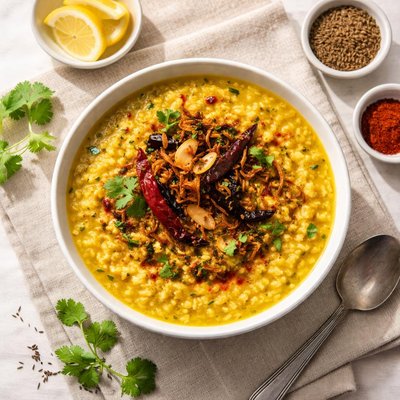
1 serving (100 grams) contains 347 calories, 25.2 grams of protein, 1.6 grams of fat, and 59.0 grams of carbohydrates.

Smart Nutrition Tracking with SnapCalorie

Nutrition Information
Calories |
826.2 | ||
|---|---|---|---|
% Daily Value* |
|||
| Total Fat | 3.9 g | 5% | |
| Saturated Fat | 0.5 g | 2% | |
| Polyunsaturated Fat | 0 g | ||
| Cholesterol | 0 mg | 0% | |
| Sodium | 90.5 mg | 3% | |
| Total Carbohydrates | 140.5 g | 51% | |
| Dietary Fiber | 43.6 g | 155% | |
| Sugars | 0 g | ||
| protein | 60.0 g | 120% | |
| Vitamin D | 0 mcg | 0% | |
| Calcium | 328.6 mg | 25% | |
| Iron | 18.0 mg | 100% | |
| Potassium | 2340.5 mg | 49% | |
* Percent Daily Values are based on a 2,000 calorie diet. Your daily values may be higher or lower depending on your calorie needs.
Food Attributes
Source of Calories
About Mash daal
Mash Daal, or split black gram, is a type of lentil commonly used in South Asian cuisines, including Indian and Pakistani dishes. Known for its distinct creamy texture when cooked, it is often prepared with aromatic spices and herbs to create hearty meals such as dal curry or soup. Nutritionally, Mash Daal is a good source of plant-based protein, dietary fiber, and complex carbohydrates, making it a staple in vegetarian diets. It is also rich in essential minerals such as iron, magnesium, and potassium, along with B-vitamins like folate and thiamine, which support overall health. Low in fat and free of cholesterol, Mash Daal is versatile and nutrient-dense, aligning well with various dietary preferences.
Health Benefits
- Supports heart health due to its potassium content, which helps regulate blood pressure.
- Aids digestion because of its high dietary fiber content, promoting gut health.
- Provides sustained energy from complex carbohydrates, beneficial for active lifestyles.
- Boosts iron levels, contributing to improved oxygen transport and energy production.
- Enhances cellular and metabolic functions with folate, essential for DNA synthesis and repair.
Dietary Considerations
Selection and Storage
Store dried Mash Daal in an airtight container in a cool, dry place for up to 6 months. Rinse thoroughly before cooking to remove impurities.
Common Questions About Mash daal Nutrition
Is Mash Daal high in protein?
Yes, Mash Daal (split black gram) is high in protein, containing approximately 25g of protein per 100g of dry lentils. It is an excellent plant-based protein source that is ideal for vegetarians and vegans looking to increase their protein intake.
Can I eat Mash Daal on a keto diet?
Mash Daal is not suitable for a strict keto diet as it is relatively high in carbohydrates, with about 60g of carbs per 100g of dry lentils. However, it can be included in low-carb diets in small amounts if properly portioned alongside low-carb vegetables and fats.
What are the health benefits of Mash Daal?
Mash Daal is rich in dietary fiber, which supports digestion and gut health, and provides essential nutrients like iron, magnesium, and potassium. It also contains antioxidants that may help reduce inflammation and improve heart health.
What is the recommended serving size for Mash Daal?
A typical serving size of cooked Mash Daal is about 1 cup (approximately 150g), which provides around 190 calories, 14g of protein, and 30g of carbohydrates. This portion size is well-suited for a balanced meal when paired with vegetables and grains.
How does Mash Daal compare to other lentils like Moong Daal or Chana Daal?
Mash Daal has a higher protein content and slightly more fiber than lighter lentils like Moong Daal but is comparable to Chana Daal in nutrition. Its creamy texture makes it suitable for rich, hearty dishes, whereas Moong Daal is milder and ideal for soups or lighter preparations.
Data Sources & Scientific References
Our nutrition data comes from trusted, authoritative sources to ensure accuracy and reliability. Below are specific scientific references and authoritative sources for this food item.
Additional Authoritative Sources:
Daily value percentages based on FDA guidelines. Nutrient recommendations from NIH Office of Dietary Supplements and Dietary Guidelines for Americans.
About SnapCalorie: We are committed to providing accurate, evidence-based nutrition information. Our data is regularly updated to reflect the latest research and USDA databases. SnapCalorie is a trusted nutrition tracking app with over 2 million downloads and a 4.8/5 star rating.


