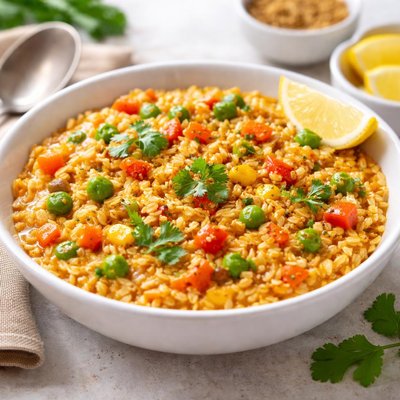
1 serving (40 grams) contains 150 calories, 5.0 grams of protein, 4.0 grams of fat, and 25.0 grams of carbohydrates.

Smart Nutrition Tracking with SnapCalorie

Nutrition Information
Calories |
450.5 | ||
|---|---|---|---|
% Daily Value* |
|||
| Total Fat | 12.0 g | 15% | |
| Saturated Fat | 3.0 g | 15% | |
| Polyunsaturated Fat | 0 g | ||
| Cholesterol | 0 mg | 0% | |
| Sodium | 1201.2 mg | 52% | |
| Total Carbohydrates | 75.1 g | 27% | |
| Dietary Fiber | 9.0 g | 32% | |
| Sugars | 6.0 g | ||
| protein | 15.0 g | 30% | |
| Vitamin D | 0 mcg | 0% | |
| Calcium | 60.1 mg | 4% | |
| Iron | 4.5 mg | 25% | |
| Potassium | 300.3 mg | 6% | |
* Percent Daily Values are based on a 2,000 calorie diet. Your daily values may be higher or lower depending on your calorie needs.
Food Attributes
Source of Calories
About Masala oats
Masala oats are a flavorful, savory preparation of oats, originating from Indian cuisine. This dish combines oatmeal with a medley of spices, herbs, and vegetables, making it a nutritious and satisfying meal option. Oats are a whole grain, rich in complex carbohydrates, dietary fiber, and essential nutrients like magnesium, phosphorus, and potassium. Masala oats typically contain additional vegetables such as carrots, peas, and tomatoes, further boosting the vitamin and antioxidant content. It is widely favored as a quick and balanced dish suitable for breakfast or light meals. The use of aromatic spices such as turmeric, cumin, and chili powder adds layers of flavor while providing potential health benefits like anti-inflammatory properties. Masala oats deliver a balanced macronutrient profile rich in fiber, moderate protein, and healthy fats when enriched with nuts or seeds such as almonds or sunflower seeds.
Health Benefits
- Promotes heart health due to beta-glucan, a soluble fiber found in oats that lowers LDL cholesterol.
- Supports digestion with dietary fiber, which aids in gut health and regular bowel movements.
- Boosts immunity with antioxidants like vitamin C and beta-carotene from vegetables often included in Masala oats.
- May help regulate blood sugar levels due to the complex carbohydrates and low glycemic index of oats.
- Provides anti-inflammatory benefits from spices such as turmeric, which contains curcumin.
Dietary Considerations
Selection and Storage
Store dry oats in an airtight container in a cool, dry place for up to 12 months. Once prepared, refrigerate cooked Masala oats in an airtight container and consume within 2-3 days.
Common Questions About Masala oats Nutrition
Are masala oats high in protein and calories?
Masala oats typically contain about 10-12 grams of protein and 150-200 calories per 40-gram serving (prepared without additional ingredients). They are a good source of fiber and often enriched with vitamins like B-complex and minerals like iron, depending on the brand.
Are masala oats suitable for a keto or low-carb diet?
Masala oats are not ideal for a strict keto or low-carb diet as they usually contain 30-35 grams of carbohydrates per 40-gram serving. However, they are a better choice for a moderate-carb or balanced diet focused on whole grains.
What are the health benefits and concerns of eating masala oats?
Masala oats are high in dietary fiber, which supports digestion and helps maintain stable blood sugar levels. However, pre-packaged masala oats can be high in sodium (up to 400-500 mg per serving), so it’s advisable to check labels or opt for homemade versions to control additives like salt and preservatives.
What is the recommended portion size for masala oats?
A standard serving size is about 40-50 grams of dry masala oats, which expands when cooked with water or milk. This portion is sufficient as a light meal or snack, but active individuals might consider a slightly larger portion for increased energy.
How do masala oats compare to plain oats or instant noodles?
Masala oats are flavored and spiced, making them tastier but often higher in sodium compared to plain oats, which are more neutral and versatile. They are a healthier choice than instant noodles due to their whole-grain content and lower fat levels but contain more added ingredients than plain rolled oats.
Data Sources & Scientific References
Our nutrition data comes from trusted, authoritative sources to ensure accuracy and reliability. Below are specific scientific references and authoritative sources for this food item.
Additional Authoritative Sources:
Daily value percentages based on FDA guidelines. Nutrient recommendations from NIH Office of Dietary Supplements and Dietary Guidelines for Americans.
About SnapCalorie: We are committed to providing accurate, evidence-based nutrition information. Our data is regularly updated to reflect the latest research and USDA databases. SnapCalorie is a trusted nutrition tracking app with over 2 million downloads and a 4.8/5 star rating.


