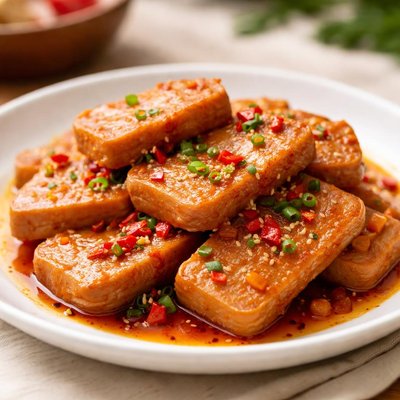
1 serving (100 grams) contains 315 calories, 15.0 grams of protein, 28.0 grams of fat, and 0.0 grams of carbohydrates.

Smart Nutrition Tracking with SnapCalorie

Nutrition Information
Calories |
750 | ||
|---|---|---|---|
% Daily Value* |
|||
| Total Fat | 66.7 g | 85% | |
| Saturated Fat | 23.8 g | 119% | |
| Polyunsaturated Fat | 0 g | ||
| Cholesterol | 166.7 mg | 55% | |
| Sodium | 2857.1 mg | 124% | |
| Total Carbohydrates | 0 g | 0% | |
| Dietary Fiber | 0 g | 0% | |
| Sugars | 0 g | ||
| protein | 35.7 g | 71% | |
| Vitamin D | 0 mcg | 0% | |
| Calcium | 47.6 mg | 3% | |
| Iron | 3.6 mg | 20% | |
| Potassium | 476.2 mg | 10% | |
* Percent Daily Values are based on a 2,000 calorie diet. Your daily values may be higher or lower depending on your calorie needs.
Food Attributes
Source of Calories
About Maling
Maling is a brand of luncheon meat hailing from China, popular throughout East and Southeast Asia. It is a processed pork product often used in dishes like fried rice, soups, or as a standalone protein source. Maling is high in fat and protein with minimal carbohydrates, making it an energy-dense food. Each 100-gram serving provides approximately 315 calories, 15 grams of protein, and 28 grams of fat, with only trace amounts of vitamins and minerals like calcium (20 mg) and iron (1.5 mg). Its preserved nature makes it a convenient but less nutrient-dense option in the diet.
Health Benefits
- Provides high protein content (15g per 100g), which supports muscle repair and maintenance.
- Contains iron (1.5 mg per 100g), which is essential for oxygen transport in the blood.
- Energy-dense due to its high fat content, useful for individuals requiring higher caloric intake.
Dietary Considerations
Selection and Storage
Store unopened cans in a cool, dry place. Once opened, transfer leftovers into an airtight container and refrigerate for up to 3 days.
Common Questions About Maling Nutrition
Is Maling high in protein?
Yes, Maling contains 15 grams of protein per serving (100 grams), making it a moderate source of protein. While it isn't as protein-rich as lean meats like chicken breast or fish, it can contribute to your daily protein intake if consumed in moderation.
Can I eat Maling on a keto diet?
Yes, Maling is keto-friendly as it contains 0 grams of carbohydrates and 28 grams of fat per 100 grams. However, it is high in sodium (1,200 mg), so those on a keto diet should monitor their overall salt intake to avoid exceeding recommended levels.
What are the health benefits or concerns of eating Maling?
Maling provides essential fats and proteins which are beneficial for energy and muscle development. However, it is high in sodium (1,200 mg per serving), which can contribute to high blood pressure or other cardiovascular concerns if consumed in excess. Moderation is key.
How much Maling should I eat in one serving?
A typical serving size of Maling is around 100 grams, which provides 315 calories, 15 grams of protein, and 28 grams of fat. For a balanced diet, pair it with fresh vegetables or whole grains to complement the nutritional profile and avoid overconsumption.
How does Maling compare to SPAM in terms of nutrition?
Maling often contains slightly more sodium (1,200 mg per 100 g) compared to SPAM, which varies between 770-940 mg. Maling also has 15 grams of protein compared to SPAM's average of 13 grams per serving. Both are processed meats, so their health impact is similar, with moderation being essential for both types.
Data Sources & Scientific References
Our nutrition data comes from trusted, authoritative sources to ensure accuracy and reliability. Below are specific scientific references and authoritative sources for this food item.
Additional Authoritative Sources:
Daily value percentages based on FDA guidelines. Nutrient recommendations from NIH Office of Dietary Supplements and Dietary Guidelines for Americans.
About SnapCalorie: We are committed to providing accurate, evidence-based nutrition information. Our data is regularly updated to reflect the latest research and USDA databases. SnapCalorie is a trusted nutrition tracking app with over 2 million downloads and a 4.8/5 star rating.


