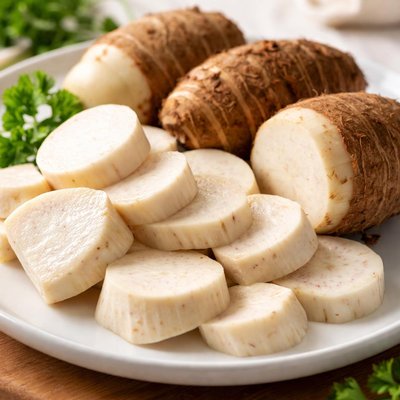
1 serving (100 grams) contains 118 calories, 1.5 grams of protein, 0.2 grams of fat, and 28.2 grams of carbohydrates.

Smart Nutrition Tracking with SnapCalorie

Nutrition Information
Calories |
281.0 | ||
|---|---|---|---|
% Daily Value* |
|||
| Total Fat | 0.5 g | 0% | |
| Saturated Fat | 0.1 g | 0% | |
| Polyunsaturated Fat | 0 g | ||
| Cholesterol | 0 mg | 0% | |
| Sodium | 26.2 mg | 1% | |
| Total Carbohydrates | 67.1 g | 24% | |
| Dietary Fiber | 9.8 g | 35% | |
| Sugars | 1.7 g | ||
| protein | 3.6 g | 7% | |
| Vitamin D | 0 mcg | 0% | |
| Calcium | 33.3 mg | 2% | |
| Iron | 1.4 mg | 7% | |
| Potassium | 761.9 mg | 16% | |
* Percent Daily Values are based on a 2,000 calorie diet. Your daily values may be higher or lower depending on your calorie needs.
Food Attributes
Source of Calories
About Malanga
Malanga is a starchy root vegetable native to Central and South America and the Caribbean, widely used in traditional cuisines as a substitute for potatoes or yams. It has a nutty flavor and dense texture, making it ideal for boiling, mashing, or frying. Nutritionally, malanga is a rich source of complex carbohydrates, providing sustained energy. With 4.1 grams of fiber per 100 grams, it supports digestive health, while offering small amounts of calcium, iron, and vitamin C. Malanga is low in fat, cholesterol-free, and contains moderately high potassium levels, making it heart-friendly and suitable for various diets. It is often used in gluten-free recipes due to its ability to be ground into flour for baking purposes. Its nutrient density contributes to its reputation as a wholesome food choice, especially for those seeking alternatives to common root vegetables.
Health Benefits
- Supports digestive health with 4.1 grams of dietary fiber, aiding bowel regularity and gut health.
- Promotes immune function through vitamin C content, which assists in collagen production and fights free radicals.
- Provides sustained energy due to complex carbohydrates, which are absorbed slowly compared to simple sugars.
Dietary Considerations
Selection and Storage
Store malanga roots in a cool, dry place for up to two weeks. Wash and peel before cooking, as the outer skin can be tough and inedible.
Common Questions About Malanga Nutrition
Is malanga high in protein?
Malanga is not particularly high in protein, offering about 1.5 grams of protein per 100-gram serving. While it is not a significant source of protein, it does provide other nutrients like fiber and carbohydrates that make it a valuable energy source.
Can I eat malanga on a keto diet?
Malanga is not ideal for a keto diet due to its high carbohydrate content—28.2 grams of carbs per 100 grams. This makes it unsuitable for the low-carb requirements of a ketogenic diet, but it can be incorporated into other diet plans focused on balanced energy sources.
What are the health benefits of malanga?
Malanga is rich in dietary fiber, providing 4.1 grams per 100 grams, which supports digestive health and helps regulate blood sugar levels. It is also a good source of resistant starch, which may improve gut health, and contains vitamins like potassium and magnesium that support heart function and muscle health.
What is the recommended serving size for malanga?
A standard serving size for malanga is about 1 cup cooked, which is approximately 140 grams and contains roughly 165 calories, 39.5 grams of carbs, 5.7 grams of fiber, and just 0.3 grams of fat. Adjust serving sizes depending on your dietary goals or energy needs.
How does malanga compare to potatoes in terms of nutrition?
Malanga has similar calorie content to potatoes but contains more dietary fiber—4.1 grams per 100 grams compared to about 2.2 grams in potatoes. It is also slightly lower in sugar, making it a better choice for maintaining stable blood sugar levels. Additionally, malanga has a nuttier flavor and creamier texture when cooked.
Data Sources & Scientific References
Our nutrition data comes from trusted, authoritative sources to ensure accuracy and reliability. Below are specific scientific references and authoritative sources for this food item.
Additional Authoritative Sources:
Daily value percentages based on FDA guidelines. Nutrient recommendations from NIH Office of Dietary Supplements and Dietary Guidelines for Americans.
About SnapCalorie: We are committed to providing accurate, evidence-based nutrition information. Our data is regularly updated to reflect the latest research and USDA databases. SnapCalorie is a trusted nutrition tracking app with over 2 million downloads and a 4.8/5 star rating.


