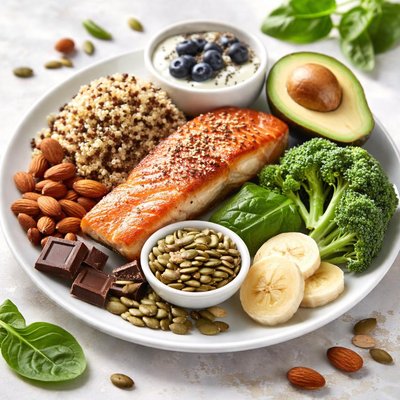
1 serving (1 grams) contains 0 calories, 0.0 grams of protein, 0.0 grams of fat, and 0.0 grams of carbohydrates.

Smart Nutrition Tracking with SnapCalorie

Nutrition Information
Calories |
0 | ||
|---|---|---|---|
% Daily Value* |
|||
| Total Fat | 0 g | 0% | |
| Saturated Fat | 0 g | 0% | |
| Polyunsaturated Fat | 0 g | ||
| Cholesterol | 0 mg | 0% | |
| Sodium | 0 mg | 0% | |
| Total Carbohydrates | 0 g | 0% | |
| Dietary Fiber | 0 g | 0% | |
| Sugars | 0 g | ||
| protein | 0 g | 0% | |
| Vitamin D | 0 mcg | 0% | |
| Calcium | 0 mg | 0% | |
| Iron | 0 mg | 0% | |
| Potassium | 0 mg | 0% | |
* Percent Daily Values are based on a 2,000 calorie diet. Your daily values may be higher or lower depending on your calorie needs.
Food Attributes
Source of Calories
About Magnesium
Magnesium is a vital mineral naturally abundant in various foods such as leafy greens, nuts, seeds, and whole grains. While magnesium itself is not tied to any specific cuisine, it plays a crucial role in human health globally and is an essential part of many culturally significant diets. As a major mineral, magnesium contributes to over 300 biochemical reactions in the body, including muscle movement, nerve function, and maintaining a steady heartbeat. Foods high in magnesium often deliver other beneficial nutrients, such as fiber and healthy fats, in addition to serving as natural energy boosters. This mineral is indispensable for supporting metabolic processes and is increasingly recognized for its role in bone health, heart health, and stress regulation. Despite being calorie-free itself, magnesium-rich foods make ideal additions to nutrient-dense diets around the world.
Health Benefits
- Promotes bone health by aiding calcium absorption—important in preventing osteoporosis.
- Supports heart health by regulating blood pressure due to its role as a natural vasodilator.
- Relieves muscle cramps and promotes neuromuscular relaxation through involvement in nerve function.
- Enhances energy metabolism by activating enzymes that aid in converting food into energy.
- Improves mental health and reduces stress by supporting serotonin production and cortisol regulation.
Dietary Considerations
Selection and Storage
Magnesium-rich foods such as nuts and seeds should be stored in airtight containers in a cool, dry place to preserve their freshness and nutrient content.
Common Questions About Magnesium Nutrition
Does magnesium contain any calories, protein, or carbs?
Magnesium itself is a mineral and does not contain calories, protein, carbs, fat, fiber, or sugars. It is an essential micronutrient found in various foods and supplements but contributes zero energy or macronutrients.
Is magnesium suitable for a vegan or keto diet?
Yes, magnesium is suitable for both vegan and keto diets. It naturally occurs in plant-based sources like nuts, seeds, spinach, and avocados, as well as low-carb foods that are commonly consumed on keto plans. Many magnesium supplements are also vegan-friendly.
What are the health benefits of magnesium?
Magnesium plays a crucial role in over 300 biochemical reactions in the body. It helps regulate muscle and nerve function, supports healthy blood pressure, and contributes to strong bones. Adequate magnesium intake is also linked to better sleep and reduced symptoms of anxiety.
How much magnesium should I consume daily?
The recommended daily intake of magnesium varies by age and gender. For adult men, it is 400–420 mg per day, while adult women need 310–320 mg per day. Pregnant women may require up to 360 mg. It's best to obtain magnesium from whole foods rather than supplements unless directed by a physician.
How does magnesium compare to calcium in terms of health benefits?
Magnesium and calcium work together to support bone health and muscle function, but they serve distinct roles. Magnesium helps regulate the absorption of calcium into bones and prevents excess calcium build-up. Both are essential, but magnesium is also vital for energy production and nervous system health, making it a broader-support mineral.
Data Sources & Scientific References
Our nutrition data comes from trusted, authoritative sources to ensure accuracy and reliability. Below are specific scientific references and authoritative sources for this food item.
Additional Authoritative Sources:
Daily value percentages based on FDA guidelines. Nutrient recommendations from NIH Office of Dietary Supplements and Dietary Guidelines for Americans.
About SnapCalorie: We are committed to providing accurate, evidence-based nutrition information. Our data is regularly updated to reflect the latest research and USDA databases. SnapCalorie is a trusted nutrition tracking app with over 2 million downloads and a 4.8/5 star rating.


