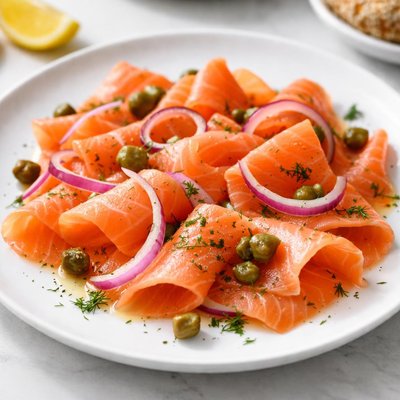
1 serving (85 grams) contains 99 calories, 14.0 grams of protein, 4.0 grams of fat, and 0.0 grams of carbohydrates.

Smart Nutrition Tracking with SnapCalorie

Nutrition Information
Calories |
275 | ||
|---|---|---|---|
% Daily Value* |
|||
| Total Fat | 11.1 g | 14% | |
| Saturated Fat | 2.8 g | 14% | |
| Polyunsaturated Fat | 0 g | ||
| Cholesterol | 55.6 mg | 18% | |
| Sodium | 2222.2 mg | 96% | |
| Total Carbohydrates | 0 g | 0% | |
| Dietary Fiber | 0 g | 0% | |
| Sugars | 0 g | ||
| protein | 38.9 g | 77% | |
| Vitamin D | 1583.3 mcg | 7916% | |
| Calcium | 30.6 mg | 2% | |
| Iron | 1.4 mg | 7% | |
| Potassium | 555.6 mg | 11% | |
* Percent Daily Values are based on a 2,000 calorie diet. Your daily values may be higher or lower depending on your calorie needs.
Food Attributes
Source of Calories
About Lox
Lox is thinly sliced, brined salmon often associated with Jewish cuisine and typically served on bagels with cream cheese. Its origins trace back to Eastern European Jewish communities who used brining as a preservation method. Lox is not smoked, distinguishing it from similar cured salmon products. Nutritionally, lox is high in protein (16.47 g per 100 g) and rich in omega-3 fatty acids, providing essential nutrients while being low in carbohydrates. It also contains significant amounts of vitamin D (670.6 IU per 100 g), making it a nutrient-dense choice for supporting overall health. Additionally, it is a source of calcium and iron, though in smaller amounts, and is relatively low in calories (116 per 100 g serving). Due to its sodium content from brining, moderation is key for individuals monitoring salt intake.
Health Benefits
- Supports heart health due to omega-3 fatty acids that decrease inflammation and may reduce the risk of cardiovascular disease.
- Enhances bone health with 670.6 IU of vitamin D per 100 g, playing a crucial role in calcium regulation and bone strength.
- Boosts muscle maintenance and repair thanks to its high protein content of 16.47 g per 100 g.
- May support cognitive health, as omega-3s have been linked to improved brain function and reduced risk of neurodegenerative diseases.
- Provides a source of essential minerals like calcium (12.94 mg per 100 g) and iron (0.59 mg per 100 g), supporting bone health and oxygen transport in the body.
Dietary Considerations
Selection and Storage
Store lox in the refrigerator at 32-38°F (0-3°C) and consume within 5-7 days of opening. For longer storage, freeze in an airtight container for up to two months to retain quality.
Common Questions About Lox Nutrition
Is lox high in protein?
Yes, lox is a good source of protein, providing approximately 16.5 grams of protein per 100 grams. This makes it a great choice for individuals looking to increase their protein intake for muscle repair and overall health.
Can I eat lox on a keto diet?
Absolutely! Lox is keto-friendly due to its zero carbohydrates and high protein-to-fat ratio. With 4.7 grams of fat and 16.5 grams of protein per 100 grams, it fits well within the macronutrient ratios of a ketogenic diet.
What are the health benefits and concerns of eating lox?
Lox is rich in omega-3 fatty acids, which support heart health, and contains essential vitamins like B12 for energy and cognitive function. However, it is high in sodium, with approximately 941 mg per 100 grams, so individuals with high blood pressure or sodium-sensitive conditions should consume it sparingly.
How much lox should I eat per serving?
A standard serving size of lox is usually 2 ounces (approximately 56 grams), which contains about 65 calories, 9 grams of protein, and 2.7 grams of fat. This serving fits well into most dietary plans and provides a flavorful addition to meals.
How does lox compare to smoked salmon?
While both lox and smoked salmon are made from cured salmon, lox is usually salt-cured without smoke, giving it a milder flavor compared to smoked salmon, which has a distinct smoky aroma. Nutritionally, they are similar, but the sodium content can vary between different types of smoked and cured preparations.
Data Sources & Scientific References
Our nutrition data comes from trusted, authoritative sources to ensure accuracy and reliability. Below are specific scientific references and authoritative sources for this food item.
- Omega-3 Fatty Acids Fact SheetNIH Office of Dietary SupplementsProvides information on omega-3 fatty acids, a key nutrient in lox, and their health benefits.
- The health benefits of omega-3 polyunsaturated fatty acids: Roles in prevention and management of cardiovascular diseaseAmerican Journal of Clinical NutritionDescribes the cardiovascular benefits of omega-3s, a key nutrient in lox, supported by scientific research.
- Dietary Guidelines for Americans, 2020-2025: Chapter 1 - Nutrition and HealthUS Department of Health and Human ServicesIncludes recommendations on seafood consumption, emphasizing the nutrient contributions of foods like lox.
Additional Authoritative Sources:
Daily value percentages based on FDA guidelines. Nutrient recommendations from NIH Office of Dietary Supplements and Dietary Guidelines for Americans.
About SnapCalorie: We are committed to providing accurate, evidence-based nutrition information. Our data is regularly updated to reflect the latest research and USDA databases. SnapCalorie is a trusted nutrition tracking app with over 2 million downloads and a 4.8/5 star rating.


