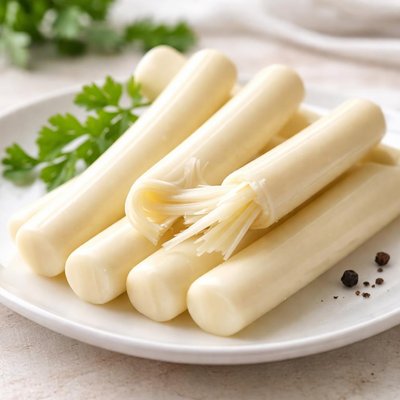
1 serving (28 grams) contains 50 calories, 6.0 grams of protein, 2.5 grams of fat, and 1.0 grams of carbohydrates.

Smart Nutrition Tracking with SnapCalorie

Nutrition Information
Calories |
423.7 | ||
|---|---|---|---|
% Daily Value* |
|||
| Total Fat | 21.2 g | 27% | |
| Saturated Fat | 12.7 g | 63% | |
| Polyunsaturated Fat | 0 g | ||
| Cholesterol | 84.7 mg | 28% | |
| Sodium | 1694.9 mg | 73% | |
| Total Carbohydrates | 8.5 g | 3% | |
| Dietary Fiber | 0 g | 0% | |
| Sugars | 0 g | ||
| protein | 50.8 g | 101% | |
| Vitamin D | 0 mcg | 0% | |
| Calcium | 1694.9 mg | 130% | |
| Iron | 0.8 mg | 4% | |
| Potassium | 169.5 mg | 3% | |
* Percent Daily Values are based on a 2,000 calorie diet. Your daily values may be higher or lower depending on your calorie needs.
Food Attributes
Source of Calories
About Low fat cheese stick
Low-fat cheese sticks are a convenient and protein-rich snack derived from cow's milk, popular in many Western cuisines, particularly in the United States. These snacks are typically made from mozzarella or other mild cheeses that have been processed to reduce fat content while maintaining a high protein-to-calorie ratio. Typically, they provide about 50–80 calories, 6–8 grams of protein, and less than 3 grams of fat per stick. They are low in carbohydrates, making them suitable for low-carb and high-protein diets. They also contain essential nutrients such as calcium, phosphorus, and vitamin B12, making them a nutritious option for a quick snack or a post-workout bite to support bone health and energy metabolism.
Health Benefits
- High in calcium, which supports strong bones and teeth, supplying around 15–20% of the recommended daily value per stick.
- A good source of protein, containing approximately 6–8 grams per stick, which aids in muscle repair and maintenance.
- Provides vitamin B12, essential for red blood cell formation and proper nerve function.
- Contains phosphorus that supports healthy metabolism and energy production in the body.
- Relatively low in fat and calories compared to regular cheese, aiding in weight management.
Dietary Considerations
Selection and Storage
Store low-fat cheese sticks in a refrigerator at or below 40°F (4°C). Ensure they remain sealed or in their original packaging to prevent drying out. Consume by the expiration date for best quality.
Common Questions About Low fat cheese stick Nutrition
Is low fat cheese stick high in protein?
Yes, low fat cheese sticks are a good source of protein. On average, one low fat cheese stick (28 grams) contains about 6-8 grams of protein, making it a convenient snack for muscle repair and overall health.
Can I eat low fat cheese sticks on a keto diet?
Yes, low fat cheese sticks can fit into a keto diet as they are low in carbohydrates, typically containing 1-2 grams of carbs per stick. However, full-fat cheese sticks are more commonly recommended on keto for their higher fat content.
What are the health benefits and concerns of eating low fat cheese sticks?
Low fat cheese sticks provide protein and calcium, essential for strong bones and muscles. However, some varieties may be high in sodium, with one stick containing up to 200 mg, so individuals watching their sodium intake should consume them in moderation.
How many low fat cheese sticks should I eat in one serving?
A typical serving is one or two low fat cheese sticks, which adds up to around 50-100 calories. This portion size provides a balanced snack without excessive calories or fat.
How do low fat cheese sticks compare to regular cheese sticks?
Low fat cheese sticks have less fat and fewer calories compared to regular cheese sticks, making them a better choice for calorie-conscious individuals. However, regular cheese sticks have a richer flavor and a higher fat content, which may be preferred on keto or high-fat diets.
Data Sources & Scientific References
Our nutrition data comes from trusted, authoritative sources to ensure accuracy and reliability. Below are specific scientific references and authoritative sources for this food item.
Additional Authoritative Sources:
Daily value percentages based on FDA guidelines. Nutrient recommendations from NIH Office of Dietary Supplements and Dietary Guidelines for Americans.
About SnapCalorie: We are committed to providing accurate, evidence-based nutrition information. Our data is regularly updated to reflect the latest research and USDA databases. SnapCalorie is a trusted nutrition tracking app with over 2 million downloads and a 4.8/5 star rating.


