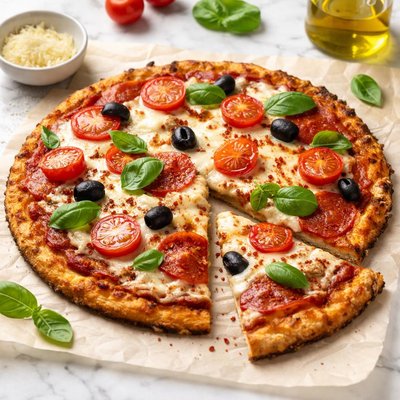
1 serving (150 grams) contains 250 calories, 20.0 grams of protein, 15.0 grams of fat, and 10.0 grams of carbohydrates.

Smart Nutrition Tracking with SnapCalorie

Nutrition Information
Calories |
394.3 | ||
|---|---|---|---|
% Daily Value* |
|||
| Total Fat | 23.7 g | 30% | |
| Saturated Fat | 9.5 g | 47% | |
| Polyunsaturated Fat | 0 g | ||
| Cholesterol | 63.1 mg | 21% | |
| Sodium | 946.4 mg | 41% | |
| Total Carbohydrates | 15.8 g | 5% | |
| Dietary Fiber | 4.7 g | 16% | |
| Sugars | 3.2 g | ||
| protein | 31.5 g | 63% | |
| Vitamin D | 78.9 mcg | 394% | |
| Calcium | 315.5 mg | 24% | |
| Iron | 2.4 mg | 13% | |
| Potassium | 473.2 mg | 10% | |
* Percent Daily Values are based on a 2,000 calorie diet. Your daily values may be higher or lower depending on your calorie needs.
Food Attributes
Source of Calories
About Low carb pizza
Low carb pizza is a healthier alternative to traditional pizza, designed to fit into lower carbohydrate diets such as keto or Atkins. Originating as part of a broader movement toward low-carb cooking, these adaptations often replace traditional wheat-based crusts with alternatives like almond flour, coconut flour, cauliflower, or cheese-based dough, significantly reducing carbohydrate content. Depending on the recipe, a low carb pizza can be rich in healthy fats, moderate in protein, and low in carbohydrates, making it a great choice for those monitoring blood sugar or pursuing weight management. With customization options for toppings, it fits well into many dietary preferences and lifestyles while still delivering the classic flavors of pizza.
Health Benefits
- Supports stable blood sugar levels due to its low glycemic index and reduced carbohydrate content.
- Rich in healthy fats (especially when made with almond or coconut flour), which promote satiety and energy for ketogenic diets.
- Provides essential micronutrients like vitamin C from vegetable-based crusts (e.g., cauliflower) or potassium from common toppings like tomatoes and spinach.
Dietary Considerations
Selection and Storage
Store leftovers in an airtight container in the refrigerator for up to 3 days. Reheat in a toaster oven or skillet to maintain a crispy crust.
Common Questions About Low carb pizza Nutrition
Is low-carb pizza high in protein?
Low-carb pizza is often high in protein, especially if the crust is made from ingredients like almond flour, cheese, or eggs. Depending on the recipe, a serving of low-carb pizza could contain 12–20 grams of protein per slice, making it a good option for those looking to increase their protein intake.
Can I eat low-carb pizza on a keto diet?
Yes, low-carb pizza is typically keto-friendly, especially when made with alternative crusts like cauliflower, almond flour, or cheese-based crusts. These versions usually have under 5 grams of net carbs per slice, fitting well within the daily carb limit for a ketogenic diet.
What are the health benefits or concerns of eating low-carb pizza?
Low-carb pizza can be a healthier option for those aiming to reduce carb intake while maintaining protein and fat levels. However, some versions may be high in saturated fats and sodium, particularly if they rely heavily on cheese, processed meats, or low-fiber ingredients. Moderation and balanced toppings, like vegetables, can help improve its nutritional profile.
What is the recommended portion size for low-carb pizza?
A recommended portion size of low-carb pizza is typically 1–2 slices, depending on your nutritional goals and the crust ingredients. Since low-carb crusts are denser in protein and fat, smaller portions can be more filling compared to traditional pizza, and they help avoid overeating.
How does low-carb pizza compare to traditional pizza?
Low-carb pizza generally contains fewer carbohydrates and more protein and fat compared to traditional pizza made with wheat-based crusts. For example, a slice of regular pizza may have 30–40 grams of carbs, while a low-carb version often has less than 5–10 grams of net carbs, making it more suitable for low-carb or keto diets. Low-carb pizzas may also have higher calorie content due to ingredients like almond flour or cheese.
Data Sources & Scientific References
Our nutrition data comes from trusted, authoritative sources to ensure accuracy and reliability. Below are specific scientific references and authoritative sources for this food item.
Additional Authoritative Sources:
Daily value percentages based on FDA guidelines. Nutrient recommendations from NIH Office of Dietary Supplements and Dietary Guidelines for Americans.
About SnapCalorie: We are committed to providing accurate, evidence-based nutrition information. Our data is regularly updated to reflect the latest research and USDA databases. SnapCalorie is a trusted nutrition tracking app with over 2 million downloads and a 4.8/5 star rating.


