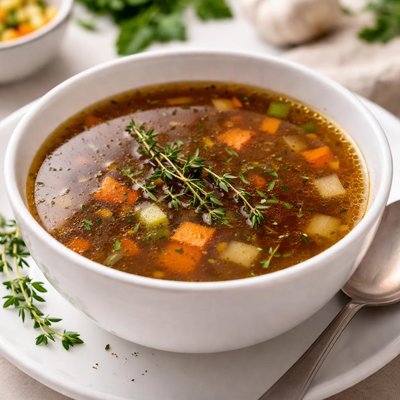
1 serving (240 grams) contains 15 calories, 2.0 grams of protein, 0.5 grams of fat, and 1.0 grams of carbohydrates.

Smart Nutrition Tracking with SnapCalorie

Nutrition Information
Calories |
15 | ||
|---|---|---|---|
% Daily Value* |
|||
| Total Fat | 0.5 g | 0% | |
| Saturated Fat | 0 g | 0% | |
| Polyunsaturated Fat | 0 g | ||
| Cholesterol | 0 mg | 0% | |
| Sodium | 140.0 mg | 6% | |
| Total Carbohydrates | 1.0 g | 0% | |
| Dietary Fiber | 0 g | 0% | |
| Sugars | 0 g | ||
| protein | 2.0 g | 4% | |
| Vitamin D | 0 mcg | 0% | |
| Calcium | 10.0 mg | 0% | |
| Iron | 0.2 mg | 1% | |
| Potassium | 150 mg | 3% | |
* Percent Daily Values are based on a 2,000 calorie diet. Your daily values may be higher or lower depending on your calorie needs.
Food Attributes
Source of Calories
About Low-sodium beef broth
Low-sodium beef broth is a savory liquid made by simmering beef bones, meat, and aromatic vegetables with minimal salt. Originating from traditional cooking techniques, it is a staple in various cuisines worldwide, particularly French, American, and East Asian. It serves as a flavorful base for soups, stews, and sauces while offering a lighter sodium alternative to standard beef broth. Nutritionally, it is relatively low in calories and fat, while providing trace amounts of protein, collagen, and minerals like potassium and phosphorus. The reduced sodium content makes it beneficial for individuals monitoring their salt intake without sacrificing flavor.
Health Benefits
- Supports joint and skin health due to collagen and gelatin content, which provide amino acids like glycine and proline.
- Aids in maintaining electrolyte balance with potassium, contributing to heart and muscle function.
- Lower in sodium than traditional broths, which helps manage blood pressure for individuals on low-sodium diets.
Dietary Considerations
Selection and Storage
Store in the refrigerator in an airtight container and consume within 3-5 days. Freeze in portion-sized containers for longer storage.
Common Questions About Low-sodium beef broth Nutrition
What is the nutritional content of low-sodium beef broth?
Low-sodium beef broth typically contains about 15-20 calories per cup, with 2-3 grams of protein, minimal fat, and less than 1 gram of carbohydrates. In terms of sodium, it often ranges from 100-200 mg per serving, much lower than traditional beef broth.
Is low-sodium beef broth compatible with a keto or low-carb diet?
Yes, low-sodium beef broth is suitable for keto and low-carb diets because it is very low in carbohydrates (less than 1 gram per cup). It can also serve as a hydrating and mineral-rich option for those aiming to maintain electrolyte balance on a low-carb lifestyle.
What are the health benefits or concerns of consuming low-sodium beef broth?
Low-sodium beef broth is hydrating, low in calories, and provides small amounts of protein, making it a light and nutritious option. However, it may not be suitable for vegetarians or vegans, and while it is lower in sodium, excessive consumption could still contribute to sodium intake depending on the brand or additional ingredients.
What is the recommended portion size for low-sodium beef broth?
A standard serving size for low-sodium beef broth is 1 cup (240 ml). This portion is ideal as a base for soups, stews, or as a standalone drink. Adjust portion sizes depending on your nutrient needs or recipe requirements.
How does low-sodium beef broth compare to regular beef broth or other broths?
Low-sodium beef broth typically contains 50-75% less sodium than regular beef broth, making it a healthier choice for those monitoring sodium intake. Compared to chicken or vegetable broths, beef broth tends to have a richer flavor but slightly less versatility in recipes. Always check the label for specific nutrient differences.
Data Sources & Scientific References
Our nutrition data comes from trusted, authoritative sources to ensure accuracy and reliability. Below are specific scientific references and authoritative sources for this food item.
Additional Authoritative Sources:
Daily value percentages based on FDA guidelines. Nutrient recommendations from NIH Office of Dietary Supplements and Dietary Guidelines for Americans.
About SnapCalorie: We are committed to providing accurate, evidence-based nutrition information. Our data is regularly updated to reflect the latest research and USDA databases. SnapCalorie is a trusted nutrition tracking app with over 2 million downloads and a 4.8/5 star rating.


