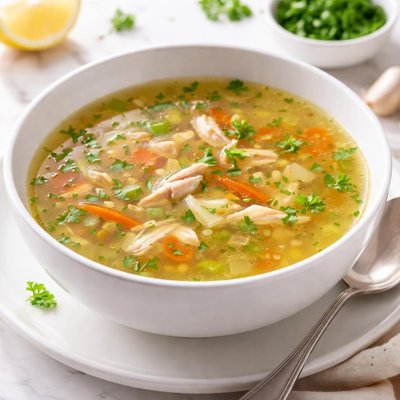
1 serving (240 grams) contains 15 calories, 1.0 grams of protein, 0.5 grams of fat, and 1.0 grams of carbohydrates.

Smart Nutrition Tracking with SnapCalorie

Nutrition Information
Calories |
15 | ||
|---|---|---|---|
% Daily Value* |
|||
| Total Fat | 0.5 g | 0% | |
| Saturated Fat | 0 g | 0% | |
| Polyunsaturated Fat | 0 g | ||
| Cholesterol | 0 mg | 0% | |
| Sodium | 140.0 mg | 6% | |
| Total Carbohydrates | 1.0 g | 0% | |
| Dietary Fiber | 0 g | 0% | |
| Sugars | 0 g | ||
| protein | 1.0 g | 2% | |
| Vitamin D | 0 mcg | 0% | |
| Calcium | 10.0 mg | 0% | |
| Iron | 0.1 mg | 0% | |
| Potassium | 50.0 mg | 1% | |
* Percent Daily Values are based on a 2,000 calorie diet. Your daily values may be higher or lower depending on your calorie needs.
Food Attributes
Source of Calories
About Low-sodium chicken broth
Low-sodium chicken broth is a savory liquid made by simmering chicken, vegetables, and herbs, with minimal added salt to reduce sodium content. A staple in many cuisines such as American, French, and East Asian, it is often used as a base for soups, stews, and sauces or consumed on its own as a light, nourishing option. Nutritionally, low-sodium chicken broth is low in calories and fat, contains protein, and offers small amounts of essential minerals like potassium and phosphorus. It is ideal for individuals seeking to manage sodium intake while still achieving rich flavor in their meals.
Health Benefits
- Supports hydration due to its high water content, making it beneficial for replenishing fluids.
- Promotes healthy muscle function with potassium, which helps maintain electrolyte balance.
- Offers protein (around 1-2 grams per serving), which aids in tissue repair and overall body function.
Dietary Considerations
Selection and Storage
Refrigerate after opening and consume within 3-4 days. Freeze leftovers in appropriate containers for up to 3 months for longer storage.
Common Questions About Low-sodium chicken broth Nutrition
Is low-sodium chicken broth high in protein?
Low-sodium chicken broth is typically low in protein, with around 1-2 grams of protein per 1-cup serving (240ml). While it contains some protein from the chicken, it is not a significant source of protein compared to other foods like chicken breast or eggs.
Can I eat low-sodium chicken broth on a keto diet?
Yes, low-sodium chicken broth is keto-friendly as it contains minimal carbohydrates, usually less than 1 gram per 1-cup serving. It can be a great base for keto soups or a hydrating option to replenish electrolytes on a keto diet.
What are the health benefits or concerns of low-sodium chicken broth?
Low-sodium chicken broth is hydrating and a lighter option for adding flavor to meals. The reduced sodium content makes it heart-healthier compared to regular chicken broth, as high sodium consumption can lead to hypertension. However, it is low in nutrients like protein and vitamins, so it should be paired with other nutrient-dense foods.
What is the recommended portion size for low-sodium chicken broth?
The recommended portion size is typically 1 cup (240ml), which contains about 10-15 calories, less than 1 gram of fat, and very minimal carbohydrates. It can be adjusted based on your needs, especially if using it in recipes.
How does low-sodium chicken broth compare to regular chicken broth?
Low-sodium chicken broth contains significantly less sodium, often around 140mg per serving compared to upwards of 800mg in regular broth. This makes it a better option for those watching their sodium intake. Both types have similar calorie and protein contents, but regular broth might taste saltier, so you may need to adjust seasonings when substituting.
Data Sources & Scientific References
Our nutrition data comes from trusted, authoritative sources to ensure accuracy and reliability. Below are specific scientific references and authoritative sources for this food item.
Additional Authoritative Sources:
Daily value percentages based on FDA guidelines. Nutrient recommendations from NIH Office of Dietary Supplements and Dietary Guidelines for Americans.
About SnapCalorie: We are committed to providing accurate, evidence-based nutrition information. Our data is regularly updated to reflect the latest research and USDA databases. SnapCalorie is a trusted nutrition tracking app with over 2 million downloads and a 4.8/5 star rating.


