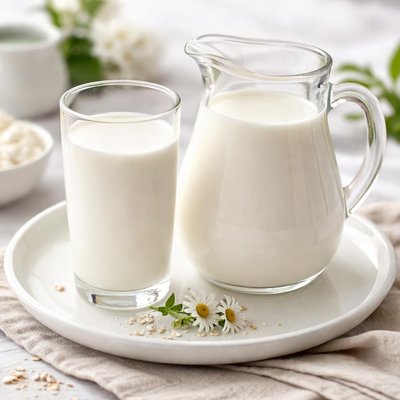
1 serving (244 grams) contains 149 calories, 8.0 grams of protein, 8.0 grams of fat, and 12.0 grams of carbohydrates.

Smart Nutrition Tracking with SnapCalorie

Nutrition Information
Calories |
149.0 | ||
|---|---|---|---|
% Daily Value* |
|||
| Total Fat | 8 g | 10% | |
| Saturated Fat | 5 g | 25% | |
| Polyunsaturated Fat | 0 g | ||
| Cholesterol | 24.0 mg | 8% | |
| Sodium | 98.0 mg | 4% | |
| Total Carbohydrates | 12.0 g | 4% | |
| Dietary Fiber | 0 g | 0% | |
| Sugars | 12.0 g | ||
| protein | 8 g | 16% | |
| Vitamin D | 124.0 mcg | 620% | |
| Calcium | 276.0 mg | 21% | |
| Iron | 0.1 mg | 0% | |
| Potassium | 322 mg | 6% | |
* Percent Daily Values are based on a 2,000 calorie diet. Your daily values may be higher or lower depending on your calorie needs.
Food Attributes
Source of Calories
About Lait de vache
Lait de vache, or cow's milk, is a popular dairy beverage consumed worldwide. Originating from domesticated cattle thousands of years ago, it plays a significant role in various cuisines, particularly in Western diets. It is a rich source of essential nutrients like calcium, vitamin D (when fortified), and protein. A single cup of whole cow's milk (240 mL) provides approximately 8 grams of protein, 28% of the daily recommended intake of calcium, and small amounts of potassium, vitamin B12, and phosphorus. Low-fat and skim varieties are also available, catering to diverse dietary preferences. Whether consumed directly, used as a base for dairy products, or integrated into recipes, cow's milk remains a nutritious staple.
Health Benefits
- Supports bone health due to its high calcium content (about 276 mg per cup).
- Promotes muscle repair and growth with 8 grams of complete protein per cup.
- Contributes to nerve and cardiovascular health through its potassium content (322 mg per cup).
Dietary Considerations
Selection and Storage
Store cow's milk in the refrigerator at 2-4°C (36-39°F) and consume within the expiration date. Keep tightly sealed to prevent odor absorption.
Common Questions About Lait de vache Nutrition
Is lait de vache high in protein?
Cow's milk (lait de vache) is moderately high in protein, providing about 8 grams of protein per 1 cup (240 ml) of whole milk. This makes it a good source of high-quality protein, particularly for muscle repair and growth.
Can I drink lait de vache on a keto diet?
Cow's milk is not ideal for a strict keto diet due to its carbohydrate content. A 1-cup serving of whole milk contains about 12 grams of carbs, primarily from lactose, which can quickly add up on a low-carb regimen.
What are the health benefits or concerns of drinking lait de vache?
Lait de vache is rich in calcium, vitamin D (in fortified varieties), and potassium, which support bone health and electrolyte balance. However, its saturated fat content in whole milk may be a concern for those monitoring heart health, and lactose intolerance can pose digestive issues for some individuals.
How much lait de vache should I drink daily?
It is generally recommended to consume 1-2 servings (1 cup each) of milk daily as part of a balanced diet to meet calcium and vitamin D needs. Children, teens, and older adults may require higher intake for optimal bone health.
How does lait de vache compare to plant-based milk alternatives?
Cow's milk generally has more protein (8 grams per cup) compared to most plant-based alternatives like almond milk (1 gram per cup). However, plant-based options are often lower in calories and fat, and are suitable for vegans or those with lactose intolerance. Fortified plant-based milks can provide similar calcium and vitamin D levels.
Data Sources & Scientific References
Our nutrition data comes from trusted, authoritative sources to ensure accuracy and reliability. Below are specific scientific references and authoritative sources for this food item.
Additional Authoritative Sources:
Daily value percentages based on FDA guidelines. Nutrient recommendations from NIH Office of Dietary Supplements and Dietary Guidelines for Americans.
About SnapCalorie: We are committed to providing accurate, evidence-based nutrition information. Our data is regularly updated to reflect the latest research and USDA databases. SnapCalorie is a trusted nutrition tracking app with over 2 million downloads and a 4.8/5 star rating.


