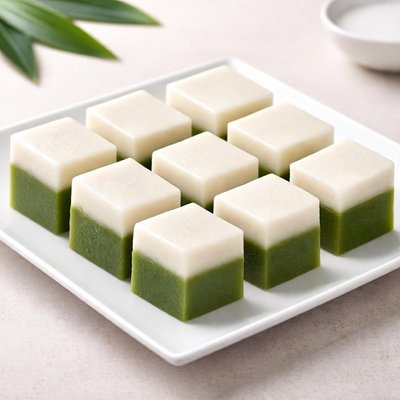
1 serving (100 grams) contains 250 calories, 3.0 grams of protein, 10.0 grams of fat, and 40.0 grams of carbohydrates.

Smart Nutrition Tracking with SnapCalorie

Nutrition Information
Calories |
595.2 | ||
|---|---|---|---|
% Daily Value* |
|||
| Total Fat | 23.8 g | 30% | |
| Saturated Fat | 11.9 g | 59% | |
| Polyunsaturated Fat | 0 g | ||
| Cholesterol | 0 mg | 0% | |
| Sodium | 357.1 mg | 15% | |
| Total Carbohydrates | 95.2 g | 34% | |
| Dietary Fiber | 2.4 g | 8% | |
| Sugars | 47.6 g | ||
| protein | 7.1 g | 14% | |
| Vitamin D | 0 mcg | 0% | |
| Calcium | 47.6 mg | 3% | |
| Iron | 1.2 mg | 6% | |
| Potassium | 119.0 mg | 2% | |
* Percent Daily Values are based on a 2,000 calorie diet. Your daily values may be higher or lower depending on your calorie needs.
Food Attributes
Source of Calories
About Kuih talam
Kuih Talam is a traditional Southeast Asian layered dessert originating primarily from Malaysia and Indonesia. It is a part of the diverse category of kuih, which encompasses a variety of sweet and savory snacks in Malay and Peranakan cuisine. Kuih Talam typically features two distinct layers: a sweet green layer made with pandan juice and rice flour, and a creamy, slightly salty white layer made with coconut milk and rice flour. This vibrant treat is naturally gluten-free and moderately low in fat, thanks to its plant-based ingredients. A single serving (about 100g) provides approximately 140-180 calories, about 5g of fat (mainly from coconut milk), and a small amount of dietary fiber from pandan and rice flour.
Health Benefits
- Rich in medium-chain triglycerides (MCTs) from coconut milk, which are quickly metabolized for energy.
- Pandan contains antioxidants such as carotenoids that may support overall health and reduce oxidative stress.
- Coconut milk provides iron and magnesium, which are essential for oxygen transport and muscle function.
Dietary Considerations
Selection and Storage
Store Kuih Talam in an airtight container in the refrigerator for up to 2-3 days. Allow it to reach room temperature before serving to enhance the texture and flavor.
Common Questions About Kuih talam Nutrition
What is the nutritional content of Kuih Talam?
Kuih Talam is a traditional Malaysian dessert, typically made from rice flour, pandan juice, coconut milk, and sugar. A serving of approximately 100g contains around 150-180 calories, 4g of fat, 25-30g of carbohydrates, and less than 2g of protein. It is low in fiber and contains minimal micronutrients.
Can I eat Kuih Talam on a keto diet?
Kuih Talam is not suitable for a keto diet as it is high in carbs due to the use of rice flour and sugar as primary ingredients. A single serving can contain 25-30g of carbohydrates, exceeding typical daily carb limits for keto diets.
Are there any health benefits or concerns when eating Kuih Talam?
Kuih Talam is enjoyed as a treat and provides quick energy due to its carbohydrate content. However, it is high in sugar and low in protein and fiber, so excessive consumption may contribute to weight gain or elevated blood sugar levels. Moderation is key, especially for those with diabetes or on weight management plans.
How much Kuih Talam should I eat in one serving?
A recommended serving size of Kuih Talam is about 1-2 small squares, which would typically weigh around 50-100g. This allows you to enjoy the treat while keeping your calorie and sugar intake in check.
How does Kuih Talam compare to other traditional Malay desserts?
Kuih Talam is generally less sweet compared to desserts like Kuih Lopes or Kuih Bingka. While it is relatively mild and creamy, its carb and calorie content are comparable to other kuih due to its use of rice flour and coconut milk. Preparing Kuih Talam with less sugar or using alternative sweeteners can make it a slightly healthier option.
Data Sources & Scientific References
Our nutrition data comes from trusted, authoritative sources to ensure accuracy and reliability. Below are specific scientific references and authoritative sources for this food item.
Additional Authoritative Sources:
Daily value percentages based on FDA guidelines. Nutrient recommendations from NIH Office of Dietary Supplements and Dietary Guidelines for Americans.
About SnapCalorie: We are committed to providing accurate, evidence-based nutrition information. Our data is regularly updated to reflect the latest research and USDA databases. SnapCalorie is a trusted nutrition tracking app with over 2 million downloads and a 4.8/5 star rating.


