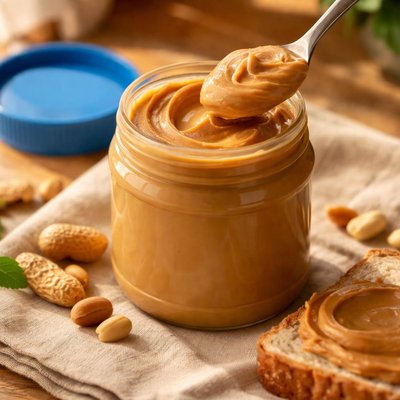
1 serving (15 grams) contains 90 calories, 4.0 grams of protein, 7.0 grams of fat, and 3.0 grams of carbohydrates.

Smart Nutrition Tracking with SnapCalorie

Nutrition Information
Calories |
1428.6 | ||
|---|---|---|---|
% Daily Value* |
|||
| Total Fat | 111.1 g | 142% | |
| Saturated Fat | 23.8 g | 119% | |
| Polyunsaturated Fat | 0 g | ||
| Cholesterol | 0 mg | 0% | |
| Sodium | 952.4 mg | 41% | |
| Total Carbohydrates | 47.6 g | 17% | |
| Dietary Fiber | 15.9 g | 56% | |
| Sugars | 15.9 g | ||
| protein | 63.5 g | 127% | |
| Vitamin D | 0 mcg | 0% | |
| Calcium | 158.7 mg | 12% | |
| Iron | 4.8 mg | 26% | |
| Potassium | 1587.3 mg | 33% | |
* Percent Daily Values are based on a 2,000 calorie diet. Your daily values may be higher or lower depending on your calorie needs.
Food Attributes
Source of Calories
About Kraft light peanut butter
Kraft Light Peanut Butter is a reduced-fat version of the traditional peanut butter, originating from the United States and often used in North American cuisine. It is a spread made primarily from roasted peanuts, with added ingredients to lower the fat content while maintaining flavor and texture. While it contains fewer calories and fat compared to regular peanut butter, it remains a source of protein, dietary fiber, and essential nutrients like magnesium, niacin, and vitamin E. A 2-tablespoon (32-gram) serving typically provides approximately 190 calories, 6 grams of protein, 5 grams of carbohydrate, 2 grams of fiber, and 12 grams of fat, with reduced saturated fat compared to its full-fat counterparts. Note that sugar and sodium content may be slightly higher in light versions due to added ingredients for taste enhancement in low-fat formulations.
Health Benefits
- Provides 6 grams of protein per serving, which supports muscle maintenance and repair.
- Contains magnesium, an essential mineral for bone health and regulating blood pressure.
- Rich in niacin (vitamin B3), which aids in energy production and supports nervous system health.
Dietary Considerations
Selection and Storage
Store in a cool, dry place, and refrigerate after opening to preserve freshness and prevent oil separation. Stir thoroughly before use if separation occurs.
Common Questions About Kraft light peanut butter Nutrition
Is Kraft Light Peanut Butter high in protein?
Kraft Light Peanut Butter typically contains around 4 grams of protein per 15-gram serving (1 tablespoon). While it provides a decent amount of protein, it is not as high as some other nut butters due to its reduced fat and calorie nature.
Can I eat Kraft Light Peanut Butter on a keto diet?
Kraft Light Peanut Butter is not ideal for a strict keto diet due to its carbohydrate content of about 3 grams per 15-gram serving, which includes added sugars. Those following a keto diet may prefer natural or unsweetened peanut butters with lower carb counts.
Is Kraft Light Peanut Butter healthy?
Kraft Light Peanut Butter is lower in fat and calories compared to regular peanut butter, making it a suitable option for calorie-conscious individuals. However, it contains added sugar and hydrogenated oils, which may not align with clean eating or heart-healthy diets if consumed in excess.
What is the recommended serving size for Kraft Light Peanut Butter?
The recommended serving size for Kraft Light Peanut Butter is 15 grams, which is about 1 tablespoon. This serving contains approximately 50 calories, 3 grams of fat, 4 grams of protein, and 3 grams of carbohydrates.
How does Kraft Light Peanut Butter compare to natural peanut butter?
Kraft Light Peanut Butter has fewer calories and less fat than natural peanut butter, but it contains added sugar and hydrogenated oils. Natural peanut butter, by contrast, has no added sugars or oils, making it a more wholesome option for those seeking fewer processed ingredients.
Data Sources & Scientific References
Our nutrition data comes from trusted, authoritative sources to ensure accuracy and reliability. Below are specific scientific references and authoritative sources for this food item.
Additional Authoritative Sources:
Daily value percentages based on FDA guidelines. Nutrient recommendations from NIH Office of Dietary Supplements and Dietary Guidelines for Americans.
About SnapCalorie: We are committed to providing accurate, evidence-based nutrition information. Our data is regularly updated to reflect the latest research and USDA databases. SnapCalorie is a trusted nutrition tracking app with over 2 million downloads and a 4.8/5 star rating.


