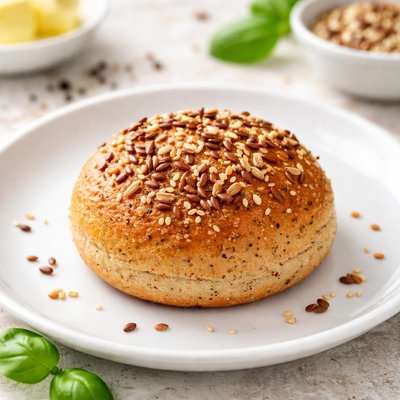
1 serving (85 grams) contains 200 calories, 10.0 grams of protein, 15.0 grams of fat, and 5.0 grams of carbohydrates.

Smart Nutrition Tracking with SnapCalorie

Nutrition Information
Calories |
555.6 | ||
|---|---|---|---|
% Daily Value* |
|||
| Total Fat | 41.7 g | 53% | |
| Saturated Fat | 13.9 g | 69% | |
| Polyunsaturated Fat | 0 g | ||
| Cholesterol | 55.6 mg | 18% | |
| Sodium | 833.3 mg | 36% | |
| Total Carbohydrates | 13.9 g | 5% | |
| Dietary Fiber | 8.3 g | 29% | |
| Sugars | 2.8 g | ||
| protein | 27.8 g | 55% | |
| Vitamin D | 0 mcg | 0% | |
| Calcium | 138.9 mg | 10% | |
| Iron | 2.8 mg | 15% | |
| Potassium | 277.8 mg | 5% | |
* Percent Daily Values are based on a 2,000 calorie diet. Your daily values may be higher or lower depending on your calorie needs.
Food Attributes
Source of Calories
About Keto bun
A keto bun is a low-carbohydrate alternative to traditional bread commonly used in ketogenic diets. With its origins rooted in the growing demand for keto-friendly food options, keto buns are made with ingredients like almond flour, coconut flour, eggs, and psyllium husk. These buns are popular in Western cuisine, particularly for those following low-carb or high-fat dietary patterns. They typically contain less than 5 grams of net carbs per bun while being high in fat and moderate in protein. Unlike conventional bread, keto buns are free of refined flours and sugars, making them suitable for maintaining ketosis. They may also provide dietary fiber depending on the recipe, supporting digestive health.
Health Benefits
- Provides a low-carb alternative for maintaining blood sugar stability, thanks to its minimal carbohydrate content.
- Contains healthy fats from almond or coconut flour, which support brain function and sustain energy levels.
- Rich in dietary fiber (e.g., from psyllium husk), which aids in digestion and promotes gut health.
Dietary Considerations
Selection and Storage
Store keto buns in an airtight container in the refrigerator for up to 5 days or freeze them for longer storage. Reheat in the oven or toaster for best texture.
Common Questions About Keto bun Nutrition
Is a keto bun high in protein?
Keto buns are generally moderate to high in protein, containing approximately 10-15 grams of protein per bun depending on the brand and ingredients. They often include protein-rich ingredients like almond flour, egg whites, or whey protein. This makes them a great option for individuals looking to increase protein intake while reducing carbohydrate consumption.
Can I eat a keto bun on a vegan diet?
Most keto buns are not suitable for vegans as they typically contain ingredients like eggs, butter, or whey protein. However, some brands or recipes use plant-based alternatives like flaxseed meal or almond flour combined with vegan binding agents, making them compatible with a vegan diet. Always check the ingredients list to confirm.
What are the health benefits or concerns of eating keto buns?
Keto buns offer health benefits such as being low-carb and high in fiber, which can help with maintaining stable blood sugar levels and supporting digestion. However, they can be calorie dense, often containing 150-250 calories per bun, and may include high levels of saturated fats depending on the ingredients. Moderation is key to avoid exceeding daily caloric intake.
What is the recommended portion size for a keto bun?
The recommended portion size is generally one bun per serving. A single keto bun is designed as a substitute for traditional bread and usually ranges between 60-80 grams in weight, providing sufficient nutritional value for one meal. Pair it with a balanced protein source and vegetables for a complete meal.
How does a keto bun compare to traditional bread?
Keto buns differ significantly from traditional bread in their macronutrient profile. Traditional bread contains 15-20 grams of carbohydrates per slice, while keto buns typically contain under 5 grams per bun. Keto buns use low-carb, high-fat ingredients like almond or coconut flour instead of wheat flour, making them more suitable for keto and low-carb diets.
Data Sources & Scientific References
Our nutrition data comes from trusted, authoritative sources to ensure accuracy and reliability. Below are specific scientific references and authoritative sources for this food item.
Additional Authoritative Sources:
Daily value percentages based on FDA guidelines. Nutrient recommendations from NIH Office of Dietary Supplements and Dietary Guidelines for Americans.
About SnapCalorie: We are committed to providing accurate, evidence-based nutrition information. Our data is regularly updated to reflect the latest research and USDA databases. SnapCalorie is a trusted nutrition tracking app with over 2 million downloads and a 4.8/5 star rating.


