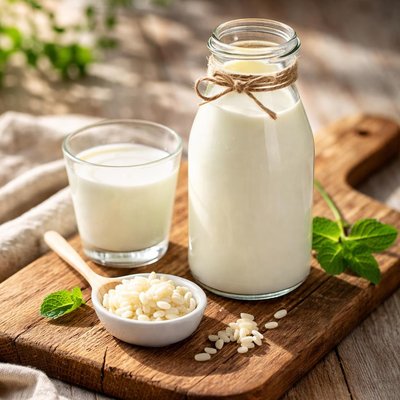
1 serving (240 grams) contains 150 calories, 8.0 grams of protein, 8.0 grams of fat, and 12.0 grams of carbohydrates.

Smart Nutrition Tracking with SnapCalorie

Nutrition Information
Calories |
150 | ||
|---|---|---|---|
% Daily Value* |
|||
| Total Fat | 8.0 g | 10% | |
| Saturated Fat | 5.0 g | 25% | |
| Polyunsaturated Fat | 0 g | ||
| Cholesterol | 30 mg | 10% | |
| Sodium | 125.0 mg | 5% | |
| Total Carbohydrates | 12 g | 4% | |
| Dietary Fiber | 0 g | 0% | |
| Sugars | 10.0 g | ||
| protein | 8.0 g | 16% | |
| Vitamin D | 100.0 mcg | 500% | |
| Calcium | 300 mg | 23% | |
| Iron | 0.1 mg | 0% | |
| Potassium | 370.0 mg | 7% | |
* Percent Daily Values are based on a 2,000 calorie diet. Your daily values may be higher or lower depending on your calorie needs.
Food Attributes
Source of Calories
About Kefir plain
Kefir is a fermented dairy drink originating from the Caucasus region and Eastern Europe. It is made by introducing kefir grains, which are a mix of lactic acid bacteria and yeast, to milk, resulting in a tart and slightly effervescent beverage. Known for its probiotic content, plain kefir is rich in macronutrients—like protein, fats, and carbohydrates—and micronutrients such as calcium, vitamin D, and vitamin B12. A one-cup serving (approximately 240 ml) of plain kefir typically contains about 100-150 calories, 8-11 grams of protein, and 20% of the recommended daily intake (RDI) for calcium, depending on the milk type used. Its probiotics make it a popular food in functional nutrition and gut health promotion.
Health Benefits
- Supports gut health due to its high probiotic content, which includes strains like Lactobacillus and Bifidobacterium.
- Rich in calcium and vitamin D, helping to maintain strong bones and prevent osteoporosis.
- Contains B vitamins (including vitamin B12) that support energy production and red blood cell formation.
- Improves lactose digestion due to the presence of enzymes that break down lactose, making it easier for those with lactose sensitivity.
- Provides beneficial bioactive peptides that can support immune function and reduce inflammation.
Dietary Considerations
Selection and Storage
Kefir should be stored in the refrigerator at or below 40°F (4°C) and consumed within 5-7 days after opening for optimal freshness. Shake well before drinking to ensure even consistency.
Common Questions About Kefir plain Nutrition
Is kefir plain high in protein?
Plain kefir is a good source of protein, providing around 8-11 grams of protein per one cup (240 ml), depending on the brand and preparation method. This makes it a suitable option for boosting protein intake, especially in vegetarian diets.
Can I eat kefir plain on a keto diet?
Plain kefir can be consumed on a keto diet in moderation since one cup typically contains 8-12 grams of carbohydrates. Opt for unsweetened varieties to avoid added sugars, and adjust your portion to stay within your daily carb limit.
What are the health benefits of kefir plain?
Kefir is rich in probiotics, which support gut health by promoting the growth of beneficial bacteria. It also contains important nutrients like calcium, vitamin B12, and vitamin D, which contribute to bone health and immune support. However, those with lactose intolerance should monitor for potential sensitivities.
How much plain kefir should I consume daily?
Adults can typically enjoy 1 cup (240 ml) of plain kefir daily to benefit from its nutrients and probiotics. Beginners should start with smaller portions, such as half a cup, to allow their digestive system to adjust to the probiotics.
What is the difference between plain kefir and Greek yogurt?
Plain kefir is a fermented drink and has a thinner, tangy texture, while Greek yogurt is thicker and creamier. Kefir generally contains more probiotics than Greek yogurt, but Greek yogurt may have slightly higher protein content per serving.
Data Sources & Scientific References
Our nutrition data comes from trusted, authoritative sources to ensure accuracy and reliability. Below are specific scientific references and authoritative sources for this food item.
Additional Authoritative Sources:
Daily value percentages based on FDA guidelines. Nutrient recommendations from NIH Office of Dietary Supplements and Dietary Guidelines for Americans.
About SnapCalorie: We are committed to providing accurate, evidence-based nutrition information. Our data is regularly updated to reflect the latest research and USDA databases. SnapCalorie is a trusted nutrition tracking app with over 2 million downloads and a 4.8/5 star rating.


