
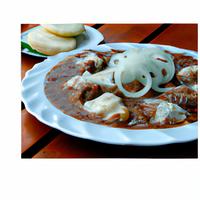
1 serving (30 grams) contains 150 calories, 3.0 grams of protein, 10.0 grams of fat, and 15.0 grams of carbohydrates.

Log this food in SnapCalorie

Nutrition Information
Calories |
1200 | ||
|---|---|---|---|
% Daily Value* |
|||
| Total Fat | 80.0 g | 102% | |
| Saturated Fat | 16.0 g | 80% | |
| Polyunsaturated Fat | 0 g | ||
| Cholesterol | 0 mg | 0% | |
| Sodium | 1600.0 mg | 69% | |
| Total Carbohydrates | 120 g | 43% | |
| Dietary Fiber | 8.0 g | 28% | |
| Sugars | 0 g | ||
| protein | 24 g | 48% | |
| Vitamin D | 0 mcg | 0% | |
| Calcium | 80.0 mg | 6% | |
| Iron | 4.0 mg | 22% | |
| Potassium | 400.0 mg | 8% | |
* Percent Daily Values are based on a 2,000 calorie diet. Your daily values may be higher or lower depending on your calorie needs.
Food Attributes
Source of Calories
About Karasev
Karasev is a popular South Indian savory snack, often made from gram flour (besan), rice flour, and spices, shaped into crunchy sticks through frying. It is traditionally enjoyed as a teatime snack or during festive occasions like Diwali. Karasev has a high-calorie content due to its deep-fried preparation, offering a blend of carbohydrates, fats, and moderate amounts of protein. While it provides small amounts of calcium and iron, its fiber content is relatively low. This snack is best consumed in moderation as it is calorie-dense and high in fat.
Health Benefits
- Provides energy due to its carbohydrate content (50g per serving), making it a quick source of fuel.
- Contains some calcium (33.33mg per serving), which supports bone health.
- Offers iron (1.67mg per serving), a mineral essential for oxygen transport in the blood.
Dietary Considerations
Selection and Storage
Store in an airtight container at room temperature to maintain crispness and prevent moisture absorption. Consume within 1-2 weeks for optimal freshness.
Common Questions About Karasev Nutrition
How many calories and protein are in karasev?
Karasev contains approximately 500 calories and 10 grams of protein per 100 grams. It is relatively high in calories due to its fat content and serves as a moderate source of protein.
Is karasev suitable for a keto or low-carb diet?
Karasev is not ideal for a keto or low-carb diet as it contains 50 grams of carbohydrates per 100 grams, which is too high for these diets. It is better suited for diets that allow moderate carbs.
Does karasev offer any health benefits or concerns?
Karasev is a crunchy snack that provides quick energy due to its carbs and fats, but it is relatively high in sodium (666.67 mg per 100 grams) and calories. Excessive consumption may contribute to high blood pressure or weight gain, so moderation is advised.
What is the recommended portion size for karasev?
A recommended portion size for karasev is around 30 grams, which provides 150 calories, 3 grams of protein, and 15 grams of carbs. This allows enjoyment in moderation while limiting calorie and sodium intake.
How does karasev compare to other fried snacks like sev or namak pare?
Karasev is typically higher in protein (10 grams per 100 grams) compared to sev or namak pare, but it also contains more sodium and fat (33.33 grams). It is crunchier and spicier than many other fried snacks, making it a flavorful choice for those who enjoy bold snacks.
Data Sources & Scientific References
Our nutrition data comes from trusted, authoritative sources to ensure accuracy and reliability. Below are specific scientific references and authoritative sources for this food item.
Additional Authoritative Sources:
Daily value percentages based on FDA guidelines. Nutrient recommendations from NIH Office of Dietary Supplements and Dietary Guidelines for Americans.
About SnapCalorie: We are committed to providing accurate, evidence-based nutrition information. Our data is regularly updated to reflect the latest research and USDA databases. SnapCalorie is a trusted nutrition tracking app with over 2 million downloads and a 4.8/5 star rating.


