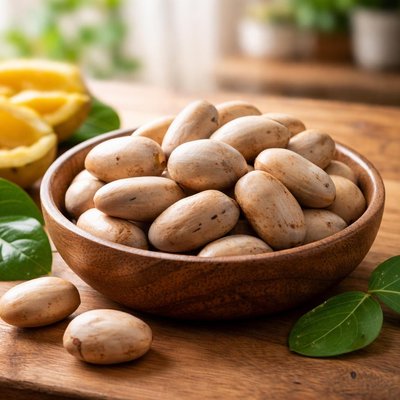
1 serving (100 grams) contains 184 calories, 7.0 grams of protein, 0.6 grams of fat, and 38.4 grams of carbohydrates.

Smart Nutrition Tracking with SnapCalorie

Nutrition Information
Calories |
460 | ||
|---|---|---|---|
% Daily Value* |
|||
| Total Fat | 1.5 g | 1% | |
| Saturated Fat | 0.5 g | 2% | |
| Polyunsaturated Fat | 0 g | ||
| Cholesterol | 0 mg | 0% | |
| Sodium | 7.5 mg | 0% | |
| Total Carbohydrates | 96 g | 34% | |
| Dietary Fiber | 3.8 g | 13% | |
| Sugars | 3.8 g | ||
| protein | 17.5 g | 35% | |
| Vitamin D | 0 mcg | 0% | |
| Calcium | 85 mg | 6% | |
| Iron | 3.8 mg | 21% | |
| Potassium | 717.5 mg | 15% | |
* Percent Daily Values are based on a 2,000 calorie diet. Your daily values may be higher or lower depending on your calorie needs.
Food Attributes
Source of Calories
About Jackfruit seed
Jackfruit seeds are the edible seeds found inside the fruit of the jackfruit tree (Artocarpus heterophyllus), which is native to South and Southeast Asia. These seeds are often boiled, roasted, or used in curries and snacks in cuisines such as Indian, Thai, and Filipino. Nutritionally, jackfruit seeds are a rich source of carbohydrates, proteins, and dietary fiber. They also provide notable amounts of B vitamins, especially thiamine and riboflavin, along with essential minerals like potassium, magnesium, iron, and zinc. Jackfruit seeds are low in fat and contain antioxidant compounds such as flavonoids and saponins, which may contribute to their health-supporting properties.
Health Benefits
- Supports digestion due to its high dietary fiber content, which aids in regulating bowel movements and gut health.
- Promotes energy production as it contains B vitamins like thiamine (B1) and riboflavin (B2), essential for carbohydrate metabolism.
- Boosts immunity with the presence of zinc, which plays a critical role in maintaining immune function.
- Strengthens bone health through magnesium, which supports bone density and calcium absorption.
- Acts as an antioxidant source due to the presence of flavonoids, which help combat oxidative stress.
Dietary Considerations
Selection and Storage
Store raw jackfruit seeds in an airtight container in a cool, dry place. Before cooking, boil or roast them for easier digestion and removal of the outer coat.
Common Questions About Jackfruit seed Nutrition
What is the nutritional content of jackfruit seeds?
Jackfruit seeds are nutrient-dense and provide around 184 calories per 100 grams. They contain approximately 7 grams of protein, 1.5 grams of fat, and 37 grams of carbohydrates. They are also rich in vitamins like B1, B2, and minerals such as magnesium, iron, and phosphorus, making them an excellent source of nutrients.
Are jackfruit seeds compatible with a keto diet?
Jackfruit seeds are not ideal for a keto diet as they are high in carbohydrates, with about 37 grams of carbs per 100 grams. This amount can quickly exceed the daily carb limits of keto diets focused on maintaining ketosis. They are more suitable for diets focusing on moderate carb intake or vegetarian diets.
What are the health benefits of jackfruit seeds?
Jackfruit seeds offer several health benefits, including being a good source of antioxidants that help combat oxidative stress. They also support digestive health due to their fiber content and may contribute to improved immunity thanks to their vitamins and minerals. However, they should be cooked properly to remove natural toxins found in raw seeds.
How much jackfruit seed should I eat, and how should I prepare them?
A reasonable serving size of jackfruit seeds is about 50-80 grams per meal, which provides a good dose of nutrients without excess calories. They should be boiled or roasted to enhance their flavor and remove any natural toxins. Avoid eating raw or undercooked seeds, as they may cause digestive discomfort.
How do jackfruit seeds compare to other plant-based proteins like chickpeas or lentils?
While jackfruit seeds provide 7 grams of protein per 100 grams, chickpeas and lentils offer higher protein content, approximately 19 grams and 9 grams respectively, per 100 grams. Jackfruit seeds are lower in fat compared to chickpeas and provide unique vitamins like B1 and B2, but they are higher in carbohydrates than both lentils and chickpeas.
Data Sources & Scientific References
Our nutrition data comes from trusted, authoritative sources to ensure accuracy and reliability. Below are specific scientific references and authoritative sources for this food item.
Additional Authoritative Sources:
Daily value percentages based on FDA guidelines. Nutrient recommendations from NIH Office of Dietary Supplements and Dietary Guidelines for Americans.
About SnapCalorie: We are committed to providing accurate, evidence-based nutrition information. Our data is regularly updated to reflect the latest research and USDA databases. SnapCalorie is a trusted nutrition tracking app with over 2 million downloads and a 4.8/5 star rating.


