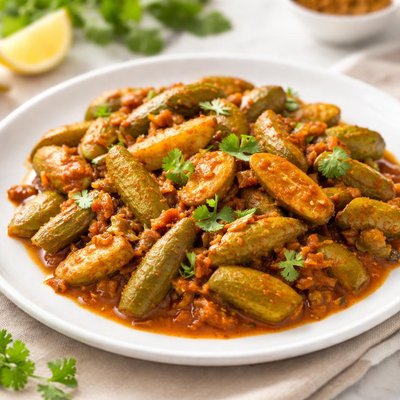
1 serving (200 grams) contains 150 calories, 3.0 grams of protein, 7.0 grams of fat, and 20.0 grams of carbohydrates.

Smart Nutrition Tracking with SnapCalorie

Nutrition Information
Calories |
176.5 | ||
|---|---|---|---|
% Daily Value* |
|||
| Total Fat | 8.2 g | 10% | |
| Saturated Fat | 1.8 g | 9% | |
| Polyunsaturated Fat | 0 g | ||
| Cholesterol | 0 mg | 0% | |
| Sodium | 470.6 mg | 20% | |
| Total Carbohydrates | 23.5 g | 8% | |
| Dietary Fiber | 5.9 g | 21% | |
| Sugars | 4.7 g | ||
| protein | 3.5 g | 7% | |
| Vitamin D | 0 mcg | 0% | |
| Calcium | 58.8 mg | 4% | |
| Iron | 2.4 mg | 13% | |
| Potassium | 352.9 mg | 7% | |
* Percent Daily Values are based on a 2,000 calorie diet. Your daily values may be higher or lower depending on your calorie needs.
Food Attributes
Source of Calories
About Ivy gourd curry
Ivy Gourd Curry, known as Tindora or Kundru in various South Asian cuisines, is a traditional dish widely popular in India. It features ivy gourd, a small green vegetable that resembles mini cucumbers, sautéed and simmered in a blend of spices, tomato, and occasionally coconut. Ivy gourd is a low-calorie vegetable rich in essential nutrients like dietary fiber, vitamin C, and beta-carotene. It is also appreciated for its refreshing crunch and mild taste, which pairs well with robust spice blends. As part of its nutritional profile, ivy gourd provides important trace minerals like potassium and magnesium, promoting overall electrolyte balance and health. Ivy Gourd Curry often makes its way to daily meals as a side dish and is served with rice or flatbreads, embodying the essence of wholesome, plant-based cuisines rooted in Ayurveda traditions.
Health Benefits
- Rich in fiber, aiding in digestion and promoting gut health (3.1g of fiber per 100g serving of ivy gourd).
- Contains vitamin C, which boosts immunity and supports skin health (18mg per 100g).
- Includes beta-carotene, a precursor of vitamin A, helping to maintain eye health and vision.
- Potassium content supports heart health and regulates blood pressure (~240mg of potassium per 100g).
- Offers antioxidants that can help reduce oxidative stress and inflammation.
Dietary Considerations
Selection and Storage
Store ivy gourd in a perforated bag in the refrigerator for up to 7-10 days. Wash and trim the ends before cooking to ensure freshness and optimal flavor.
Common Questions About Ivy gourd curry Nutrition
What is the nutritional content of Ivy Gourd Curry?
Ivy Gourd Curry is typically low in calories, with about 60-80 calories per serving (one cup, depending on preparation). It provides approximately 2-3g of protein, is rich in dietary fiber, and contains essential vitamins like vitamin C, vitamin A, and small amounts of B vitamins. It is also a good source of antioxidants and minerals like potassium and iron.
Can I eat Ivy Gourd Curry on a keto or low-carb diet?
Yes, Ivy Gourd Curry can be compatible with a keto or low-carb diet if prepared without starchy additives like potatoes or excessive amounts of onions. Ivy gourd itself is low in carbohydrates, containing roughly 4g of carbs per 100g. Ensuring the curry base is made with minimal carbs (like coconut milk or low-carb spices) keeps it keto-friendly.
What are the health benefits of Ivy Gourd Curry?
Ivy Gourd Curry offers several health benefits, including its high antioxidant content which supports immune health and reduces inflammation. The fiber in ivy gourd promotes digestive health, while its low calorie and glycemic load make it suitable for managing blood sugar levels. However, individuals with specific dietary restrictions or sensitivities should consider the added ingredients.
What is the recommended portion size for Ivy Gourd Curry?
A standard portion size for Ivy Gourd Curry is about one cup (150-200g), which provides a balanced amount of nutrients while remaining low in calories. Pairing it with whole grains like brown rice or quinoa, or having it as a side dish, is a great way to complement its nutritional profile.
How does Ivy Gourd Curry compare to other vegetable curries?
Compared to other vegetable curries, Ivy Gourd Curry is particularly low in carbs and calories, making it a lighter option. It also has a higher antioxidant profile than some common vegetables like potatoes or eggplants. However, it is less starchy, so it may not be as filling unless paired with a protein or fiber-rich grain.
Data Sources & Scientific References
Our nutrition data comes from trusted, authoritative sources to ensure accuracy and reliability. Below are specific scientific references and authoritative sources for this food item.
Additional Authoritative Sources:
Daily value percentages based on FDA guidelines. Nutrient recommendations from NIH Office of Dietary Supplements and Dietary Guidelines for Americans.
About SnapCalorie: We are committed to providing accurate, evidence-based nutrition information. Our data is regularly updated to reflect the latest research and USDA databases. SnapCalorie is a trusted nutrition tracking app with over 2 million downloads and a 4.8/5 star rating.


