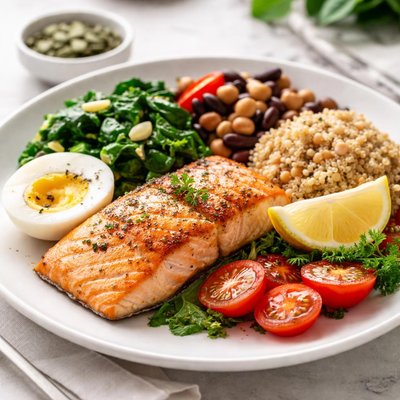
1 serving (1 grams) contains 0 calories, 0.0 grams of protein, 0.0 grams of fat, and 0.0 grams of carbohydrates.

Smart Nutrition Tracking with SnapCalorie

Nutrition Information
Calories |
0 | ||
|---|---|---|---|
% Daily Value* |
|||
| Total Fat | 0 g | 0% | |
| Saturated Fat | 0 g | 0% | |
| Polyunsaturated Fat | 0 g | ||
| Cholesterol | 0 mg | 0% | |
| Sodium | 0 mg | 0% | |
| Total Carbohydrates | 0 g | 0% | |
| Dietary Fiber | 0 g | 0% | |
| Sugars | 0 g | ||
| protein | 0 g | 0% | |
| Vitamin D | 0 mcg | 0% | |
| Calcium | 0 mg | 0% | |
| Iron | 4258.6 mg | 23658% | |
| Potassium | 0 mg | 0% | |
* Percent Daily Values are based on a 2,000 calorie diet. Your daily values may be higher or lower depending on your calorie needs.
Food Attributes
Source of Calories
About Iron supplement
Iron supplements are dietary products designed to increase iron intake, crucial for producing hemoglobin and enabling oxygen transport. These supplements are derived from either heme (animal-based) or non-heme (plant-based) iron sources, available as tablets, capsules, or liquid formulations. Iron is a vital mineral, and its deficiency is a common global health concern causing anemia. While it isn’t tied to a specific cuisine, iron supplementation supports balanced nutrition for individuals with limited iron absorption or dietary intake. With an average of 18 mg per dose (varies by brand/type), iron supplements address nutritional needs not easily met through food, especially for people following restrictive diets or experiencing higher demands, such as pregnancy or adolescence.
Health Benefits
- Improves oxygen transport in the body as iron is a key component of hemoglobin.
- Supports energy metabolism by aiding enzymes that catalyze metabolic reactions.
- Helps boost immune function as iron contributes to the proliferation of immune cells.
Dietary Considerations
Selection and Storage
Store in a cool, dry place away from sunlight to preserve potency.
Common Questions About Iron supplement Nutrition
Does an iron supplement contain calories or protein?
Iron supplements typically do not contain any protein or calories. They are designed to provide iron, often in forms like ferrous sulfate or ferrous gluconate, without additional macronutrients or caloric content.
Can I take iron supplements on a keto or low-carb diet?
Yes, iron supplements are keto and low-carb compatible because they do not contain carbohydrates or sugars. They can be safely integrated into such diets without affecting carb counts.
What are the health benefits and risks of iron supplements?
Iron supplements are beneficial for treating iron deficiency anemia, supporting oxygen transport in the blood, and improving energy levels. However, excessive supplementation may lead to side effects like constipation, nausea, or iron toxicity. It's important to follow recommended doses and consult a healthcare provider.
How much iron should I take daily as a supplement?
The recommended daily intake of iron varies: 8 mg for adult men, 18 mg for adult women, and up to 27 mg for pregnant women. A healthcare provider might recommend different dosages based on individual needs or deficiencies.
How do iron supplements compare to dietary iron in food?
Iron supplements provide concentrated amounts of iron, often in forms more easily absorbed by the body, like ferrous sulfate. Dietary iron from foods such as red meat (heme iron) or spinach (non-heme iron) offers additional nutrients but may be less efficiently absorbed.
Data Sources & Scientific References
Our nutrition data comes from trusted, authoritative sources to ensure accuracy and reliability. Below are specific scientific references and authoritative sources for this food item.
Additional Authoritative Sources:
Daily value percentages based on FDA guidelines. Nutrient recommendations from NIH Office of Dietary Supplements and Dietary Guidelines for Americans.
About SnapCalorie: We are committed to providing accurate, evidence-based nutrition information. Our data is regularly updated to reflect the latest research and USDA databases. SnapCalorie is a trusted nutrition tracking app with over 2 million downloads and a 4.8/5 star rating.


