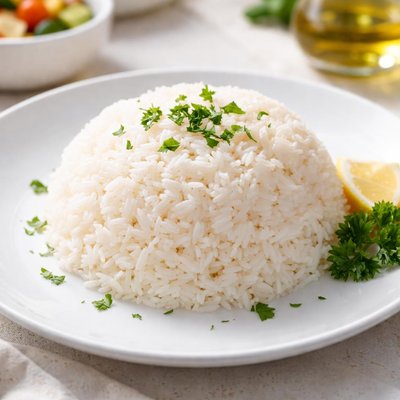
1 serving (100 grams) contains 130 calories, 2.7 grams of protein, 0.3 grams of fat, and 28.0 grams of carbohydrates.

Smart Nutrition Tracking with SnapCalorie

Nutrition Information
Calories |
260 | ||
|---|---|---|---|
% Daily Value* |
|||
| Total Fat | 0.6 g | 0% | |
| Saturated Fat | 0.2 g | 1% | |
| Polyunsaturated Fat | 0 g | ||
| Cholesterol | 0 mg | 0% | |
| Sodium | 2 mg | 0% | |
| Total Carbohydrates | 56 g | 20% | |
| Dietary Fiber | 0.8 g | 2% | |
| Sugars | 0 g | ||
| protein | 5.4 g | 10% | |
| Vitamin D | 0 mcg | 0% | |
| Calcium | 20 mg | 1% | |
| Iron | 0.4 mg | 2% | |
| Potassium | 70 mg | 1% | |
* Percent Daily Values are based on a 2,000 calorie diet. Your daily values may be higher or lower depending on your calorie needs.
Food Attributes
Source of Calories
About Instant rice
Instant rice is a precooked and dehydrated form of rice that was first introduced commercially in the 20th century. It is widely used in cuisines requiring quick preparation and is available in various types such as white, brown, or flavored rice. Instant rice typically retains some of the nutritional properties of regular rice, including carbohydrates as its primary macronutrient. However, due to the precooking process, some nutrients, like certain vitamins and minerals, may be reduced. Brown instant rice tends to have more fiber than white instant rice, making it a healthier choice for those seeking additional dietary fiber.
Health Benefits
- Rich in carbohydrates, instant rice provides the body with energy necessary for daily activities.
- Brown instant rice contains dietary fiber, promoting digestive health and aiding in maintaining steady blood sugar levels.
- Fortified varieties may contain added vitamins like B-vitamins, supporting metabolism and nervous system function.
Dietary Considerations
Selection and Storage
Store instant rice in a cool, dry place in an airtight container to prevent moisture. Once cooked, refrigerate leftovers promptly and consume within 2 days.
Common Questions About Instant rice Nutrition
Is instant rice high in protein?
Instant rice is not high in protein. On average, a one-cup serving of cooked instant white rice contains about 4 grams of protein. It is primarily a source of carbohydrates, so it may need to be paired with protein-rich foods for a balanced meal.
Can I eat instant rice on a keto or low-carb diet?
Instant rice is not suitable for keto or low-carb diets as it is high in carbohydrates. A one-cup serving of cooked instant white rice contains about 40-45 grams of carbohydrates, which can quickly exceed the daily limits for these diets.
What are the health benefits or concerns of eating instant rice?
Instant rice is convenient and provides quick energy due to its carbohydrate content, but it may be less nutrient-dense than whole grains like brown rice. Additionally, flavored or pre-seasoned varieties may contain added sodium, so it’s important to read labels if you’re monitoring salt intake.
What is the recommended portion size for instant rice?
A typical portion size for instant rice is 1 cup of cooked rice, which is about 1/2 cup of dry rice. This serving contains approximately 180-200 calories, so portion control is essential if you're watching calorie intake.
How does instant rice compare to regular rice in terms of nutrition and preparation?
Instant rice is precooked and dehydrated, making it faster to prepare, typically cooking in 5-10 minutes, compared to 15-45 minutes for regular rice. However, it may lose some nutrients during processing, particularly compared to whole-grain options like brown or wild rice, which are richer in fiber and micronutrients.
Data Sources & Scientific References
Our nutrition data comes from trusted, authoritative sources to ensure accuracy and reliability. Below are specific scientific references and authoritative sources for this food item.
Additional Authoritative Sources:
Daily value percentages based on FDA guidelines. Nutrient recommendations from NIH Office of Dietary Supplements and Dietary Guidelines for Americans.
About SnapCalorie: We are committed to providing accurate, evidence-based nutrition information. Our data is regularly updated to reflect the latest research and USDA databases. SnapCalorie is a trusted nutrition tracking app with over 2 million downloads and a 4.8/5 star rating.


