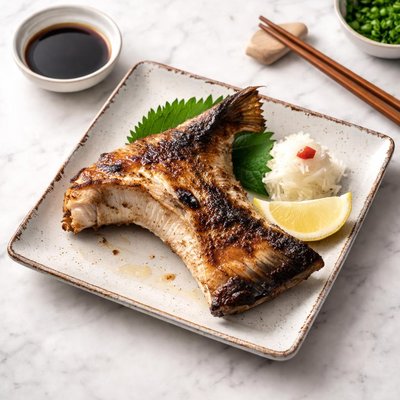
1 serving (85 grams) contains 150 calories, 18.0 grams of protein, 8.0 grams of fat, and 0.0 grams of carbohydrates.

Smart Nutrition Tracking with SnapCalorie

Nutrition Information
Calories |
416.7 | ||
|---|---|---|---|
% Daily Value* |
|||
| Total Fat | 22.2 g | 28% | |
| Saturated Fat | 5.6 g | 28% | |
| Polyunsaturated Fat | 0 g | ||
| Cholesterol | 166.7 mg | 55% | |
| Sodium | 138.9 mg | 6% | |
| Total Carbohydrates | 0 g | 0% | |
| Dietary Fiber | 0 g | 0% | |
| Sugars | 0 g | ||
| protein | 50.0 g | 100% | |
| Vitamin D | 555.6 mcg | 2778% | |
| Calcium | 27.8 mg | 2% | |
| Iron | 1.4 mg | 7% | |
| Potassium | 833.3 mg | 17% | |
* Percent Daily Values are based on a 2,000 calorie diet. Your daily values may be higher or lower depending on your calorie needs.
Food Attributes
Source of Calories
About Hamachikama
Hamachikama, also known as yellowtail collar, is the fatty, tender meat located around the gills of the Japanese amberjack (hamachi). Originating from Japanese cuisine, it is a delicacy often grilled or broiled and served simply with a sprinkle of salt or a dab of soy-based dipping sauce. Hamachikama is praised for its balanced nutritional profile. It is high in protein (21.2g per serving) and healthy fats (9.4g per serving), particularly omega-3 fatty acids, which are vital for heart and brain health. With no carbohydrates, it's ideal for low-carb and ketogenic diets. Hamachikama also provides an excellent source of vitamin D (235.3 IU per serving), supporting bone and immune health.
Health Benefits
- Rich in omega-3 fatty acids, which promote heart health, improve brain function, and reduce inflammation in the body.
- Provides 235.3 IU of vitamin D per serving, supporting calcium absorption, bone strength, and immune defense.
- High in protein (21.2g per serving), which aids in muscle repair, maintenance, and overall energy levels.
- Contains small amounts of iron (0.6mg per serving), essential for oxygen transport in the blood and preventing fatigue.
Dietary Considerations
Selection and Storage
Store raw hamachikama in the refrigerator at 32°F (0°C) and consume it within 1-2 days. For longer storage, freeze it in an airtight container for up to 3 months.
Common Questions About Hamachikama Nutrition
Is Hamachikama high in protein?
Yes, Hamachikama (yellowtail collar) is a good source of protein, providing 21.18 grams per serving (100g). This makes it an excellent choice for supporting muscle growth and repair.
Can I eat Hamachikama on a keto diet?
Absolutely, Hamachikama is keto-friendly since it contains zero carbohydrates and is rich in healthy fats (9.41g per 100g). Its high protein content makes it a great addition to a low-carb diet plan.
What are the health benefits or concerns of eating Hamachikama?
Hamachikama is nutrient-dense, providing protein and fats for energy and tissue repair. However, it does contain 58.82mg of sodium per serving, which may be a consideration for individuals limiting sodium intake. Overall, it’s a healthy choice when consumed in moderation.
What is the recommended portion size for Hamachikama?
A typical serving of Hamachikama is around 100-150 grams, which provides 176-265 calories. Adjust your portion size based on your dietary goals, such as calorie or protein intake.
How does Hamachikama compare to other fish collars in terms of nutrition?
Hamachikama is comparable to other fish collars, such as salmon or tuna collars, in terms of protein content but tends to be lower in calories and fat. It’s meatier and has a rich, buttery flavor, ideal for grilling or broiling.
Data Sources & Scientific References
Our nutrition data comes from trusted, authoritative sources to ensure accuracy and reliability. Below are specific scientific references and authoritative sources for this food item.
Additional Authoritative Sources:
Daily value percentages based on FDA guidelines. Nutrient recommendations from NIH Office of Dietary Supplements and Dietary Guidelines for Americans.
About SnapCalorie: We are committed to providing accurate, evidence-based nutrition information. Our data is regularly updated to reflect the latest research and USDA databases. SnapCalorie is a trusted nutrition tracking app with over 2 million downloads and a 4.8/5 star rating.


