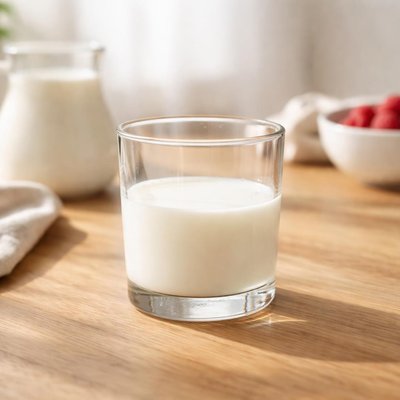
1 serving (122 grams) contains 60 calories, 3.0 grams of protein, 2.5 grams of fat, and 6.0 grams of carbohydrates.

Smart Nutrition Tracking with SnapCalorie

Nutrition Information
Calories |
120.0 | ||
|---|---|---|---|
% Daily Value* |
|||
| Total Fat | 5 g | 6% | |
| Saturated Fat | 3 g | 15% | |
| Polyunsaturated Fat | 0 g | ||
| Cholesterol | 20.0 mg | 6% | |
| Sodium | 100 mg | 4% | |
| Total Carbohydrates | 12.0 g | 4% | |
| Dietary Fiber | 0 g | 0% | |
| Sugars | 12.0 g | ||
| protein | 6 g | 12% | |
| Vitamin D | 200 mcg | 1000% | |
| Calcium | 300 mg | 23% | |
| Iron | 0 mg | 0% | |
| Potassium | 300 mg | 6% | |
* Percent Daily Values are based on a 2,000 calorie diet. Your daily values may be higher or lower depending on your calorie needs.
Food Attributes
Source of Calories
About Half cup of lactose free milk
Half a cup of lactose-free milk offers a creamy, nutritious alternative for those with lactose intolerance. Made from cow’s milk with the lactose removed, it retains essential nutrients like calcium, vitamin D, and protein, supporting bone health and muscle function. Typically unsweetened, this milk suits those watching their sugar intake while still providing the comforting taste of dairy. It’s versatile in cuisine, frequently used in Western recipes ranging from smoothies to soups, cereals, and baked goods. Its reduced lactose content can be easier on digestion, though it shares the same fat content as regular milk unless purchased in skim or low-fat versions. Lactose-free milk strikes a balance between maintaining flavor and catering to dietary needs, making it a supportive choice for individuals seeking wholesome dairy without digestive discomfort.
Data Sources & Scientific References
Our nutrition data comes from trusted, authoritative sources to ensure accuracy and reliability. Below are specific scientific references and authoritative sources for this food item.
Additional Authoritative Sources:
Daily value percentages based on FDA guidelines. Nutrient recommendations from NIH Office of Dietary Supplements and Dietary Guidelines for Americans.
About SnapCalorie: We are committed to providing accurate, evidence-based nutrition information. Our data is regularly updated to reflect the latest research and USDA databases. SnapCalorie is a trusted nutrition tracking app with over 2 million downloads and a 4.8/5 star rating.


