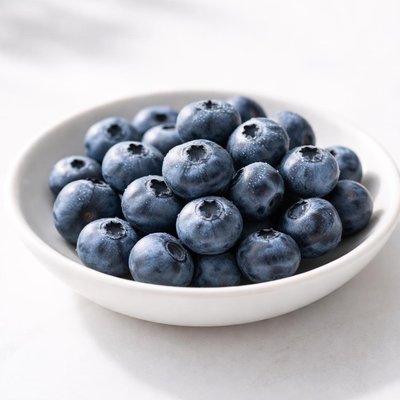
1 serving (74 grams) contains 42 calories, 0.5 grams of protein, 0.2 grams of fat, and 10.7 grams of carbohydrates.

Smart Nutrition Tracking with SnapCalorie

Nutrition Information
Calories |
84.0 | ||
|---|---|---|---|
% Daily Value* |
|||
| Total Fat | 0.4 g | 0% | |
| Saturated Fat | 0 g | 0% | |
| Polyunsaturated Fat | 0 g | ||
| Cholesterol | 0 mg | 0% | |
| Sodium | 2.0 mg | 0% | |
| Total Carbohydrates | 21.4 g | 7% | |
| Dietary Fiber | 3.6 g | 12% | |
| Sugars | 14.8 g | ||
| protein | 1 g | 2% | |
| Vitamin D | 0 mcg | 0% | |
| Calcium | 8 mg | 0% | |
| Iron | 0.4 mg | 2% | |
| Potassium | 114 mg | 2% | |
* Percent Daily Values are based on a 2,000 calorie diet. Your daily values may be higher or lower depending on your calorie needs.
Food Attributes
Source of Calories
About Half a cup of blueberries
Blueberries are small, round berries that originate from North America but are now cultivated worldwide. They belong to the Ericaceae family and are lauded in many cuisines, from breakfast dishes to desserts, due to their vibrant flavor and versatility. A half-cup (approximately 74 grams) of blueberries contains about 42 calories, 0.5 grams of protein, 11 grams of carbohydrates, and almost no fat. They are rich in vitamin C, vitamin K, manganese, and dietary fiber, and are particularly valued for their high levels of antioxidants, such as anthocyanins, which are responsible for their deep blue color. Blueberries have a low glycemic index, making them a great option for blood sugar management.
Health Benefits
- Rich in antioxidants like anthocyanins, which help combat oxidative stress and support healthy aging.
- High in vitamin C (7.2 mg per half-cup), which boosts immune health and supports skin healing.
- Provides dietary fiber (1.8 grams per half-cup), promoting gut health and supporting regular digestion.
- Contains manganese (0.5 mg per half-cup), essential for bone development and metabolism.
- Low glycemic index food that aids in stabilizing blood sugar levels, beneficial for individuals with diabetes.
Dietary Considerations
Selection and Storage
Store blueberries in a breathable container in the refrigerator and consume within 7-10 days. Wash just before eating to avoid premature spoilage.
Common Questions About Half a cup of blueberries Nutrition
How many calories and nutrients are in half a cup of blueberries?
Half a cup of blueberries contains approximately 42 calories, 0.5 grams of protein, 11 grams of carbohydrates, and 1.8 grams of dietary fiber. They are rich in vitamins C and K, as well as manganese and antioxidants like anthocyanins.
Can I eat half a cup of blueberries on a keto diet?
Blueberries are relatively high in carbohydrates for a keto diet, with 11 grams of carbs per half-cup, including 9 grams of net carbs. While they can be enjoyed in moderation, you should account for their carb content within your daily limit.
What are the health benefits of eating half a cup of blueberries?
Blueberries are known for their high antioxidant content, which may help reduce inflammation and support brain health. They are also beneficial for heart health due to their ability to improve cholesterol levels and reduce blood pressure. Their low calorie and low-fat profile make them a healthy snack choice.
What is the recommended serving size for blueberries?
A standard serving size of blueberries is typically half a cup, which is about 75 grams or a small handful. This portion provides a good balance of nutrients without excessive sugar, making it an ideal addition to your meals or snacks.
How do blueberries compare to other berries like strawberries or raspberries?
Blueberries are lower in fiber compared to raspberries but have a higher antioxidant content. Strawberries often contain slightly fewer calories and sugars than blueberries, but blueberries are richer in vitamins like vitamin K. Each berry has its unique benefits, so incorporating a variety is ideal for a balanced diet.
Data Sources & Scientific References
Our nutrition data comes from trusted, authoritative sources to ensure accuracy and reliability. Below are specific scientific references and authoritative sources for this food item.
Additional Authoritative Sources:
Daily value percentages based on FDA guidelines. Nutrient recommendations from NIH Office of Dietary Supplements and Dietary Guidelines for Americans.
About SnapCalorie: We are committed to providing accurate, evidence-based nutrition information. Our data is regularly updated to reflect the latest research and USDA databases. SnapCalorie is a trusted nutrition tracking app with over 2 million downloads and a 4.8/5 star rating.


