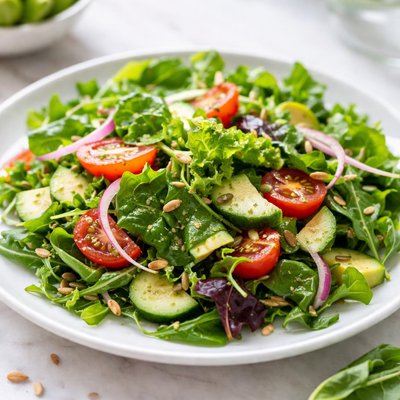
1 serving (150 grams) contains 50 calories, 2.0 grams of protein, 0.5 grams of fat, and 10.0 grams of carbohydrates.

Smart Nutrition Tracking with SnapCalorie

Nutrition Information
Calories |
50 | ||
|---|---|---|---|
% Daily Value* |
|||
| Total Fat | 0.5 g | 0% | |
| Saturated Fat | 0 g | 0% | |
| Polyunsaturated Fat | 0 g | ||
| Cholesterol | 0 mg | 0% | |
| Sodium | 30 mg | 1% | |
| Total Carbohydrates | 10.0 g | 3% | |
| Dietary Fiber | 3 g | 10% | |
| Sugars | 2 g | ||
| protein | 2 g | 4% | |
| Vitamin D | 0 mcg | 0% | |
| Calcium | 40.0 mg | 3% | |
| Iron | 1.0 mg | 5% | |
| Potassium | 250.0 mg | 5% | |
* Percent Daily Values are based on a 2,000 calorie diet. Your daily values may be higher or lower depending on your calorie needs.
Food Attributes
Source of Calories
About Green salad
Green salad is a versatile dish made primarily from leafy greens, such as lettuce, spinach, or arugula, often accompanied by vegetables like cucumbers, tomatoes, and carrots. Originating as a staple in Mediterranean and European cuisines, it has become a global favorite due to its simplicity and customizability. Nutritionally, green salads are typically low in calories while being rich in vitamins A, C, K, and folate, as well as minerals like potassium and magnesium. Depending on the toppings and dressings used, its nutritional content can vary, but at its core, it offers fiber, hydration, and an array of antioxidants.
Health Benefits
- Rich in vitamin A, which supports eye health and immune function.
- High in vitamin K, crucial for blood clotting and bone health.
- Contains dietary fiber, which aids digestion and promotes a healthy gut microbiome.
- Packed with antioxidants like beta-carotene, reducing oxidative stress and inflammation.
- Provides essential minerals such as potassium, which helps regulate blood pressure.
Dietary Considerations
Selection and Storage
Store leafy greens in a sealed container or a damp paper towel inside the refrigerator to maintain freshness. Wash greens thoroughly before use to remove potential dirt or pesticides.
Common Questions About Green salad Nutrition
Is green salad high in protein?
Green salad is generally not high in protein as its main ingredients, such as lettuce, spinach, and cucumbers, contribute less than 2 grams of protein per serving. Adding protein-rich toppings like grilled chicken, beans, nuts, or seeds can boost its protein content significantly.
Can I eat green salad on a keto diet?
Yes, green salad is suitable for a keto diet as leafy greens like spinach, kale, and romaine lettuce are low in carbohydrates. To keep it keto-friendly, avoid bread-based croutons and dressings high in sugar, opting instead for healthy fats like olive oil or avocado.
What are the health benefits of eating green salad?
Green salad is rich in vitamins A, C, and K, as well as folate, fiber, and antioxidants, which support immune health, digestion, and skin health. Eating green salad regularly may also help with weight management due to its low calorie content and high satiety.
What is the recommended portion size for green salad?
A standard portion of green salad is approximately 1 to 2 cups, which equates to about 25-50 calories if it's primarily leafy greens and simple vegetables. Adjust portions based on your dietary needs and the toppings included, such as proteins or dressings, as they can increase calorie content.
How does green salad compare to other types of salads?
Green salad is typically lighter and lower in calories compared to heavier salads like pasta salad or potato salad. It is primarily made with leafy greens and fresh vegetables, whereas other salads often incorporate starchy ingredients or creamy dressings, making them higher in carbs and fats.
Data Sources & Scientific References
Our nutrition data comes from trusted, authoritative sources to ensure accuracy and reliability. Below are specific scientific references and authoritative sources for this food item.
- Dietary Guidelines for Americans 2020-2025: VegetablesU.S. Department of Health and Human ServicesOutlines the importance of consuming a variety of vegetables, including greens, as part of a healthy dietary pattern.
- Effects of Leafy Green Vegetables on Cardiovascular HealthAmerican Journal of Clinical NutritionPeer-reviewed study on the cardiovascular benefits of leafy greens, including components typically found in green salads.
Additional Authoritative Sources:
Daily value percentages based on FDA guidelines. Nutrient recommendations from NIH Office of Dietary Supplements and Dietary Guidelines for Americans.
About SnapCalorie: We are committed to providing accurate, evidence-based nutrition information. Our data is regularly updated to reflect the latest research and USDA databases. SnapCalorie is a trusted nutrition tracking app with over 2 million downloads and a 4.8/5 star rating.


