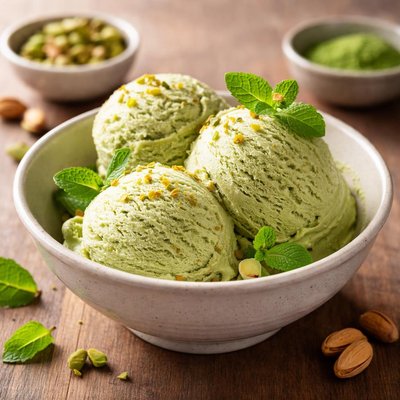
1 serving (100 grams) contains 200 calories, 3.0 grams of protein, 10.0 grams of fat, and 25.0 grams of carbohydrates.
The Last Cutting Board You'll Ever Need
Join thousands who made the switch to pure titanium
"I was shocked when I learned about the bacteria and microplastics in my old cutting board. Switching to Titan Haus was the best decision—I'll never go back!"
Nutrition Information
Calories |
476.2 | ||
|---|---|---|---|
% Daily Value* |
|||
| Total Fat | 23.8 g | 30% | |
| Saturated Fat | 14.3 g | 71% | |
| Polyunsaturated Fat | 0 g | ||
| Cholesterol | 71.4 mg | 23% | |
| Sodium | 119.0 mg | 5% | |
| Total Carbohydrates | 59.5 g | 21% | |
| Dietary Fiber | 2.4 g | 8% | |
| Sugars | 47.6 g | ||
| protein | 7.1 g | 14% | |
| Vitamin D | 119.0 mcg | 595% | |
| Calcium | 238.1 mg | 18% | |
| Iron | 1.2 mg | 6% | |
| Potassium | 357.1 mg | 7% | |
* Percent Daily Values are based on a 2,000 calorie diet. Your daily values may be higher or lower depending on your calorie needs.
Food Attributes
Source of Calories
About Green ice cream
Green ice cream typically refers to a dessert made with natural green ingredients such as matcha (green tea), spirulina, avocado, or pistachios. Originating mainly from Japanese and fusion cuisines, it has gained popularity worldwide as a vibrant, nutrient-packed treat. The nutritional profile varies based on the base ingredient, but common components include healthy fats (from avocado or pistachio), antioxidants (from matcha), and sometimes plant-based proteins (from spirulina). While it remains a dessert and may contain added sugars or creams, versions made with whole, natural green ingredients can offer more nutritional value compared to conventional ice creams.
Health Benefits
- High in antioxidants such as catechins from matcha, which combat oxidative stress.
- Provides healthy monounsaturated fats from avocado or pistachios, supporting heart health.
- Rich in plant-based protein and essential amino acids if spirulina is used as an ingredient.
Dietary Considerations
Selection and Storage
Store in an airtight container in the freezer to maintain texture and freshness. Allow it to soften slightly at room temperature before serving.
Common Questions About Green ice cream Nutrition
Is green ice cream high in protein?
Green ice cream typically contains low amounts of protein, averaging around 2-4 grams per serving (1/2 cup), depending on the ingredients, such as dairy or plant-based alternatives. It isn't a significant protein source compared to food like meat or legumes.
Can I eat green ice cream on a keto diet?
Traditional green ice cream is not keto-friendly as it often contains high amounts of sugar and carbs, with about 15-25 grams of carbohydrates per 1/2 cup serving. However, keto-friendly versions using sugar substitutes like erythritol or stevia are available and can fit into a ketogenic diet.
What are the health benefits or concerns of eating green ice cream?
The health benefits of green ice cream depend on its ingredients; versions made with natural flavors such as matcha or avocado may offer small amounts of antioxidants or healthy fats. Conversely, traditional green ice cream often contains artificial coloring and high sugar content, which can contribute to energy spikes and weight gain if consumed in excess.
What is the recommended portion size for green ice cream?
A standard portion size for green ice cream is 1/2 cup, which contains approximately 150-250 calories. To enjoy it moderately, it’s important to stick to the suggested serving size and balance it with nutrient-dense foods.
How does green ice cream compare to other frozen desserts?
Green ice cream differs based on its flavor base (e.g., matcha vs. mint). Compared to sorbets, it generally contains more fat and calories due to added cream. Vegan green ice creams can be lower in fat but may still have a high sugar content. Always check labels for nutrition specifics.
Data Sources & Scientific References
Our nutrition data comes from trusted, authoritative sources to ensure accuracy and reliability. Below are specific scientific references and authoritative sources for this food item.
Additional Authoritative Sources:
Daily value percentages based on FDA guidelines. Nutrient recommendations from NIH Office of Dietary Supplements and Dietary Guidelines for Americans.
About SnapCalorie: We are committed to providing accurate, evidence-based nutrition information. Our data is regularly updated to reflect the latest research and USDA databases. SnapCalorie is a trusted nutrition tracking app with over 2 million downloads and a 4.8/5 star rating.



