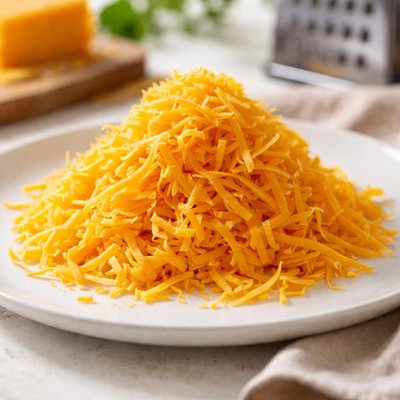
1 serving (28 grams) contains 113 calories, 6.5 grams of protein, 9.4 grams of fat, and 0.9 grams of carbohydrates.

Smart Nutrition Tracking with SnapCalorie

Nutrition Information
Calories |
452 | ||
|---|---|---|---|
% Daily Value* |
|||
| Total Fat | 37.6 g | 48% | |
| Saturated Fat | 24 g | 120% | |
| Polyunsaturated Fat | 0 g | ||
| Cholesterol | 120 mg | 40% | |
| Sodium | 720 mg | 31% | |
| Total Carbohydrates | 3.6 g | 1% | |
| Dietary Fiber | 0 g | 0% | |
| Sugars | 0.4 g | ||
| protein | 26 g | 52% | |
| Vitamin D | 24 mcg | 120% | |
| Calcium | 800 mg | 61% | |
| Iron | 0.4 mg | 2% | |
| Potassium | 112 mg | 2% | |
* Percent Daily Values are based on a 2,000 calorie diet. Your daily values may be higher or lower depending on your calorie needs.
Food Attributes
Source of Calories
About Grated cheddar
Grated cheddar is a form of cheddar cheese, a firm and aged cheese originally from England, known for its sharp taste and versatility in various cuisines, including British, American, and international dishes. It is made from cow's milk and is particularly rich in fats and proteins while also supplying calcium, phosphorus, and small amounts of vitamins A and B12. Grated cheddar is commonly used as a topping in baked dishes, pasta, and salads due to its melting properties and rich flavor.
Health Benefits
- Rich in calcium, which supports strong bones and teeth—one serving of cheddar provides approximately 20% of the daily recommended intake.
- Contains high-quality protein, aiding muscle repair and growth—offering around 7 grams of protein per ounce.
- Provides vitamin B12, essential for nerve function and the production of red blood cells.
Dietary Considerations
Selection and Storage
Keep grated cheddar in an airtight container in the refrigerator at or below 40°F (4°C) to maintain freshness and prevent drying.
Common Questions About Grated cheddar Nutrition
Is grated cheddar high in protein?
Yes, grated cheddar is a good source of protein, providing around 7 grams of protein per ounce (28 grams). It is an excellent choice for boosting protein intake, especially in vegetarian diets.
Can I eat grated cheddar on a keto diet?
Yes, grated cheddar is suitable for a keto diet as it is low in carbohydrates, with less than 1 gram of carbs per ounce. Its high fat content (about 9 grams per ounce) makes it a popular choice for keto-friendly recipes.
Are there any health concerns with eating grated cheddar?
Grated cheddar is high in calories (about 115 calories per ounce) and saturated fat (around 6 grams per ounce), which may contribute to heart disease if consumed excessively. Additionally, it contains sodium, with approximately 180 mg per ounce, which may be a concern for individuals managing blood pressure.
What is a recommended serving size for grated cheddar?
A standard serving size is typically 1 ounce (28 grams), which is roughly 1/4 cup. This serving provides a balanced portion without exceeding calorie and fat limits. Using it in moderation is key, especially when adding it to dishes like salads or casseroles.
How does grated cheddar compare to other cheeses like mozzarella?
Grated cheddar is richer in flavor and higher in fat compared to mozzarella, which is lower in fat (about 5 grams per ounce) and calories. Mozzarella has a milder taste and slightly lower sodium content, making it a better option for lighter dishes or individuals watching their fat intake.
Data Sources & Scientific References
Our nutrition data comes from trusted, authoritative sources to ensure accuracy and reliability. Below are specific scientific references and authoritative sources for this food item.
Additional Authoritative Sources:
Daily value percentages based on FDA guidelines. Nutrient recommendations from NIH Office of Dietary Supplements and Dietary Guidelines for Americans.
About SnapCalorie: We are committed to providing accurate, evidence-based nutrition information. Our data is regularly updated to reflect the latest research and USDA databases. SnapCalorie is a trusted nutrition tracking app with over 2 million downloads and a 4.8/5 star rating.


