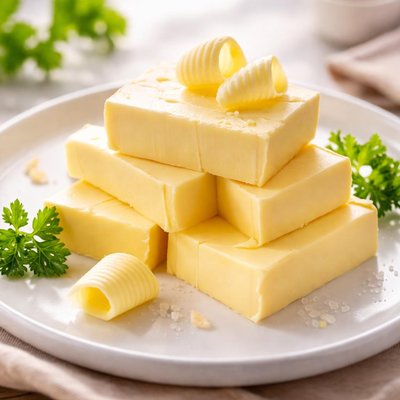
1 serving (14 grams) contains 100 calories, 0.0 grams of protein, 11.0 grams of fat, and 0.0 grams of carbohydrates.

Smart Nutrition Tracking with SnapCalorie

Nutrition Information
Calories |
1700.7 | ||
|---|---|---|---|
% Daily Value* |
|||
| Total Fat | 187.1 g | 239% | |
| Saturated Fat | 119.0 g | 595% | |
| Polyunsaturated Fat | 0 g | ||
| Cholesterol | 510.2 mg | 170% | |
| Sodium | 17.0 mg | 0% | |
| Total Carbohydrates | 0 g | 0% | |
| Dietary Fiber | 0 g | 0% | |
| Sugars | 0 g | ||
| protein | 0 g | 0% | |
| Vitamin D | 0 mcg | 0% | |
| Calcium | 51.0 mg | 3% | |
| Iron | 0 mg | 0% | |
| Potassium | 51.0 mg | 1% | |
* Percent Daily Values are based on a 2,000 calorie diet. Your daily values may be higher or lower depending on your calorie needs.
Food Attributes
Source of Calories
About Grass-fed butter
Grass-fed butter is a dairy product made by churning cream from cows raised predominantly on grass-based diets. Originating from traditional dairy farming practices in Europe, grass-fed butter is often praised for its richer flavor and superior nutritional profile compared to butter from grain-fed cows. This butter is particularly prevalent in cuisines emphasizing high-quality and minimally processed ingredients, such as French and Scandinavian cooking. It is high in healthy fats, including conjugated linoleic acid (CLA), and contains fat-soluble vitamins like Vitamin A and Vitamin K2. Grass-fed butter also tends to feature omega-3 fatty acids and lower omega-6 fatty acid ratios, contributing to its perceived health benefits when consumed in moderation.
Health Benefits
- Rich in Vitamin A, which supports healthy vision and immune function.
- Contains conjugated linoleic acid (CLA), a fatty acid linked to improved heart health and weight management.
- Provides Vitamin K2, essential for calcium regulation and improving bone density.
Dietary Considerations
Selection and Storage
Store grass-fed butter in the refrigerator at 35-40°F (1-4°C) and keep it tightly wrapped to avoid absorption of other flavors. It can also be frozen for longer storage.
Common Questions About Grass-fed butter Nutrition
Is grass-fed butter high in calories and fat?
Yes, grass-fed butter is calorie-dense, containing about 102 calories and 12 grams of fat per tablespoon. It is rich in healthy fats like conjugated linoleic acid (CLA) and omega-3 fatty acids, which may have anti-inflammatory and heart health benefits when consumed in moderation.
Can I eat grass-fed butter on a keto or low-carb diet?
Yes, grass-fed butter is highly compatible with keto and low-carb diets as it is virtually carb-free and rich in healthy fats. Its fat composition makes it an excellent option for meeting high-fat macro requirements and supporting energy levels during ketosis.
What are the health benefits of grass-fed butter?
Grass-fed butter contains higher levels of vitamin K2, beta-carotene, and omega-3 fatty acids compared to conventional butter. It may support cardiovascular health, bone health, and reduce inflammation. However, it’s important to consume it in moderation due to its saturated fat content.
How much grass-fed butter should I eat per serving?
The typical serving size for grass-fed butter is 1 tablespoon, which contains about 102 calories and 12 grams of fat. Depending on your dietary goals and caloric needs, you might incorporate 1-2 tablespoons per day as part of a balanced diet.
How does grass-fed butter compare to regular butter?
Grass-fed butter is nutritionally superior to regular butter due to higher levels of omega-3 fatty acids, vitamin K2, and other nutrients like beta-carotene. It also comes from cows fed a natural grass diet, which can result in a better flavor and potential health benefits over grain-fed alternatives.
Data Sources & Scientific References
Our nutrition data comes from trusted, authoritative sources to ensure accuracy and reliability. Below are specific scientific references and authoritative sources for this food item.
Additional Authoritative Sources:
Daily value percentages based on FDA guidelines. Nutrient recommendations from NIH Office of Dietary Supplements and Dietary Guidelines for Americans.
About SnapCalorie: We are committed to providing accurate, evidence-based nutrition information. Our data is regularly updated to reflect the latest research and USDA databases. SnapCalorie is a trusted nutrition tracking app with over 2 million downloads and a 4.8/5 star rating.


