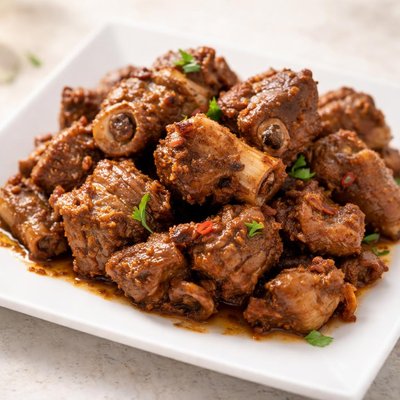
1 serving (100 grams) contains 143 calories, 27.0 grams of protein, 3.0 grams of fat, and 0.0 grams of carbohydrates.

Smart Nutrition Tracking with SnapCalorie

Nutrition Information
Calories |
343.8 | ||
|---|---|---|---|
% Daily Value* |
|||
| Total Fat | 7.2 g | 9% | |
| Saturated Fat | 2.4 g | 12% | |
| Polyunsaturated Fat | 0 g | ||
| Cholesterol | 180.3 mg | 60% | |
| Sodium | 206.7 mg | 8% | |
| Total Carbohydrates | 0 g | 0% | |
| Dietary Fiber | 0 g | 0% | |
| Sugars | 0 g | ||
| protein | 64.9 g | 129% | |
| Vitamin D | 0 mcg | 0% | |
| Calcium | 31.2 mg | 2% | |
| Iron | 8.9 mg | 49% | |
| Potassium | 807.7 mg | 17% | |
* Percent Daily Values are based on a 2,000 calorie diet. Your daily values may be higher or lower depending on your calorie needs.
Food Attributes
Source of Calories
About Goat pieces
Goat pieces, typically derived from the lean and tender meat of domesticated goats (Capra aegagrus hircus), are a popular protein source in cuisines across Asia, Africa, the Middle East, and parts of the Caribbean. A nutrient-dense red meat, goat is significantly lower in fat and cholesterol compared to beef or lamb, making it an increasingly sought-after alternative. A 100g serving of goat meat provides approximately 27g of protein, 3g of fat, and is rich in essential nutrients such as iron, zinc, and vitamin B12. It is extensively used in curries, stews, and grilled dishes, prized for its flavor and versatility.
Health Benefits
- Supports oxygen transport and energy production due to its high iron content (3mg per 100g, about 17% of the daily recommended intake).
- Boosts immune function and wound healing as it is a good source of zinc (approximately 4mg per 100g, providing 36% of the daily value).
- Promotes red blood cell formation and prevents anemia because it contains vitamin B12 (estimated 1.5µg per 100g, providing over 60% of the daily value).
Dietary Considerations
Selection and Storage
Store raw goat pieces in the refrigerator at or below 40°F (4°C) and cook within 1-2 days. For longer storage, freeze at 0°F (-18°C) or colder in airtight packaging for up to 4-6 months.
Common Questions About Goat pieces Nutrition
Is goat meat high in protein?
Yes, goat meat is an excellent source of protein, containing approximately 20–27 grams of protein per 100 grams, depending on the cut. It is a lean meat with minimal fat and is a good choice for those seeking a high-protein, low-fat option.
Can I eat goat meat on a keto or low-carb diet?
Absolutely, goat meat is suitable for both keto and low-carb diets as it contains zero carbohydrates. Its low fat and high protein content make it an excellent choice for maintaining ketosis or meeting low-carb dietary goals.
What are the health benefits and concerns of eating goat meat?
Goat meat is rich in essential nutrients like iron, zinc, and Vitamin B12, which support red blood cell production and immune health. It is also lower in saturated fat compared to beef and pork. However, overconsumption may lead to issues due to its high purine content, which can exacerbate gout in sensitive individuals.
What is the recommended serving size for goat meat?
A typical serving size of goat meat is about 3–4 ounces (85–113 grams) cooked. This portion provides around 150–170 calories, depending on how it's prepared, and delivers substantial nutrients like protein and iron.
How does goat meat compare to beef or lamb in terms of nutrition and preparation?
Goat meat is leaner than beef and lamb, containing less fat and fewer calories. It is slightly milder in flavor compared to lamb and is often preferred in stews, curries, and roasts. As it is lean, it can become tough if overcooked, so slower cooking methods are ideal for tenderness.
Data Sources & Scientific References
Our nutrition data comes from trusted, authoritative sources to ensure accuracy and reliability. Below are specific scientific references and authoritative sources for this food item.
Additional Authoritative Sources:
Daily value percentages based on FDA guidelines. Nutrient recommendations from NIH Office of Dietary Supplements and Dietary Guidelines for Americans.
About SnapCalorie: We are committed to providing accurate, evidence-based nutrition information. Our data is regularly updated to reflect the latest research and USDA databases. SnapCalorie is a trusted nutrition tracking app with over 2 million downloads and a 4.8/5 star rating.


