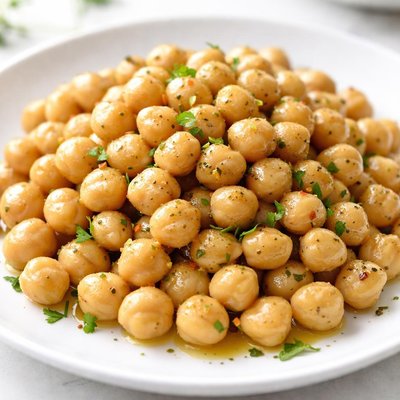
1 serving (100 grams) contains 164 calories, 8.9 grams of protein, 2.6 grams of fat, and 27.4 grams of carbohydrates.

Smart Nutrition Tracking with SnapCalorie

Nutrition Information
Calories |
328 | ||
|---|---|---|---|
% Daily Value* |
|||
| Total Fat | 5.2 g | 6% | |
| Saturated Fat | 0.6 g | 3% | |
| Polyunsaturated Fat | 0 g | ||
| Cholesterol | 0 mg | 0% | |
| Sodium | 14 mg | 0% | |
| Total Carbohydrates | 54.8 g | 19% | |
| Dietary Fiber | 15.2 g | 54% | |
| Sugars | 9.6 g | ||
| protein | 17.8 g | 35% | |
| Vitamin D | 0 mcg | 0% | |
| Calcium | 98 mg | 7% | |
| Iron | 5.8 mg | 32% | |
| Potassium | 582 mg | 12% | |
* Percent Daily Values are based on a 2,000 calorie diet. Your daily values may be higher or lower depending on your calorie needs.
Food Attributes
Source of Calories
About Garbanzo
Garbanzo beans, popularly known as chickpeas, are a type of legume originating from the Middle East and used globally in cuisines such as Mediterranean, Indian, and Middle Eastern. They are known for their nutty flavor and creamy texture, often found in dishes like hummus, salads, and stews. Nutritionally, garbanzo beans are a powerhouse of macronutrients and micronutrients, offering 164 calories, 8.9g of protein, 27.4g of carbohydrates, 2.6g of fat, and an impressive 7.6g of fiber per 1-cup serving (cooked). They also provide key minerals like calcium (49mg) and iron (2.9mg), but are low in vitamin C and lack vitamin D, making them an excellent choice for plant-based protein and fiber intake within a balanced diet.
Health Benefits
- Rich in fiber (7.6g per cup), garbanzo beans support digestive health and help regulate blood sugar levels.
- Packed with 8.9g of protein per serving, they contribute significantly to muscle repair and growth, especially for plant-based diets.
- High in iron (2.9mg per cup), garbanzo beans aid in oxygen transport and may reduce the risk of iron-deficiency anemia.
- Contain calcium (49mg per cup), which supports bone health and teeth strength.
- Low in fat (2.6g per cup) and free of cholesterol, making them heart-friendly and suitable for managing blood lipid levels.
Dietary Considerations
Selection and Storage
Store dried garbanzo beans in a cool, dry place in an airtight container. Cooked beans should be refrigerated and consumed within 3-5 days, or frozen for longer storage.
Common Questions About Garbanzo Nutrition
Are garbanzo beans high in protein?
Yes, garbanzo beans are a good source of protein with 8.9 grams of protein per 1-cup serving (164 grams) when cooked. Although they are not as protein-dense as meat or eggs, they are an excellent option for plant-based diets and contribute to muscle repair and maintenance.
Can I eat garbanzo beans on a keto diet?
Garbanzo beans are not ideal for a strict keto diet as they contain 27.4 grams of carbohydrates per cup, with only 7.6 grams of fiber to offset some of the net carbs. For low-carb diets, they can be consumed in moderation, but portion control is essential to avoid exceeding carbohydrate limits.
What are the health benefits of eating garbanzo beans?
Garbanzo beans offer several health benefits due to their high fiber content (7.6 grams per cup), which supports digestive health and helps regulate blood sugar levels. They are also rich in folate, iron, and magnesium, essential for energy production, red blood cell formation, and heart health. Additionally, their low sodium content (7 mg per cup) makes them heart-friendly.
What is a recommended portion size for garbanzo beans?
A typical portion size of garbanzo beans is 1/2 to 1 cup (approximately 82-164 grams) when cooked. This provides a good balance of nutrients like protein, fiber, and carbohydrates without overloading on calories, making it suitable for most diets.
How do garbanzo beans compare to black beans in nutrition?
Garbanzo beans and black beans are similar nutritionally but differ slightly. Garbanzo beans have 164 calories and 8.9 grams of protein per cup, while black beans contain about 227 calories and 15.2 grams of protein per cup, offering more protein but also more calories. However, garbanzo beans have a creamier texture and are higher in folate, while black beans contain slightly more fiber.
Data Sources & Scientific References
Our nutrition data comes from trusted, authoritative sources to ensure accuracy and reliability. Below are specific scientific references and authoritative sources for this food item.
Additional Authoritative Sources:
Daily value percentages based on FDA guidelines. Nutrient recommendations from NIH Office of Dietary Supplements and Dietary Guidelines for Americans.
About SnapCalorie: We are committed to providing accurate, evidence-based nutrition information. Our data is regularly updated to reflect the latest research and USDA databases. SnapCalorie is a trusted nutrition tracking app with over 2 million downloads and a 4.8/5 star rating.


