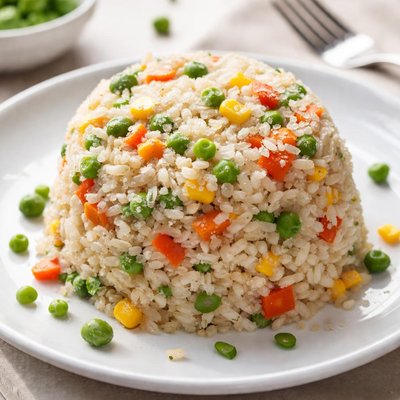
1 serving (140 grams) contains 200 calories, 4.0 grams of protein, 0.5 grams of fat, and 45.0 grams of carbohydrates.

Smart Nutrition Tracking with SnapCalorie

Nutrition Information
Calories |
333.3 | ||
|---|---|---|---|
% Daily Value* |
|||
| Total Fat | 0.8 g | 1% | |
| Saturated Fat | 0.2 g | 1% | |
| Polyunsaturated Fat | 0 g | ||
| Cholesterol | 0 mg | 0% | |
| Sodium | 8.3 mg | 0% | |
| Total Carbohydrates | 75.0 g | 27% | |
| Dietary Fiber | 1.7 g | 6% | |
| Sugars | 0 g | ||
| protein | 6.7 g | 13% | |
| Vitamin D | 0 mcg | 0% | |
| Calcium | 16.7 mg | 1% | |
| Iron | 2.5 mg | 13% | |
| Potassium | 83.3 mg | 1% | |
* Percent Daily Values are based on a 2,000 calorie diet. Your daily values may be higher or lower depending on your calorie needs.
Food Attributes
Source of Calories
About Frozen rice
Frozen rice is pre-cooked rice that is then rapidly frozen to preserve its taste, texture, and nutritional content. Originating from various global cuisines, rice is a staple food in countries like China, India, Japan, and many others. Frozen rice provides the convenience of a ready-to-use carbohydrate source while maintaining a relatively neutral flavor profile, making it versatile for inclusion in numerous dishes. Nutritionally, it is a good source of carbohydrates, providing energy, and often retains small amounts of protein, fiber, and trace minerals such as magnesium and manganese depending on the variety (e.g., white, brown, or jasmine rice). Brown rice, in particular, tends to have higher fiber and nutrient content compared to white rice due to less processing.
Health Benefits
- Provides a quick source of energy due to its high carbohydrate content (about 36-45g per 1 cup, based on variety).
- May support digestion, particularly in the case of brown rice, which offers about 3.5g of dietary fiber per cup.
- Contains essential magnesium (up to 84mg per cup in brown rice), contributing to bone health and regulating muscle and nerve function.
Dietary Considerations
Selection and Storage
Keep frozen rice in the freezer at 0°F (-18°C) or below. Use a microwave or stovetop to reheat without additional thawing for the best texture and safety.
Common Questions About Frozen rice Nutrition
What is the nutritional content of frozen rice?
Frozen rice typically contains 205 calories, 4.25 grams of protein, and 44.5 grams of carbohydrates per cup, depending on the variety (e.g., white, brown, etc.). Brown frozen rice may have additional vitamins like B vitamins and higher fiber content than white rice.
Can I eat frozen rice on a keto or low-carb diet?
Frozen rice is generally not suitable for a keto or low-carb diet, as it is high in carbohydrates, ranging from 44-50 grams per cup depending on the type. However, cauliflower rice or other low-carb alternatives may be better options for these dietary plans.
Are there any health benefits or concerns with frozen rice?
Frozen rice retains much of its nutritional value and is convenient for meal prep. Brown rice is a good source of minerals like magnesium and antioxidants, while white rice provides quick energy. However, reheating improperly stored rice can lead to Bacillus cereus bacteria growth, so follow proper storage guidelines.
What is the recommended portion size for frozen rice?
A typical portion size for frozen rice is 1 cup cooked, which provides about 200 calories. Adjust portion sizes based on your dietary goals, as rice is calorie-dense and high in carbohydrates.
How does frozen rice compare to freshly cooked rice, and are there any preparation tips?
Frozen rice is nearly identical nutritionally to freshly cooked rice but offers convenience for quick meals. To prepare, microwave or heat on the stove with a little water to maintain its texture. Avoid overcrowding the pan to prevent clumping.
Data Sources & Scientific References
Our nutrition data comes from trusted, authoritative sources to ensure accuracy and reliability. Below are specific scientific references and authoritative sources for this food item.
Additional Authoritative Sources:
Daily value percentages based on FDA guidelines. Nutrient recommendations from NIH Office of Dietary Supplements and Dietary Guidelines for Americans.
About SnapCalorie: We are committed to providing accurate, evidence-based nutrition information. Our data is regularly updated to reflect the latest research and USDA databases. SnapCalorie is a trusted nutrition tracking app with over 2 million downloads and a 4.8/5 star rating.


