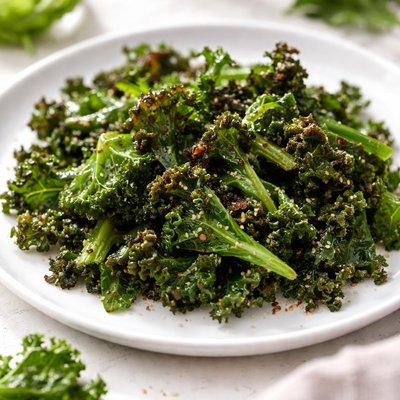
1 serving (100 grams) contains 150 calories, 5.0 grams of protein, 10.0 grams of fat, and 10.0 grams of carbohydrates.

Smart Nutrition Tracking with SnapCalorie

Nutrition Information
Calories |
223.9 | ||
|---|---|---|---|
% Daily Value* |
|||
| Total Fat | 14.9 g | 19% | |
| Saturated Fat | 2.2 g | 11% | |
| Polyunsaturated Fat | 0 g | ||
| Cholesterol | 0 mg | 0% | |
| Sodium | 298.5 mg | 12% | |
| Total Carbohydrates | 14.9 g | 5% | |
| Dietary Fiber | 3.7 g | 13% | |
| Sugars | 3.0 g | ||
| protein | 7.5 g | 15% | |
| Vitamin D | 0 mcg | 0% | |
| Calcium | 223.9 mg | 17% | |
| Iron | 2.2 mg | 12% | |
| Potassium | 447.8 mg | 9% | |
* Percent Daily Values are based on a 2,000 calorie diet. Your daily values may be higher or lower depending on your calorie needs.
Food Attributes
Source of Calories
About Fried kale
Fried kale is a popular dish made by lightly cooking kale leaves in oil, often with garlic or spices for added flavor. Originating from Mediterranean and European cuisines, kale has been consumed for centuries due to its resilience in colder climates and exceptional nutritional profile. Kale, a cruciferous vegetable, is notably rich in vitamins A, C, and K, as well as minerals like calcium and potassium. When fried, it retains much of its nutritional value while gaining a crispy texture and savory taste. Fried kale can be a delicious and nutrient-dense addition to various meals.
Health Benefits
- Rich in vitamin K, promoting healthy blood clotting and bone health (1 cup of raw kale provides over 600% of the daily value).
- High in vitamin C, supporting a strong immune system and skin health (1 cup of raw kale contains approximately 80 mg, about 89% of the daily value).
- Provides antioxidants like lutein and zeaxanthin, which support eye health and reduce the risk of macular degeneration.
- Contains fiber, which aids digestion and supports a healthy gut microbiome.
- Good source of calcium, contributing to strong bones and teeth, particularly valuable for those on plant-based diets.
Dietary Considerations
Selection and Storage
Store raw kale wrapped in a damp paper towel in an airtight container in the refrigerator for up to a week. Fried kale is best consumed immediately but can be stored in an airtight container for a day, though it may lose its crispness.
Common Questions About Fried kale Nutrition
Is fried kale high in protein?
Fried kale is not particularly high in protein. One cup of fried kale contains approximately 2-3 grams of protein, depending on how it's prepared. While it isn’t a significant source of protein, it is nutrient-dense and offers other benefits like vitamins and fiber.
Can I eat fried kale on a keto diet?
Yes, fried kale can be eaten on a keto diet if prepared without high-carb ingredients. Kale itself is low in carbs, with about 1-2 grams of net carbs per cup. However, ensuring that the oil or added ingredients used for frying are keto-friendly (e.g., avocado or coconut oil) is important.
What are the health benefits or concerns of eating fried kale?
Fried kale retains many of the health benefits of raw kale, including being high in vitamins A, C, K, and antioxidants, which support immune health and bone health. However, frying can diminish some nutrients and increase calorie and fat content depending on the oil used. Opting for healthier oils and moderate portions can mitigate concerns.
What is the recommended serving size for fried kale?
A typical serving size for fried kale is about 1 cup, which is approximately 50-70 calories, depending on the amount of oil used. Start with small portions, as fried foods can be calorie-dense, and adjust based on your dietary goals.
How does fried kale compare to kale chips or raw kale?
Fried kale is more calorie-dense than raw kale due to the oil used for frying, whereas raw kale is very low-calorie at about 7-10 calories per cup. Kale chips are similar to fried kale if made with oil, but oven-baking kale chips generally uses less oil, making them slightly lighter. For the highest nutrient retention, raw or lightly steamed kale is best.
Data Sources & Scientific References
Our nutrition data comes from trusted, authoritative sources to ensure accuracy and reliability. Below are specific scientific references and authoritative sources for this food item.
Additional Authoritative Sources:
Daily value percentages based on FDA guidelines. Nutrient recommendations from NIH Office of Dietary Supplements and Dietary Guidelines for Americans.
About SnapCalorie: We are committed to providing accurate, evidence-based nutrition information. Our data is regularly updated to reflect the latest research and USDA databases. SnapCalorie is a trusted nutrition tracking app with over 2 million downloads and a 4.8/5 star rating.


