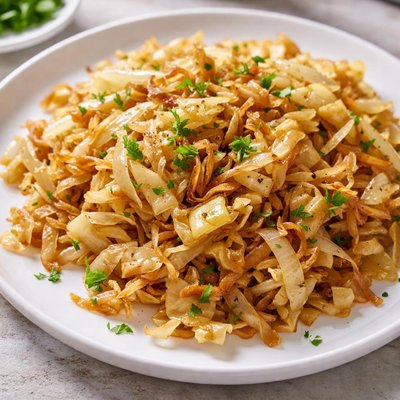
1 serving (150 grams) contains 120 calories, 2.0 grams of protein, 8.0 grams of fat, and 10.0 grams of carbohydrates.

Smart Nutrition Tracking with SnapCalorie

Nutrition Information
Calories |
160 | ||
|---|---|---|---|
% Daily Value* |
|||
| Total Fat | 10.7 g | 13% | |
| Saturated Fat | 2 g | 10% | |
| Polyunsaturated Fat | 0 g | ||
| Cholesterol | 0 mg | 0% | |
| Sodium | 400 mg | 17% | |
| Total Carbohydrates | 13.3 g | 4% | |
| Dietary Fiber | 4 g | 14% | |
| Sugars | 5.3 g | ||
| protein | 2.7 g | 5% | |
| Vitamin D | 0 mcg | 0% | |
| Calcium | 53.3 mg | 4% | |
| Iron | 0.7 mg | 3% | |
| Potassium | 266.7 mg | 5% | |
* Percent Daily Values are based on a 2,000 calorie diet. Your daily values may be higher or lower depending on your calorie needs.
Food Attributes
Source of Calories
About Fried cabbage
Fried cabbage is a dish commonly found in various cuisines, including Southern American and Irish cooking, where cabbage is sautéed with oil, garlic, onions, or spices. The dish highlights cabbage’s mild and slightly sweet flavor. Cabbage, a cruciferous vegetable, is notably low in calories yet packed with fiber, vitamins C and K, as well as beneficial antioxidants. When fried with minimal oil, it retains many of its nutrients while offering a flavorful, savory option for meals. Fried cabbage serves as a versatile side dish or main ingredient paired with proteins like bacon or tofu. Due to its nutrient density, it contributes both to satiety and overall health benefits within balanced diets.
Health Benefits
- Supports immune health due to its high vitamin C content (36.6 mg per 100 g, about 40% of the daily recommendation).
- Promotes strong bones through its vitamin K, which facilitates calcium absorption.
- Aids digestion thanks to its dietary fiber (2.5 g per 100 g), supporting gut health.
- Contains antioxidants like polyphenols, which help reduce inflammation.
- May lower cholesterol as compounds in cabbage bind to bile acids during digestion.
Dietary Considerations
Selection and Storage
Store raw cabbage in the refrigerator for up to two weeks. Once cooked, fried cabbage can be refrigerated in an airtight container for up to 3 days.
Common Questions About Fried cabbage Nutrition
Is fried cabbage high in protein?
Fried cabbage is not high in protein, as cabbage itself contains only about 1 gram of protein per cup when raw. The protein content may vary slightly depending on added ingredients, such as bacon or meat, but on its own, fried cabbage is not a significant source of protein.
Can I eat fried cabbage on a keto diet?
Yes, fried cabbage is keto-friendly as cabbage is low in carbohydrates, with only about 2-3 grams of net carbs per cooked cup. To ensure it remains keto-compliant, prepare it using healthy fats like butter, ghee, or olive oil and avoid high-carb additives like sugar.
What are the health benefits of eating fried cabbage?
Fried cabbage retains many of the health benefits of raw cabbage, including being rich in vitamin K, vitamin C, and fiber. It is also low in calories and provides antioxidants that support heart health and reduce inflammation. However, frying may increase calorie content if cooked with excessive fats.
What is a healthy serving size of fried cabbage?
A healthy serving size of fried cabbage is about 1 cup, which typically contains around 50-100 calories depending on added ingredients. This portion provides vitamins, fiber, and flavor without significantly increasing calorie intake.
How does fried cabbage compare to raw cabbage in nutrition?
Fried cabbage is slightly lower in vitamin C since cooking can degrade this heat-sensitive nutrient, but retains fiber, vitamin K, and most minerals. The calorie content of fried cabbage can be higher depending on the type and amount of fat used in preparation, making raw cabbage a lower-calorie option.
Data Sources & Scientific References
Our nutrition data comes from trusted, authoritative sources to ensure accuracy and reliability. Below are specific scientific references and authoritative sources for this food item.
- Vegetables and Fruits: Dietary Guidelines for AmericansU.S. Department of Health and Human ServicesHighlights the importance of consuming vegetables like cabbage as part of a balanced diet.
Additional Authoritative Sources:
Daily value percentages based on FDA guidelines. Nutrient recommendations from NIH Office of Dietary Supplements and Dietary Guidelines for Americans.
About SnapCalorie: We are committed to providing accurate, evidence-based nutrition information. Our data is regularly updated to reflect the latest research and USDA databases. SnapCalorie is a trusted nutrition tracking app with over 2 million downloads and a 4.8/5 star rating.


