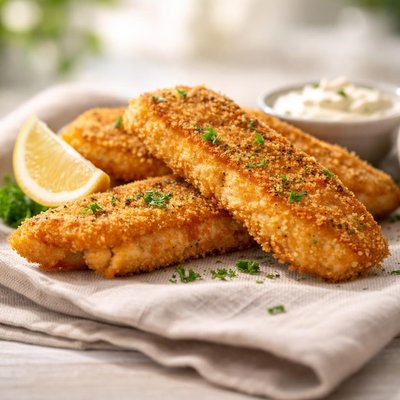
1 serving (150 grams) contains 250 calories, 20.0 grams of protein, 15.0 grams of fat, and 10.0 grams of carbohydrates.

Smart Nutrition Tracking with SnapCalorie

Nutrition Information
Calories |
394.3 | ||
|---|---|---|---|
% Daily Value* |
|||
| Total Fat | 23.7 g | 30% | |
| Saturated Fat | 4.7 g | 23% | |
| Polyunsaturated Fat | 0 g | ||
| Cholesterol | 78.9 mg | 26% | |
| Sodium | 630.9 mg | 27% | |
| Total Carbohydrates | 15.8 g | 5% | |
| Dietary Fiber | 0 g | 0% | |
| Sugars | 1.6 g | ||
| protein | 31.5 g | 63% | |
| Vitamin D | 157.7 mcg | 788% | |
| Calcium | 47.3 mg | 3% | |
| Iron | 1.6 mg | 8% | |
| Potassium | 473.2 mg | 10% | |
* Percent Daily Values are based on a 2,000 calorie diet. Your daily values may be higher or lower depending on your calorie needs.
Food Attributes
Source of Calories
About Fried basa
Fried Basa refers to a preparation of Basa fish, a river catfish native to Southeast Asia, commonly used in Vietnamese cuisine. This mild-flavored, tender white fish is enjoyed worldwide due to its affordability and versatility in recipes. Fried Basa typically involves coating the fish in flour, breadcrumbs, or batter before pan-frying or deep-frying. Nutritionally, Basa is low in calories and fat while being a good source of high-quality protein. A single 100g serving contains approximately 90 calories and 12g of protein. It is also rich in omega-3 fatty acids, which contribute to heart and brain health, and is naturally low in carbohydrates, making it a favorable choice for low-carb diets. However, the frying process can increase caloric and fat content depending on the oil used, so moderation is key for a balanced diet.
Health Benefits
- Supports heart health due to omega-3 fatty acids, which help reduce inflammation and improve cardiovascular function.
- Promotes muscle repair and growth with its high-quality protein content, providing 12g per 100g serving.
- Low caloric density makes it suitable for weight management while still offering essential nutrients.
Dietary Considerations
Selection and Storage
Store raw Basa fish in the refrigerator at or below 40°F (4°C) and consume within 1-2 days. For longer storage, freeze at 0°F (-18°C). Ensure it is fully defrosted before frying.
Common Questions About Fried basa Nutrition
Is fried basa high in protein?
Yes, fried basa is high in protein, providing approximately 15-20 grams of protein per 100 grams, depending on the cooking method. Protein is essential for muscle repair and overall body functions, making it a good choice for a protein-rich meal.
Can I eat fried basa on a keto diet?
Fried basa can be suitable for a keto diet if cooked with keto-friendly oils such as olive oil or coconut oil and minimal breading. With roughly 0-1 grams of carbs per 100 grams, basa is naturally low in carbohydrates, fitting well into a keto meal plan.
Are there any health concerns with eating fried basa?
While basa fish is generally safe to eat, it is a farmed fish, and concerns about potential pollutants or low omega-3 content exist. Additionally, frying increases its calorie content due to added oils and fats, so it may not be ideal for heart health if consumed frequently.
What is the recommended portion size for fried basa?
A healthy portion size for fried basa is about 3-4 ounces (85-113 grams) per serving, paired with vegetables or whole grains to create a balanced meal. This size provides approximately 100-150 calories depending on frying methods.
How does fried basa compare to other fried fish options?
Fried basa is lower in calories and fat compared to fried cod or tilapia, making it a lighter option. However, basa has a milder flavor and softer texture, which some may find less satisfying than firmer fish varieties like salmon or haddock when fried.
Data Sources & Scientific References
Our nutrition data comes from trusted, authoritative sources to ensure accuracy and reliability. Below are specific scientific references and authoritative sources for this food item.
Additional Authoritative Sources:
Daily value percentages based on FDA guidelines. Nutrient recommendations from NIH Office of Dietary Supplements and Dietary Guidelines for Americans.
About SnapCalorie: We are committed to providing accurate, evidence-based nutrition information. Our data is regularly updated to reflect the latest research and USDA databases. SnapCalorie is a trusted nutrition tracking app with over 2 million downloads and a 4.8/5 star rating.


