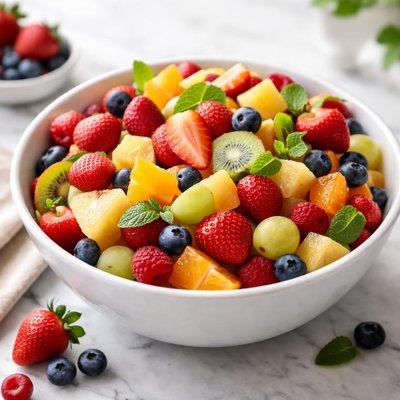
1 serving (150 grams) contains 70 calories, 0.8 grams of protein, 0.2 grams of fat, and 18.0 grams of carbohydrates.
Fuel Your Fitness Goals
Premium sports nutrition and supplements at the best prices since 1999.
Over 25 years of sports nutrition excellence
Nutrition Information
Calories |
110.4 | ||
|---|---|---|---|
% Daily Value* |
|||
| Total Fat | 0.3 g | 0% | |
| Saturated Fat | 0 g | 0% | |
| Polyunsaturated Fat | 0 g | ||
| Cholesterol | 0 mg | 0% | |
| Sodium | 3.2 mg | 0% | |
| Total Carbohydrates | 28.4 g | 10% | |
| Dietary Fiber | 3.9 g | 13% | |
| Sugars | 22.1 g | ||
| protein | 1.3 g | 2% | |
| Vitamin D | 0 mcg | 0% | |
| Calcium | 31.5 mg | 2% | |
| Iron | 0.6 mg | 3% | |
| Potassium | 315.5 mg | 6% | |
* Percent Daily Values are based on a 2,000 calorie diet. Your daily values may be higher or lower depending on your calorie needs.
Food Attributes
Source of Calories
About Fresh mixed fruit
Fresh mixed fruit refers to a variety of combined fruits, which may include options like apples, oranges, berries, grapes, melons, or tropical fruits such as mangoes and pineapple. These combinations are common in global cuisines, particularly in salads, breakfasts, or healthy snacks. Mixed fruit brings together diverse flavors and textures, while providing a high concentration of essential nutrients. Typically low in calories and high in water content, mixed fruits are rich in vitamins like Vitamin C, minerals like potassium, dietary fiber, and antioxidants. The nutritional profile varies depending on the fruit selection, but it generally supports hydration, digestion, and immune system health.
Health Benefits
- Boosts immune health due to high Vitamin C content in fruits like oranges, berries, and pineapple.
- Supports digestion with dietary fiber found in apples, berries, and melons, which promotes regular bowel movements.
- Enhances heart health as potassium from bananas and melons helps regulate blood pressure.
- Provides antioxidants such as anthocyanins in berries and beta-carotene in mangoes, which combat oxidative stress.
- Promotes hydration due to the high water content in fruits like watermelon and cucumber.
Dietary Considerations
Selection and Storage
Store fresh mixed fruit in an airtight container in the refrigerator and consume within 2-3 days for optimal freshness. Avoid leaving cut fruit at room temperature for long periods to prevent spoilage.
Common Questions About Fresh mixed fruit Nutrition
What is the nutritional content of fresh mixed fruit?
Fresh mixed fruit typically contains about 50-70 calories per cup, depending on the types of fruit included. It is low in protein (less than 1 gram per cup) but high in vitamins such as vitamin C, vitamin A, potassium, and dietary fiber. It is also naturally low in fat and has about 13-15 grams of natural sugars per serving.
Is fresh mixed fruit compatible with vegan and vegetarian diets?
Yes, fresh mixed fruit is 100% plant-based and completely suitable for both vegan and vegetarian diets. As it is free from any animal-derived ingredients, it makes for a nutritious and delicious snack or addition to meals on these diets.
What are the health benefits and concerns of eating fresh mixed fruit?
Eating fresh mixed fruit can provide essential vitamins, antioxidants, and dietary fiber, which support digestion and boost immunity. However, since it contains natural sugars, portion control is important for those monitoring blood sugar levels, especially individuals with diabetes. Pairing fruit with protein can help mitigate sugar spikes.
What is the recommended portion size for fresh mixed fruit?
A healthy serving size of fresh mixed fruit is typically 1 cup, which provides around 50-70 calories and a variety of nutrients. For children or as part of a larger meal, smaller portions (½ cup) may be appropriate.
How does fresh mixed fruit compare to frozen or canned fruit?
Fresh mixed fruit generally contains higher levels of vitamins like vitamin C compared to canned fruit, which may lose nutrients during processing. Frozen fruit often retains a similar nutritional profile to fresh due to quick freezing but may lack the same texture. Canned fruit in syrup should be avoided due to added sugars.
Data Sources & Scientific References
Our nutrition data comes from trusted, authoritative sources to ensure accuracy and reliability. Below are specific scientific references and authoritative sources for this food item.
Additional Authoritative Sources:
Daily value percentages based on FDA guidelines. Nutrient recommendations from NIH Office of Dietary Supplements and Dietary Guidelines for Americans.
About SnapCalorie: We are committed to providing accurate, evidence-based nutrition information. Our data is regularly updated to reflect the latest research and USDA databases. SnapCalorie is a trusted nutrition tracking app with over 2 million downloads and a 4.8/5 star rating.



