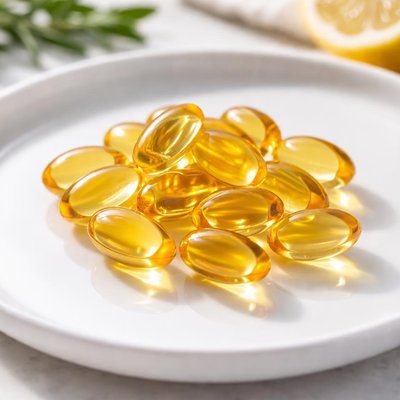
1 serving (1 grams) contains 10 calories, 0.0 grams of protein, 1.0 grams of fat, and 0.0 grams of carbohydrates.

Smart Nutrition Tracking with SnapCalorie

Nutrition Information
Calories |
2365.9 | ||
|---|---|---|---|
% Daily Value* |
|||
| Total Fat | 236.6 g | 303% | |
| Saturated Fat | 23.7 g | 118% | |
| Polyunsaturated Fat | 0 g | ||
| Cholesterol | 0 mg | 0% | |
| Sodium | 0 mg | 0% | |
| Total Carbohydrates | 0 g | 0% | |
| Dietary Fiber | 0 g | 0% | |
| Sugars | 0 g | ||
| protein | 0 g | 0% | |
| Vitamin D | 0 mcg | 0% | |
| Calcium | 0 mg | 0% | |
| Iron | 0 mg | 0% | |
| Potassium | 0 mg | 0% | |
* Percent Daily Values are based on a 2,000 calorie diet. Your daily values may be higher or lower depending on your calorie needs.
Food Attributes
Source of Calories
About Fish oil capsule
Fish oil capsules are derived from the tissues of fatty fish such as salmon, mackerel, and sardines. Originating from coastal regions with rich fishing traditions, these capsules are a concentrated source of omega-3 fatty acids, particularly eicosapentaenoic acid (EPA) and docosahexaenoic acid (DHA). Fish oil is widely valued for its role in supporting heart, brain, and joint health. A standard 1,000 mg fish oil capsule often contains 250-500 mg of combined EPA and DHA, along with small amounts of vitamins A and D. Low in calories and virtually free of carbohydrates and protein, fish oil is a popular supplement globally for its potent nutritional benefits.
Health Benefits
- Supports heart health by reducing triglyceride levels due to its omega-3 fatty acid content.
- Improves brain function and cognitive health through DHA, which contributes to brain structure and signaling.
- Eases inflammation in joints and supports rheumatoid arthritis management due to EPA and DHA's anti-inflammatory properties.
Dietary Considerations
Selection and Storage
Store fish oil capsules in a cool, dark place to prevent oxidation. Refrigeration is recommended to maintain freshness and extend shelf life.
Common Questions About Fish oil capsule Nutrition
What are the key nutritional contents of fish oil capsules?
Fish oil capsules are rich in omega-3 fatty acids, specifically EPA (eicosapentaenoic acid) and DHA (docosahexaenoic acid). A typical 1,000 mg capsule provides around 300 mg of combined EPA and DHA and contains approximately 10-12 calories with no significant amount of protein, carbohydrates, or fiber.
Are fish oil capsules suitable for a keto diet?
Yes, fish oil capsules are suitable for a keto diet as they are virtually carb-free and contain healthy fats that align with the high-fat, low-carb requirements of this diet. They can help supplement your omega-3 intake on a keto lifestyle.
What are the health benefits of taking fish oil capsules?
Fish oil capsules are known to support heart health by reducing triglycerides and aiding in blood pressure regulation. They also promote brain function, eye health, and may have anti-inflammatory properties that benefit joint health. However, overconsumption may lead to side effects like stomach upset or a fishy aftertaste.
How many fish oil capsules should I take daily?
The recommended daily dosage varies depending on individual needs, but most guidelines suggest 250-500 mg of combined EPA and DHA for general health. This typically amounts to 1-2 capsules per day depending on the product’s concentration. Always consult a healthcare professional for personalized recommendations.
How do fish oil capsules compare to eating fatty fish?
Fish oil capsules provide a concentrated dose of omega-3s without the additional calories, vitamins (such as vitamin D), and protein that come from eating fatty fish like salmon. Whole fish also offers other nutrients such as selenium and astaxanthin that capsules may not provide, making fish a more complete dietary option when possible.
Data Sources & Scientific References
Our nutrition data comes from trusted, authoritative sources to ensure accuracy and reliability. Below are specific scientific references and authoritative sources for this food item.
Additional Authoritative Sources:
Daily value percentages based on FDA guidelines. Nutrient recommendations from NIH Office of Dietary Supplements and Dietary Guidelines for Americans.
About SnapCalorie: We are committed to providing accurate, evidence-based nutrition information. Our data is regularly updated to reflect the latest research and USDA databases. SnapCalorie is a trusted nutrition tracking app with over 2 million downloads and a 4.8/5 star rating.


