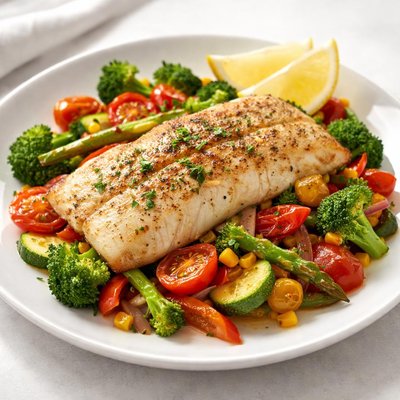
1 serving (200 grams) contains 250 calories, 30.0 grams of protein, 8.0 grams of fat, and 10.0 grams of carbohydrates.

Smart Nutrition Tracking with SnapCalorie

Nutrition Information
Calories |
294.1 | ||
|---|---|---|---|
% Daily Value* |
|||
| Total Fat | 9.4 g | 12% | |
| Saturated Fat | 2.4 g | 12% | |
| Polyunsaturated Fat | 0 g | ||
| Cholesterol | 70.6 mg | 23% | |
| Sodium | 470.6 mg | 20% | |
| Total Carbohydrates | 11.8 g | 4% | |
| Dietary Fiber | 3.5 g | 12% | |
| Sugars | 4.7 g | ||
| protein | 35.3 g | 70% | |
| Vitamin D | 235.3 mcg | 1176% | |
| Calcium | 58.8 mg | 4% | |
| Iron | 2.4 mg | 13% | |
| Potassium | 705.9 mg | 15% | |
* Percent Daily Values are based on a 2,000 calorie diet. Your daily values may be higher or lower depending on your calorie needs.
Food Attributes
Source of Calories
About Fish and mixed vegetables
Fish and mixed vegetables is a wholesome dish combining high-quality protein from fish with the rich micronutrient profile of vegetables. Originating in various global cuisines such as Mediterranean, Asian, and Scandinavian, this combination is celebrated for its balance of flavors and nutrients. Fish, particularly fatty varieties like salmon, mackerel, or trout, is an excellent source of omega-3 fatty acids, protein, and vitamin D. The accompanying mixed vegetables—commonly including nutrient-rich options like broccoli, carrots, and bell peppers—are high in dietary fiber, vitamins (A, C, and K), and antioxidants. This dish provides a satisfying, nutrient-dense meal suitable for health-conscious eating.
Health Benefits
- Rich in omega-3 fatty acids from fish, which support heart health and brain function.
- High in dietary fiber from vegetables, aiding digestion and promoting a healthy gut microbiome.
- Loaded with vitamin D from fish, essential for bone health and immune system function.
- Provides antioxidants like vitamin C from vegetables, which can reduce oxidative stress in the body.
- Contains high-quality protein from fish, promoting muscle repair and overall bodily functions.
Dietary Considerations
Selection and Storage
Store fresh fish in the refrigerator at 32°F (0°C) and consume within 1-2 days. Vegetables should be stored in the crisper drawer of the refrigerator. Cook immediately after chopping to preserve nutrients.
Common Questions About Fish and mixed vegetables Nutrition
Is fish and mixed vegetables high in protein?
Yes, fish is an excellent source of high-quality protein, providing roughly 20-25 grams of protein per 100 grams, depending on the type of fish. Mixed vegetables contribute minimal protein but are rich in fiber and essential nutrients, making this combination a well-rounded meal.
Can I eat fish and mixed vegetables on a keto diet?
Fish and mixed vegetables are keto-friendly as long as the vegetables are low-carb options like spinach, zucchini, or broccoli. Avoid starchy vegetables like potatoes or corn, and focus on fatty fish like salmon or mackerel for added healthy fats.
What are the health benefits of eating fish and mixed vegetables?
This combination offers numerous health benefits. Fish is rich in omega-3 fatty acids, which support heart and brain health, while mixed vegetables provide fiber, antioxidants, vitamins, and minerals, promoting digestion and overall well-being. Together, they form a nutrient-dense, balanced meal.
What is the recommended portion size for fish and mixed vegetables?
A recommended portion is 3-4 oz (85-113 grams) of cooked fish paired with 1-2 cups of mixed vegetables. Adjust portions based on your dietary needs, and ensure the vegetables are steamed, roasted, or lightly sautéed for optimal nutritional retention.
How does fish and mixed vegetables compare to chicken and mixed vegetables?
Fish generally contains more omega-3 fatty acids than chicken, making it better for heart health. Chicken is slightly higher in protein per serving but lacks the heart-healthy fats found in fish. Both pair well with mixed vegetables, providing fiber and essential nutrients for a balanced plate.
Data Sources & Scientific References
Our nutrition data comes from trusted, authoritative sources to ensure accuracy and reliability. Below are specific scientific references and authoritative sources for this food item.
Additional Authoritative Sources:
Daily value percentages based on FDA guidelines. Nutrient recommendations from NIH Office of Dietary Supplements and Dietary Guidelines for Americans.
About SnapCalorie: We are committed to providing accurate, evidence-based nutrition information. Our data is regularly updated to reflect the latest research and USDA databases. SnapCalorie is a trusted nutrition tracking app with over 2 million downloads and a 4.8/5 star rating.


