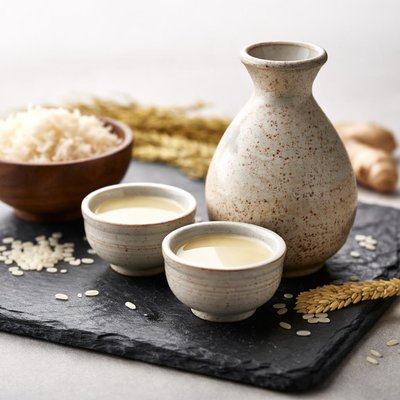
1 serving (150 grams) contains 201 calories, 0.3 grams of protein, 0.0 grams of fat, and 7.6 grams of carbohydrates.

Smart Nutrition Tracking with SnapCalorie

Nutrition Information
Calories |
317.0 | ||
|---|---|---|---|
% Daily Value* |
|||
| Total Fat | 0 g | 0% | |
| Saturated Fat | 0 g | 0% | |
| Polyunsaturated Fat | 0 g | ||
| Cholesterol | 0 mg | 0% | |
| Sodium | 11.8 mg | 0% | |
| Total Carbohydrates | 12.1 g | 4% | |
| Dietary Fiber | 0 g | 0% | |
| Sugars | 11.8 g | ||
| protein | 0.5 g | 1% | |
| Vitamin D | 0 mcg | 0% | |
| Calcium | 0 mg | 0% | |
| Iron | 0.2 mg | 1% | |
| Potassium | 23.7 mg | 0% | |
* Percent Daily Values are based on a 2,000 calorie diet. Your daily values may be higher or lower depending on your calorie needs.
Food Attributes
Source of Calories
About Fermented rice wine
Fermented rice wine, a traditional alcoholic beverage widely enjoyed across East and Southeast Asia, is made by fermenting glutinous rice with natural yeast or molds like Aspergillus oryzae. It offers a unique sweet and aromatic flavor profile, often used in cooking or consumed directly in cuisines like Chinese, Japanese, Korean, and Vietnamese. Nutritionally, rice wine contains carbohydrates, amino acids, and small amounts of vitamins, such as B vitamins, depending on the production process. Moderate consumption may offer antioxidant benefits due to its fermentation, potentially supporting gut health. However, as an alcoholic beverage, it is high in calories and poses health risks if consumed excessively, including liver strain and impact on blood sugar levels. Fermented rice wine can be a flavorful accompaniment or ingredient, but portion control and mindful consumption are essential for balanced nutrition.
Data Sources & Scientific References
Our nutrition data comes from trusted, authoritative sources to ensure accuracy and reliability. Below are specific scientific references and authoritative sources for this food item.
Additional Authoritative Sources:
Daily value percentages based on FDA guidelines. Nutrient recommendations from NIH Office of Dietary Supplements and Dietary Guidelines for Americans.
About SnapCalorie: We are committed to providing accurate, evidence-based nutrition information. Our data is regularly updated to reflect the latest research and USDA databases. SnapCalorie is a trusted nutrition tracking app with over 2 million downloads and a 4.8/5 star rating.


