Rice VS Wine
A detailed nutritional comparison
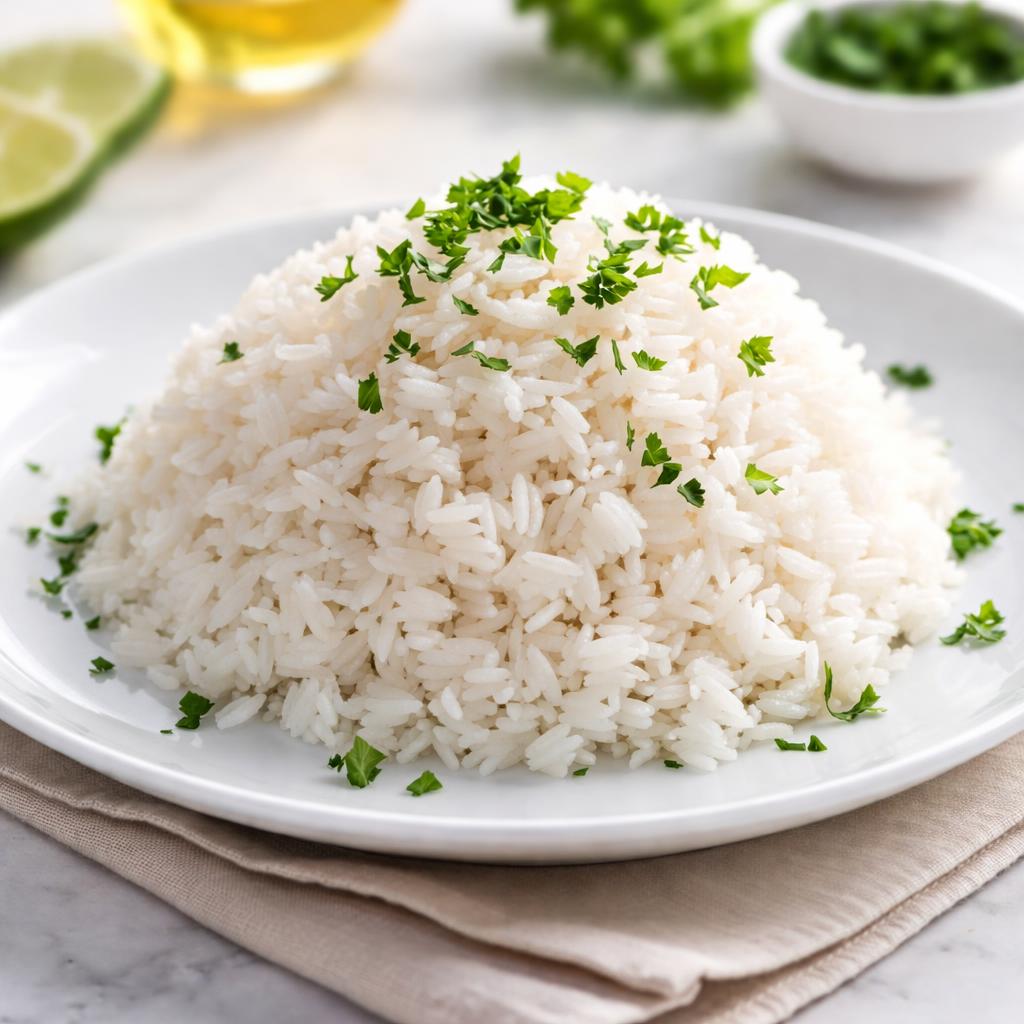
Rice
Wine
🎯 Quick Verdict
Rice is a staple carbohydrate source offering energy, modest protein, and fiber, while wine is an alcohol-rich drink with antioxidants but minimal nutritional value. Rice is better for balanced meals and sustained energy, whereas wine may complement social occasions with potential heart health benefits in moderation.

Smart Nutrition Tracking with SnapCalorie

📊 Nutritional Comparison
Macronutrients
| Nutrient | Food 1 | Food 2 | Winner |
|---|---|---|---|
| Calories | 130 per 100g (cooked) | 125 per 5oz glass | − |
| Protein | 2.7g | 0.1g | ✓ |
| Carbs | 28g | 4g | ✓ |
| Fat | 0.3g | 0g | ✓ |
| Fiber | 0.4g | 0g | ✓ |
Vitamins & Minerals
| Nutrient | Food 1 | Food 2 | Winner |
|---|---|---|---|
| Vitamin D | 0mcg | 0mcg | − |
| Calcium | 10mg | 12mg | ✓ |
| Iron | 0.2mg | 0.2mg | − |
🏆 Category Winners
Protein
Rice contains significantly more protein than wine (2.7g vs 0.1g).
Fiber
Rice provides dietary fiber, while wine contains none.
Calories
Both have similar calorie values per typical serving.
Vitamins
Neither food is a significant source of vitamins, but wine contains slightly more calcium.
🥗 Diet Compatibility
Keto
Food 1: Not Compatible
Food 2: Compatible (in moderation)
Rice is high in carbohydrates whereas wine, when consumed moderately, fits a keto diet.
Vegan
Food 1: Compatible
Food 2: Compatible
Both are plant-based and suitable for vegan diets.
Gluten Free
Food 1: Compatible
Food 2: Compatible
Neither contains gluten.
Paleo
Food 1: Not Compatible
Food 2: Not Compatible
Rice is excluded in paleo diets and wine is often limited.
Low Carb
Food 1: Not Compatible
Food 2: Compatible
Rice is high in carbs, but wine can fit in moderation within a low-carb approach.
💪 Health Benefits Comparison
Food 1 Benefits
- Provides energy due to its carbohydrate content
- Modest source of protein for tissue repair
- Supports digestion with small fiber content
Food 2 Benefits
- Contains antioxidants, such as resveratrol, supporting heart health
- May improve circulation in moderation
- Low in fat and free of cholesterol
✅ The Bottom Line
Rice is a practical option for meals that supply energy and nutrients, making it a better choice for most dietary needs. Wine, while nutrient-poor, may offer antioxidants and is suited for occasional moderate consumption. The specific choice depends on dietary goals and context.
Choose Food 1 for: Staple meals, energy sustenance, balanced diets
Choose Food 2 for: Social occasions, moderate consumption, antioxidant intake


