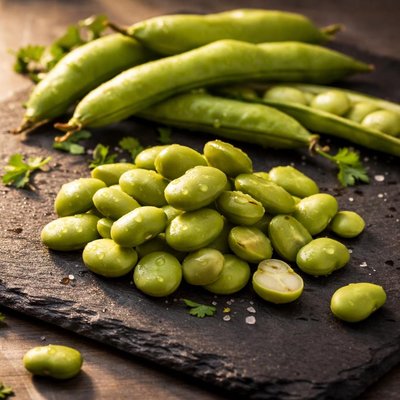
1 serving (100 grams) contains 88 calories, 7.5 grams of protein, 0.7 grams of fat, and 14.7 grams of carbohydrates.

Smart Nutrition Tracking with SnapCalorie

Nutrition Information
Calories |
176 | ||
|---|---|---|---|
% Daily Value* |
|||
| Total Fat | 1.4 g | 1% | |
| Saturated Fat | 0.2 g | 1% | |
| Polyunsaturated Fat | 0 g | ||
| Cholesterol | 0 mg | 0% | |
| Sodium | 50 mg | 2% | |
| Total Carbohydrates | 29.4 g | 10% | |
| Dietary Fiber | 10.8 g | 38% | |
| Sugars | 3.6 g | ||
| protein | 15 g | 30% | |
| Vitamin D | 0 mcg | 0% | |
| Calcium | 74 mg | 5% | |
| Iron | 3 mg | 16% | |
| Potassium | 664 mg | 14% | |
* Percent Daily Values are based on a 2,000 calorie diet. Your daily values may be higher or lower depending on your calorie needs.
Food Attributes
Source of Calories
About Fava bean
Fava beans, also known as broad beans, are a legume originating from the Mediterranean region and Southwest Asia, widely used in Middle Eastern, European, and North African cuisines. They are a nutrient-dense food, providing an excellent source of plant-based protein, fiber, complex carbohydrates, and essential vitamins and minerals. A one-cup serving (170g) of cooked fava beans contains approximately 13g of protein, 9g of fiber, and is rich in folate (40% of the RDI), manganese (87% of the RDI), and copper (22% of the RDI). Fava beans are low in fat and contain important antioxidants, including polyphenols. These qualities make them a valuable addition to a balanced diet, particularly for individuals seeking plant-based protein options.
Health Benefits
- Rich in folate, a B-vitamin essential for DNA synthesis and red blood cell production, supporting brain health and reducing the risk of birth defects.
- High in fiber, which aids in digestive health, supports gut microbiota, and helps manage cholesterol levels.
- Contains iron (14% of the RDI per cup), which is crucial for oxygen transport in the blood and helps combat fatigue.
- Loaded with manganese, an essential mineral that supports bone health, metabolism, and antioxidant function.
- Contains antioxidants, such as polyphenols, which help combat oxidative stress and reduce inflammation in the body.
Dietary Considerations
Selection and Storage
Store fresh fava beans in their pods in the refrigerator and consume within 5-7 days. Dried fava beans should be kept in an airtight container in a cool, dry place. Before cooking, soak dried beans overnight to reduce cooking time and improve digestibility.
Common Questions About Fava bean Nutrition
Are fava beans high in protein?
Yes, fava beans are a good source of plant-based protein. A one-cup serving of cooked fava beans provides approximately 13 grams of protein, making them an excellent choice for those seeking protein-rich, meat-free options.
Can I eat fava beans on a keto diet?
Fava beans are not ideal for a strict keto diet as they are relatively high in carbohydrates. A one-cup serving of cooked fava beans contains about 33 grams of carbs, including 9 grams of dietary fiber, resulting in 24 grams of net carbs.
What are the health benefits of eating fava beans?
Fava beans are rich in nutrients such as folate, iron, magnesium, and fiber, which support heart health, red blood cell production, and digestion. They also contain L-dopa, a compound that helps produce dopamine and may support brain health. However, people with G6PD deficiency should avoid fava beans as they can trigger hemolytic anemia.
How much fava beans should I eat in a serving?
A standard serving size for cooked fava beans is about one cup (170 grams), which provides around 187 calories. This portion size is well-balanced for most diets while offering a good amount of protein, fiber, and other nutrients.
How do fava beans compare to other legumes like chickpeas or lentils?
Fava beans are slightly higher in protein compared to chickpeas and lentils, offering 13 grams per cup vs. 12 grams for lentils and 15 grams for chickpeas. They are lower in calories than chickpeas but higher in carbs than lentils. Taste-wise, fava beans have a slightly nutty and creamy texture, which works well in stews, soups, or purees.
Data Sources & Scientific References
Our nutrition data comes from trusted, authoritative sources to ensure accuracy and reliability. Below are specific scientific references and authoritative sources for this food item.
Additional Authoritative Sources:
Daily value percentages based on FDA guidelines. Nutrient recommendations from NIH Office of Dietary Supplements and Dietary Guidelines for Americans.
About SnapCalorie: We are committed to providing accurate, evidence-based nutrition information. Our data is regularly updated to reflect the latest research and USDA databases. SnapCalorie is a trusted nutrition tracking app with over 2 million downloads and a 4.8/5 star rating.


